
















Volunteer in Belize

 Activities
 Waste Reduction
 Diving
 Diving certificate
 Whale Shark
 Shark Conservation
 Coral Reef
 Ocean Cleaning
 Vegan
Vegan
 Marine Life
 Animal
 PADI Divemaster
 Eagle Ray
Ray Conservation
Eagle Ray
Ray Conservation
 Volleyball
 Marine Conservation
 Environment
 Sea Turtle Conservation
 Green Sea Turtle
 Manatee
 Conservation
Manatee
Manatee Conservation
 Premium
 Beach Cleaning
 Leatherback Turtle
 Hawksbill Turtle




Volunteer Projects and Internships in Belize
Calling all dive fanatics and tropical island lovers: volunteer in Belize — a Caribbean gem of turquoise atolls, lush jungle, Mayan culture, and the world-famous Great Blue Hole. Pack your fins and support marine conservation, help restore reefs, or join agroforestry and community projects on land. From whale shark monitoring to manatee research, there’s a program that matches your skills and timing.
This guide blends practical planning tips with local insights so you can choose the right Belize volunteer program, travel safely, and make a measurable impact. Leave room in your itinerary to explore placid cayes (islands), jungle waterfalls, and barrier reef dives between project days.
- The tallest building in Belize is a Mayan temple.
- There are no McDonald’s, Burger King, Starbucks, or KFC in Belize.
- English is the official language; you’ll also hear Creole, Spanish, Garifuna, and Mayan.
- Belize’s islands are called cayes (≈450 around the coast).
- Belize hosts the Great Blue Hole, the world’s largest marine sinkhole.
🇧🇿️ Why Volunteer in Belize?
Belize offers an irresistible mix of coral atolls, mangrove lagoons, and rainforest — but these ecosystems are vulnerable to overfishing, invasive species, and climate stress. Volunteers help local partners protect reefs and fisheries, strengthen community livelihoods, and build environmental literacy.
- Marine conservation (reef health, invasive species control, fisheries monitoring)
- Species research (whale sharks, manatees, reef fish, corals, invertebrates)
- Agroforestry & sustainable farming (cacao, food forests, soil & water stewardship)
- Community education (ocean literacy, responsible tourism, youth workshops)
🔎 How to Choose the Right Program
- Impact & ethics: Pick locally led projects with transparent goals, data reporting, and safeguarding.
- Skills match: Align with your experience (e.g., diving certifications for reef work; GIS/data for surveys; permaculture for agroforestry).
- Seasonality: Sync with dry/wet seasons, whale shark windows, and reef survey cycles.
- Commitment: For continuity in fieldwork, aim for 2–8+ weeks; advanced survey blocks may require longer.
- Safety & support: Confirm orientation, supervision, emergency protocols, and equipment standards.
🌍 Where to Volunteer in Belize (2026)
Match your interests to Belize’s key hubs and habitats:
- Ambergris Caye (San Pedro) — Reef surveys, lionfish removal, coastal education.
- Caye Caulker — Community and marine projects, snorkel-based monitoring.
- Placencia & Gladden Spit — Whale shark research windows; reef/fish monitoring.
- Turneffe Atoll & Lighthouse Reef — Advanced reef science, restoration outposts, Blue Hole vicinity (project-specific access).
- Dangriga & Hopkins — Community outreach, coastal resilience education, mangrove work.
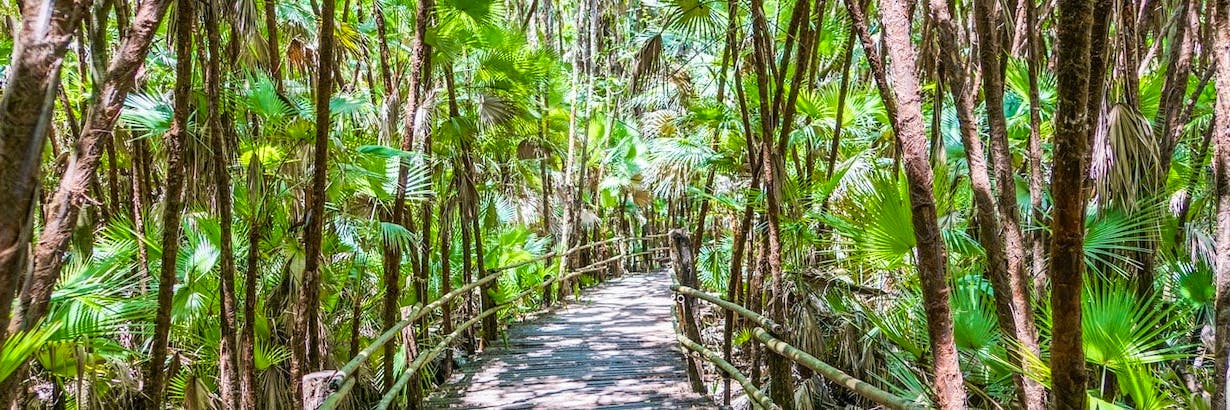
- Cayo District (Belmopan, San Ignacio) — Agroforestry, cacao, watershed & soil conservation, jungle biodiversity.

📅 Best Time to Volunteer in Belize — by Region & Activity
The best time to volunteer in Belize varies by weather and marine/field windows. Dry season (≈ Nov–May) often offers calmer seas and better visibility; wet season (≈ Jun–Oct) can bring rain and swells but also unique survey work. Always confirm dates with your host’s project calendar.
| Region/Hub | Activities | Best Time | Notes & Tips |
|---|---|---|---|
| Ambergris Caye (San Pedro) | Reef surveys, lionfish removal, coastal outreach | Nov–May (dry season) | Typically calmer seas & better viz; lionfish removal and reef health surveys are common. |
| Caye Caulker | Snorkel monitoring, debris cleanups, youth programs | Nov–May; year-round possible | Shallow sites suit snorkel-based monitoring; some projects continue year-round, weather permitting. |
| Placencia & Gladden Spit | Whale shark monitoring, fish counts | ~Mar–Jun (project-specific) | Whale shark sightings typically cluster in late spring; exact windows vary annually and by conditions. |
| Turneffe & Lighthouse Reef | Advanced reef science, restoration, coral assessments | Feb–May; Oct–Dec (variable) | Calmer seas favor multi-day expeditions; access and schedules depend on partner stations. |
| Dangriga & Hopkins | Mangrove & seagrass, coastal resilience education | Nov–May | Dry months support shoreline work and community sessions; some activities continue in wet season. |
| Cayo (Belmopan, San Ignacio) | Agroforestry, cacao, watershed projects | Nov–Apr (field friendly) | Soil work and nursery tasks are easier in drier months; rainforest projects may run year-round. |
Tip: Whale shark, coral spawning, and restoration windows change by year and weather. Ask your host for the latest field plan and pre-departure briefing.
What Do Volunteers Do in Belize?
Whether you’re a diver, an aspiring marine biologist, a data-leaning conservationist, or a sustainability enthusiast on land, Belize has meaningful roles.
- Reef & fish surveys (diving/snorkeling)
- Marine conservation & ocean literacy
- Invasive species control (lionfish removals, data)
- Manatee monitoring & seagrass mapping
- Whale shark observation logistics and photo-ID (project-specific)
- Agroforestry & sustainable farming (cacao, soils, nurseries)
- Community workshops (responsible tourism, plastic reduction, fisheries awareness)
🤿 Marine Conservation in Belize
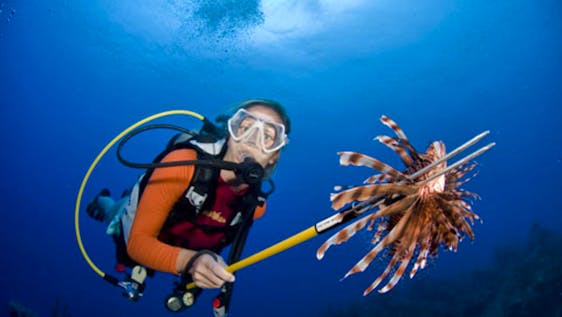
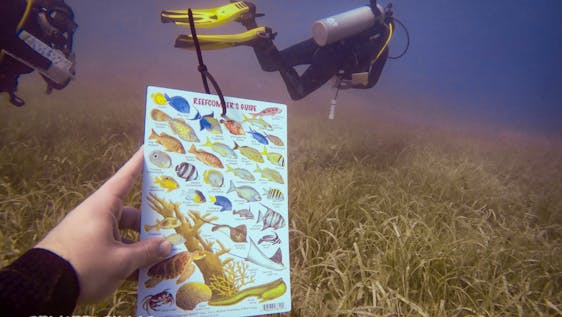
Many programs center on the Belize Barrier Reef. Volunteers help remove invasives like lionfish, survey key species (lobster, conch, reef fish), and track coral health. Expect reef briefings, underwater data collection, and community awareness sessions.
- Observe species and collect standardized data
- Support protection of lobster, queen conch, corals, and reef habitats
- Raise local awareness about overfishing and ecological balance
Diving skills: Required for most reef tasks; many projects offer training or certification add-ons.
🐋 Whale Shark Conservation (Project-Dependent)
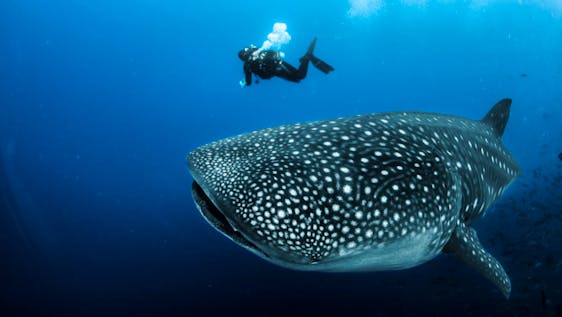
Learn about these gentle giants and help with non-invasive monitoring when conditions allow.
- Collect sighting data and behavior notes
- Assist with photo-ID updates to databases
- Support ocean cleanups and outreach
🫎 Manatee Conservation
Manatees are listed as vulnerable. Volunteers help map seagrass meadows, document sightings, and assess human-wildlife interactions to inform protection measures.
- Record manatee behavior vs. boat traffic and environment
- Explore/map seagrass beds used by manatees and other species
- Survey coral reef habitats and indicator species
🌴 Agroforestry & Sustainable Farming
Prefer to keep it dry? Join agroforestry initiatives in the Cayo District. Learn cacao cultivation, soil regeneration, mulching, and nursery work, while sharing best practices with smallholders.
👩🏽🏫 Teaching & Language Notes
English is the official language, but Creole and Spanish are widely spoken. Teaching-focused roles are fewer than marine roles in Belize; educators often combine environmental education with community workshops rather than formal classroom posts.
📈 Signs of Responsible Impact
- Standardized survey methods and baseline tracking
- Local leadership & partnerships with reserves/NGOs
- Published output metrics (e.g., lionfish removed, transects logged)
- Clear safety briefings and named supervisor
⏱️ Duration & 💸 Costs
Duration: Short stays (1–2 weeks) provide a taste; 2–8+ weeks enhance continuity for monitoring blocks and restoration cycles.
Budget: Suggested daily living budget is US$20–60 (excludes program fees). Most marine projects include shared accommodation and boat fuel in fees; flights, visas, insurance, and dive training are extra.
| Placement Type | Typical Daily Budget* | Key Cost Drivers |
|---|---|---|
| Marine conservation (diving) | US$45–100 | Boats/fuel, DMs/instructors, gear, marine station costs |
| Marine conservation (snorkel) | US$35–80 | Boats, safety staff, snorkel gear, training |
| Agroforestry / community | US$20–50 | Rural housing, local transport, tools & nursery inputs |
*Excludes flights, visas, comprehensive insurance, and optional dive certifications.


💲 Can I Volunteer in Belize for Free?
Most Belize programs charge a fee (housing, boats, fuel, field staff). Use budget filters to find the best fit, and consider crowdfunding, student grants, and alumni discounts.
💡 Good to Know Before You Go
Create an application timeline 6–8 weeks out (vaccinations consult, documents, dive medical if needed). Belizeans are welcoming; dress modestly in towns and be mindful in places of worship. Tipping of ~10% is common with visitors; haggling is mostly limited to markets.
🦺 Is it Safe to Volunteer in Belize?
- Have international travel insurance and copies of key documents.
- Use common sense: avoid isolated areas at night and keep valuables discreet.
- Petty theft can occur in busy areas — mind bags on buses and boats.
- Do not buy/use illegal drugs; avoid hitchhiking.
- Carry a small first-aid kit; share your hike/dive plans with your coordinator.
- Emergency numbers: Police 911; BERT ambulance: 90 or +501 223-3292.
Health Advice
- Avoid drinking tap water; choose bottled/treated water.
- CDC commonly recommends Hepatitis A and Typhoid; discuss malaria precautions if traveling to higher-risk areas.
- Protect against sun and mosquitoes; bring needed prescriptions and a basic kit.
Packing Essentials
- Passport, travel insurance, visas (if required)
- Reef-safe sunscreen, hat, quick-dry clothing
- Waterproof phone case; water shoes for shore entries
- Power adapters (A/B/G), 110/220V, 60Hz
- First-aid & personal meds; quick-dry towel
- Sturdy footwear for trails; lightweight rain layer
🕵🏽♀️ Who Can Volunteer in Belize?
- 18+ years for most projects (some accept 16–17 with consent).
- Basic English is sufficient for most roles.
- Background check and health declaration may be required.
- Dive medical and swim competency for scuba-based roles; certifications may be offered on-site.
❓ How to Volunteer in Belize
- Check fit: Review requirements, tasks, and safety standards (especially for diving).
- Pick location & season: Align with the best-time table and project windows.
- Confirm details in writing: Schedule, training, supervision, and what fees include (boats, meals, gear).
🛂 Do I Need a Visa to Volunteer in Belize?
Entry rules vary. Many nationalities can enter visa-free for short stays; others require a visitor visa in advance. Stays beyond ~1 month typically require an in-country extension at Immigration offices (Belize City, Belmopan, or district offices). Always confirm the latest rules with your coordinator and the nearest Belizean embassy/consulate.
- Passport valid 3–6+ months beyond return; at least two blank pages
- Return/onward ticket and proof of funds
- Transit visa checks for connections
Ready? Compare programs, regions, and dates — then start your Belize volunteer journey with purpose and impact.