












Volunteer Scuba Diving

 Activities
 Waste Reduction
 Coral Reef
 Diving certificate
 Hotspots
 Vegan
Vegan
 Shark Conservation
 Ocean Cleaning
 Marine Conservation
 Environment
 Sea Turtle Conservation
 Ray Conservation
 PADI Divemaster
 Animal
 Marine Life
 Americas
 Central America
 Whale Shark
 Belize
 Plastic Reduction
 Premium
 Beach Cleaning
 Green Sea Turtle
 Asia
Asia
 South East Asia
 Whale Conservation
Eagle Ray
Whale Conservation
Eagle Ray
 Volleyball
 Manta Ray
 Indonesia
 Africa
 Eastern Africa
 Nosy Komba
 Madagascar
 Snorkeling
 Oceania
 Great Barrier Reef
 Australia
 Australia and New Zealand
 Queensland
 Cairns
 Raja Ampat
 Hawksbill Turtle
 Humpback Whale
 Dolphin Conservation
 Grey Reef Shark
 Plant Conservation
Mangrove
Plant Conservation
Mangrove
 Whitetip Reef Shark
 Philippines
 Leatherback Turtle
 Bali
Flatback Turtle
Bali
Flatback Turtle
 Hammerhead Shark
Dwarf Sperm Whale
Hammerhead Shark
Dwarf Sperm Whale
 Bottlenose Dolphin
 South Africa
 Southern Africa
Blue Whale
Southern Africa
Blue Whale
 Common Dolphin
 Panama
 Bocas del Toro
 Great White Shark
Humpback Dolphin
Great White Shark
Humpback Dolphin
 Penguin Conservation
Brydes Whale
Penguin Conservation
Brydes Whale
 Mako Shark
 Southern Right Whale
African Penguin
Southern Right Whale
African Penguin
 Yoga
Yoga
 Blacktip Reef Shark
 Europe
 Southern Europe
 Gili Islands
 Thailand
 Manatee Conservation
Manatee
Manatee Conservation
Manatee
 Surfing
 Ragged Tooth Shark
 Lombok
 Greece
 Mozambique
Devil Ray
Mozambique
Devil Ray
 Sperm Whale
Epaulette Shark
Sperm Whale
Epaulette Shark
 Melanesia
 Fiji
Fiji
 Reforestation
 Spain
Spain
 Barcelona
 Koh Tao
 Lisbon
 Portugal
 Loggerhead Turtle
Spinner Dolphin
Loggerhead Turtle
Spinner Dolphin
 Leopard Shark
 Costa Rica
 Split
Split
 Croatia
 Mexico
 Olive Ridley Turtle
 Shark Tagging
 Grenada
 Caribbean
 Cambodia
 Seychelles
 Safari
Dugong
Safari
Dugong
 Southern Asia
 Maldives
 French Polynesia
 Polynesia




















Volunteer Work for Scuba Divers
🌊 Picture this: you’re gliding through warm, crystal-clear water at sunrise, hearing only your breath as corals, 🐢 turtles, and colorful reef fish wake below you — and every dive you make produces data that enables real ocean protection. Volunteer diving means adventure, science, and impact in one.
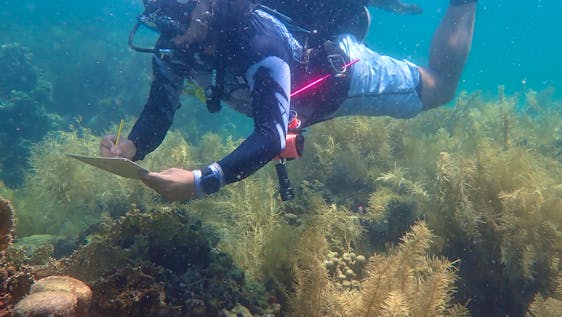
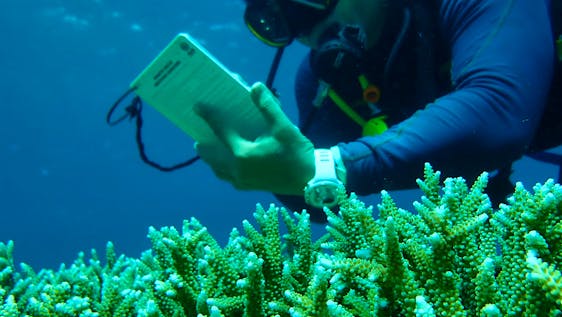
Whether you’re a beginner or already PADI/SSI-certified, marine conservation projects combine training, citizen science, and teamwork underwater. Depending on the placement, you’ll collect data, support coral-reef restoration, organize beach cleanups, assist with shark tagging, or document sightings in whale-shark monitoring. This is how we build the evidence that protection measures rely on. If you want to go deeper long term, map your skill path all the way to Divemaster.
🌐 In project descriptions, look for SDG 14 – Life Below Water and verifiable methods (e.g., Reef Check, CoralWatch). That way your work measurably feeds into global conservation strategies and meets E-E-A-T criteria. US tip: ask whether your project reports into US-facing databases or partner programs (e.g., data summaries for academic credit or letters of recommendation).
🌍 Volunteer diving — benefits, threats & impact
- 🐠 Coral bleaching & heat stress threaten reefs and coastal protection.
- 🦈 Overfishing reduces apex predators and collapses food webs.
- 🪸 Plastic & microplastic burden wildlife, habitats, and coastal economies.
- 🌊 Sea-level rise endangers mangroves and seagrass — our “blue-carbon” stores.
Your contribution: standardized reef surveys, quality assurance, community workshops, and — where possible — active restoration. This closes monitoring gaps and improves management of marine protected areas.
US-specific angle: Many US volunteers use project outputs toward independent study, capstone projects, or service-learning hours. Ask for a post-program data pack (survey logs, methods, site maps) and a supervisor letter referencing your tasks and the protocols you applied.
🪸 Coral reefs — biodiversity hotspots & how volunteers help
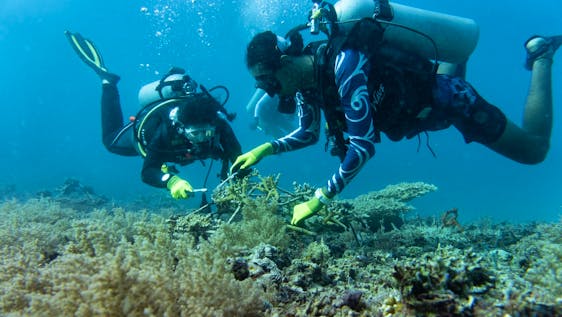
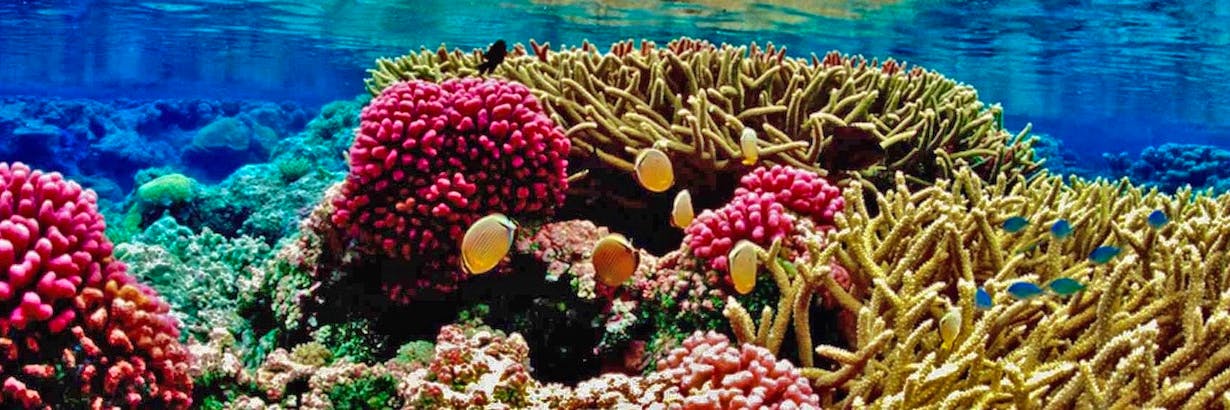
Coral reefs cover <1% of the seafloor yet host ~25% of all marine species. Recent assessments report mass-bleaching events affecting large swaths of major reef systems. This is where volunteer work comes in: coral gardening (growing fragments on lines and later out-planting) or the microfragmentation method, where tiny pieces grow faster. Some projects even deploy 3D-printed reef modules to provide habitat for fish and invertebrates.
Volunteers also document diseases (e.g., white-band), invasive outbreaks (e.g., Crown-of-Thorns), and storm damage — enabling early management action. Every data point increases the chance that reefs persist — as surge buffers and as livelihoods for coastal communities.
US additions you can ask for:
- Dual-unit training: depths in ft/m and gas in psi/bar so your logs stay consistent with US gear.
- QA pipeline: who verifies your data (biologist, dive supervisor), how inter-rater checks are done, and where results are archived.
- Restoration ethics: how genotypes are tracked to avoid monoculture out-plants.
🐢🐋🐠 Flagship species in volunteer diving — why their protection matters
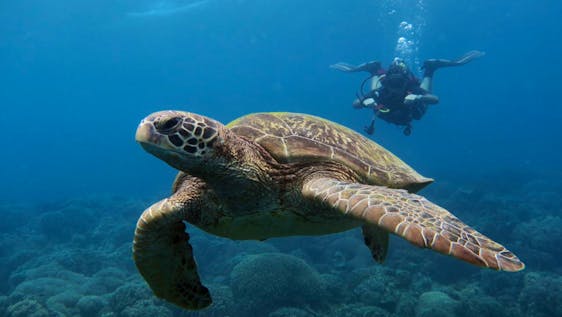
🐢 Sea turtles — globally threatened by bycatch & plastic waste
Sea turtles are globally threatened, especially by net bycatch and plastic pollution. As a volunteer you protect nesting beaches, record hatchlings, and help secure clutches. US tip: If you want to translate skills back home, look at local sea-turtle stranding networks and coastal NGO volunteering.
🐋 Whale sharks — gentle giants & indicators of healthy seas
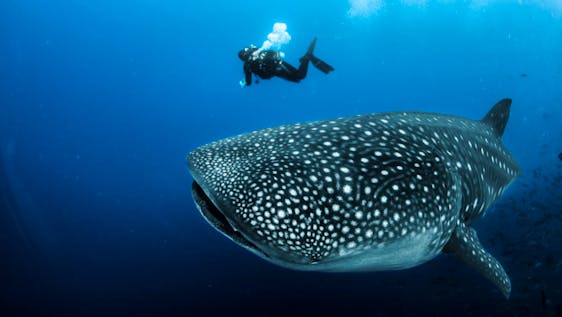
Whale sharks are the largest fish on Earth and key indicators of plankton-rich oceans. In the field you support photo-ID, sighting protocols, and long-term migration studies.
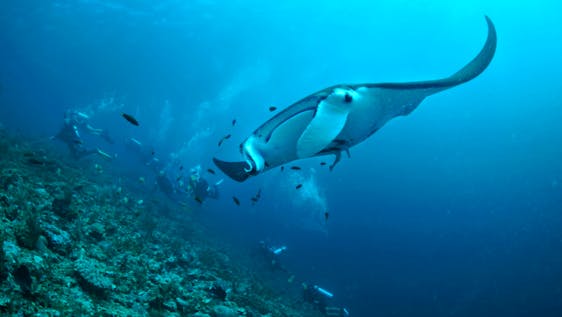
🛸 Manta rays — threatened giants with unique social behavior
Mantas use cleaning stations at reefs and are threatened by overfishing and plastics. Your task: document fin patterns to track individuals and movement corridors.
🦈 Sharks — indispensable apex predators for stable ecosystems
From reef to hammerhead sharks, many species are heavily depleted by overfishing and finning. Projects include logging sightings, analyzing BRUV footage, and building evidence for protection corridors.
🐬 Dolphins — social intelligence & sensitive acoustic worlds
Dolphins communicate with clicks and whistles yet are threatened by underwater noise and bycatch. Volunteers support acoustic monitoring and standardized sighting records for protected-area planning.
🐋 Humpback whales — ocean travelers with songs spanning thousands of miles
Humpbacks migrate up to 10,000 miles (≈ 16,000 km). Citizen-science data feed international migration studies and help secure corridors.
🪸 Coral reefs — biodiversity hotspots & early-warning systems
Reefs host ~25% of marine species while covering only ~1% of ocean area. Your role: document bleaching, out-plant corals, and support restoration.
🌱 Blue-carbon habitats: seagrass, mangroves & kelp forests
Beyond reefs, seagrass meadows, mangroves, and kelp forests are powerful blue-carbon sinks. Per unit area, they can store up to 5× more CO₂ than tropical rainforests. Yet deforestation, coastal build-out, and pollution threaten them.
Volunteer tasks include GPS/drone mapping, planting mangrove seedlings, and monitoring sediment deposition. Especially in Madagascar and Belize, restoring these habitats is a core project component — direct climate impact while securing nurseries for fish, crabs, and turtles. US tip: if you’re West-Coast-based, you can later apply kelp/urchin monitoring skills with local dive clubs and coastal partners.
📍 Top destinations for volunteer diving & marine conservation
Selected for biodiversity, learning curve, logistics, and community impact.
| 🌍 Destination | 📅 Best season | 🔎 Project focus | 🎯 Level | 🐠 Highlights |
|---|---|---|---|---|
| 🇧🇿 Belize | Dec – May | Reef/seagrass monitoring, 🐢 turtles | Beginner+ | Caribbean vibe, whale-shark season |
| 🇵🇭 Philippines | Feb – Jun | Whale-shark/manta photo-ID, reef surveys | Open Water+ | Apo Reef, Tubbataha |
| 🇦🇺 Australia | Jun – Nov | Coral restoration, invasive species | Advanced+ | Great Barrier Reef (spawning) |
| 🇲🇾 Malaysia | Mar – Oct | Coral/anemone surveys | Beginner | Perhentian Islands |
| 🇹🇭 Thailand | Nov – Apr | Reef protection, monitoring | All levels | Andaman Sea |
| 🇮🇩 Indonesia | Oct – Apr | Biodiversity, community education | Advanced | Raja Ampat |
| 🇲🇽 Mexico | Nov – Jun | Caribbean reefs, cenotes | Beginner+ | Whale-shark season, Yucatán |
| 🇨🇷 Costa Rica | Nov – Jun | Sea turtles, mangroves & reefs | Beginner+ | Pacific & Caribbean |
| 🇫🇯 Fiji | May – Oct | Shark research, reef surveys | Open Water+ | Soft Coral Capital |
| 🇲🇬 Madagascar | Apr – Oct | Seagrass/mangroves, reef surveys | All levels | Whale season + remote reefs |
| 🇿🇦 South Africa | Apr – Sep | Species inventories, reef research | Beginner+ | Sodwana Bay, big fish |









US logistics add-ons: check passport validity (6-month rule), consider Global Entry/TSA PreCheck, notify your bank for foreign transactions, and carry a backup no-FX-fee card.
🌊 Special reefs & signature spots
- 🇦🇺 Great Barrier Reef — coral spawning (Oct/Nov), night dives with spawn events.
- 🇮🇩 Raja Ampat — the world’s highest species richness; manta cleaning stations.
- 🇧🇿 Belize Barrier Reef — whale-shark season (Mar–Jun) at Gladden Spit.
- 🇿🇦 Sodwana Bay — whale-shark & dolphin encounters; hard-coral reefs.
- 🇲🇽 Yucatán & cenotes — Caribbean meets freshwater caves (Advanced).
- 🇲🇬 Madagascar — whale season Jul–Sep.
- 🇨🇷 Costa Rica — Pacific + Caribbean variety.
- 🇫🇯 Fiji — “Soft Coral Capital.”
- 🇵🇭 Philippines — whale-shark hotspots, Apo Reef.
- 🇲🇿 Mozambique — manta and shark paradise.
Pro tip: Many signature spots run “Citizen Science Weeks” with extra survey effort — ask about them! For peak events (spawning, whale migrations), lock in dates early.
🔧 Project types in marine conservation for divers
The key project types for volunteer diving with typical tasks & impact:
| Project type | Core tasks | Your impact | Best for |
|---|---|---|---|
| Reef monitoring & restoration | Transects, photo-transects, out-planting | Rebuild degraded reefs | Beginner – Advanced |
| Megafauna/shark research | Sighting logs, photo-ID | Evidence for protection corridors | Advanced |
| Seagrass & mangroves | Plots, seedlings, sediment checks | Coastal defense & blue carbon | All levels |
| Education & community | Workshops, environmental education | Awareness & behavior change | Communicative all-rounders |
| Cleanups & citizen science | Collect, sort, record | Less trash, policy relevance | All levels |
US career bridge: ask for a supervisor to sign off task lists, hours, and methods (useful for college credit evaluation or adding to a CV/LinkedIn with skills like “BRUV analysis,” “eDNA field sampling,” “Reef Check belt transects”).
🧪 Field methods for volunteers: from line transects to eDNA
| Method | Procedure | Equipment | Scientific value | Volunteer role | Pro tip |
|---|---|---|---|---|---|
| Line transect | Lay a 20–30 m (65–100 ft) line along the reef | Measuring tape, buoys | Quantify diversity & cover | Count species; log results | Calm breathing; steady pace |
| Photo-transect | Photos at fixed intervals | Camera, markers | Visual evidence for AI analyses | Operate camera; catalog data | Red filter at 10–15 m (33–50 ft) |
| BRUV | Place baited camera for ~60 min | Frame, GoPro, bait | Fish diversity & behavior | Set up, secure, retrieve | New moon often = more activity |
| Manta/whale-shark photo-ID | Photograph belly/fin patterns | Camera | Individual catalogs & migration | Shoot; upload; label | Polarizing filter reduces glare |
| eDNA sampling | Collect & filter water samples | Bottles, filters | Detect rare/cryptic species | Sample; label; log | Morning: higher DNA concentration |
Add-ons you can request: inter-observer calibration sessions; mock surveys for practice; and short modules on data management (file naming, GPS time-sync, metadata standards).
📊 From your data to a protected area
- 📥 Upload: review data after each dive & enter into databases.
- 🧪 Quality assurance: buddy double-check; scientist review.
- 🌍 Use: NGO reports, ReefBase/OBIS entries, national authorities.
- 📢 Transparency: many projects publish open impact reports.
Example: In Costa Rica, turtle data feed the national nesting-beach monitoring program — a basis for protection laws.
US academic pathway: ask for a final project methods & outcomes letter, signed hours, and a data summary. These help with internship credit reviews or demonstrating research experience for grad-school applications.
🎓 Training & certifications (PADI/SSI) & skill pathways
- No cert yet? Many projects include PADI/SSI Open Water in onboarding.
- Level-ups: Advanced/Nitrox, Rescue — depending on project tasks.
- Practice plus: scientific protocols & field data management.
- US gear familiarity: briefings in feet/psi as well as meters/bar; SMB and surface signaling practice common on US boats.
- Beginner path: snorkeling → Open Water → simple reef surveys.
- Advanced path: Advanced + Nitrox → BRUV assistant → data QA.
- Pro track: Rescue/Divemaster → team lead → method training (Divemaster).
Pro tip: On longer stays, specialty add-ons (e.g., Nitrox) are sometimes included — ask! If you’re aiming for scientific-diver qualifications later, keep a tidy logbook with methods per dive.
👩🏫 Who trains you
Unlike a resort course, you’ll be trained by real experts:
- 🌐 Marine biologists (coral bleaching, megafauna ecology)
- 🤿 PADI/SSI instructors with scientific-diving background
- 👩🏫 Community liaisons for school programs & workshops
Pro tip: Ask for publications or datasets where volunteers are credited by name — great for your résumé. Request a short skills-assessment at the end (useful for future references).
🛡️ Health & safety in volunteer diving
- 🩺 Medical statement recommended/required
- 🛟 Insurance: travel health & dive insurance (many US divers use DAN)
- 📋 Briefings: buddy checks; conservative limits
- 🌊 Emergencies: evacuation plans & partner clinics
- 🧭 Navigation & surface safety: SMB deployment and boat-pick-up protocols (standard on US boats)
| Risk | Early warning sign | Response | Volunteer role |
|---|---|---|---|
| Decompression problems | Dizziness, joint pain | Controlled ascent; hyperbaric chamber if needed | Report symptoms; provide first aid |
| Strong current | Off-shore drift | Deploy SMB; abort dive | Stay calm; keep your buddy close |
| Marine life | Fire coral/stingray | Rinse; seek medical care if needed | Maintain distance; follow no-touch |
Pro tip: Bring your own regulator mouthpiece — more hygienic & comfy for long stays. Check TSA guidance for carrying regs/computers in hand luggage.
📅 Best time for volunteer diving by country
The best season varies by region. Use this overview for visibility, water temperature & wildlife encounters.
| 🌍 Country | Optimal months | 🌊 Water temperature | 🐠 Highlights |
|---|---|---|---|
| 🇧🇿 Belize | Dec – May | 26–29 °C (79–84 °F) | Whale sharks Mar–Jun |
| 🇵🇭 Philippines | Feb – Jun | 27–30 °C (81–86 °F) | Whale sharks; stable viz |
| 🇦🇺 Australia | Jun – Nov | 24–28 °C (75–82 °F) | Coral spawning |
| 🇲🇾 Malaysia | Mar – Oct | 28–30 °C (82–86 °F) | Turtles |
| 🇹🇭 Thailand | Nov – Apr | 27–30 °C (81–86 °F) | Mantas & whale sharks |
| 🇮🇩 Indonesia | Oct – Apr | 27–29 °C (81–84 °F) | Manta season |
| 🇲🇽 Mexico | Nov – Jun | 26–29 °C (79–84 °F) | Whale sharks May–Sep |
| 🇨🇷 Costa Rica | Nov – Jun | 26–28 °C (79–82 °F) | Turtles Feb–May |
| 🇫🇯 Fiji | May – Oct | 24–27 °C (75–81 °F) | Sharks |
| 🇲🇬 Madagascar | Apr – Oct | 24–27 °C (75–81 °F) | Whales Jul–Sep |
| 🇿🇦 South Africa | Apr – Sep | 21–25 °C (70–77 °F) | Sardine Run (regional) |
Booking tip for US travelers: line up travel-clinic visits 6–8 weeks ahead; compare multi-trip vs single-trip insurance; check baggage rules for dive gear (weight/oversize).
📚 Community impact on land: education & outreach
Ocean protection doesn’t end underwater. You’ll run school workshops, support environmental clubs, organize coastal cleanups, and join local actions — e.g., dolphin protection or sea-turtle conservation workshops.
- 🏫 Environmental lessons in schools (“Reefs = rainforests of the sea”)
- 🧹 Cleanups with lasting effects (local groups continue them)
- 👩🎓 Training eco-guides in fishing communities
Pro tip: Bring photos from your home — the exchange motivates kids a lot. US angle: prepare a simple slide deck you can also present at your home campus or dive club post-trip.
🐠 Wildlife while volunteer diving: what you’ll encounter
- 🦈 Whale sharks & reef sharks (photo-ID) — shark conservation & research
- 🛸 Mantas & rays — manta conservation projects
- 🐢 Sea turtles (green, hawksbill, loggerhead)
- 🐬 Dolphins, 🐡 puffers, 🐠 parrotfish
| Species | Encounter | Spot | Volunteer task | Pro tip |
|---|---|---|---|---|
| Sea turtles | Green, hawksbill | Costa Rica, Bali | Patrol nesting beaches; protect nests | Night patrols = highest chance |
| Whale sharks | Gentle giants | Philippines, Mexico | Photo-ID & sighting logs | Watch for surface “bubble carpets” |
| Mantas | Cleaning stations | Raja Ampat, Fiji | Document fin patterns | Prioritize days with current |
| Sharks | Reef, hammerhead, tiger | South Africa, Galápagos | Shark tagging (staff-led) | Full moon: sometimes higher activity |
| Dolphins & whales | Bottlenose, humpback | Mozambique, Azores | Acoustic monitoring; photo-ID | “Bow riding”: observe only — keep distance |
🚫 What you don’t do: ethics & photo rules
- ❌ No feeding or baiting
- ❌ No touching animals
- ❌ No flash at turtle nests (use red filters)
- 📸 Photo-ID allowed when used for science (project folder/Dropbox)
- 🛩️ Drones: only with local permits and wildlife-safe distances; follow project rules
Sunscreen ethics: pack reef-safe lotions (oxybenzone/octinoxate-free). Some US states and many destinations restrict certain chemicals.
🌦️ Weather fallbacks
| Scenario | Dives | Alternative tasks |
|---|---|---|
| Rain, light current | Shallow surveys | Data analysis; species ID training |
| Storm | None | Workshops; cleanups; gear maintenance |
Field-ready idea: keep an “offline day kit” (species IDs, data entry guides, QA checklists) on your phone/laptop for weather holds.
🪸 Recognize & report reef damage
- 🔴 Bleaching: white coral patches = heat stress (photo + GPS)
- ⚪ Disease: white bands/spots, mucus — document
- 🌵 Crown-of-Thorns: report immediately to project leads
US transfer skill: after the trip, you can join local reef-check style surveys in Florida, Hawaiʻi, or with US dive clubs to apply the same ID and reporting skills.
⚖️ Quality & governance
- 🔎 Organization background checks
- 📑 Method review (e.g., Reef Check, CoralWatch)
- ✅ Ethics board evaluates regularly
- ⚠️ Violations → delisting until corrected
This means serious, ethical, effective projects for you. Ask for a copy of the safety manual, emergency action plan, and data-ownership policy.
💰 Costs & budget for volunteer diving
Benchmarks to help you plan your volunteer diving (program fees vary by country and inclusions):
| Stay | Price | Additional costs | Note |
|---|---|---|---|
| 1 week | approx. €400–600 (≈ $430–650) | Flights, insurance, course fees | Rental gear available |
| 4 weeks | approx. €1,300–1,900 (≈ $1,400–$2,050) | Leisure, transfers, visas | Longer stay = lower weekly rate |
Transparency: Check exactly what’s included (e.g., PADI/SSI courses, gear, tanks/weights, boat fuel, transfers, supervision).
US budgeting extras: eSIM or local SIM, tips for boat crews where customary, checked-bag fees for gear, and supplemental evac coverage. Ask if any portion is tax-deductible when paid to a qualifying nonprofit (depends on org and IRS rules).
🗓️ A typical day as a volunteer diver
06:30 sunrise briefing · 08:00 Dive 1 (transect) · 11:30 data upload & species session · 14:00 Dive 2 (photo-transect/manta-ID) · 17:00 cleanup/workshop · 19:00 team dinner & evaluation
Pro tip: The most exciting wildlife encounters often happen on late-afternoon “bonus dives.” Keep your camera charged and ready.
🎒 Packing list & preparation for volunteer diving
- Your own ABC (mask, snorkel, fins) — best fit = less leak/fog
- Light wetsuit / rashguard (consider 2–3 mm depending on your cold tolerance)
- Reef-safe sunscreen & reusable water bottle
- Personal medications & travel adapter; small first-aid/dry bag
- Current dive medical clearance; printed insurance cards (dive + travel)
- Passport (6-month validity), visa as required, copies of cert cards/logbook
- Backup computer or analog tables if you own one; spare mouthpiece & tie
Pro tip (US): Pack regs/computer in carry-on; check TSA guidance. Throw in spare O-rings, mask strap, fin strap, and a small save-a-dive kit.
📈 Outcomes & micro-badges
- “Reef-Survey Basics” — after 5 transects
- “BRUV Assistant” — after 3 deployments
- “eDNA Sampler” — after 10 samples
Measurable effects: more turtle nests, stabilized reefs, return of parrotfish. These proofs are gold for your résumé. Ask for digital badges or a certificate with skills and hours listed.
♿ Accessibility & inclusion
- Adaptive diving: ask about adaptive equipment, shore-entry options, and buddy support.
- Diet & allergies: confirm meal planning (vegetarian, gluten-free, etc.).
- Religious/cultural needs: discuss schedules and attire norms ahead of time.
❓ Frequently asked questions about volunteer diving
What requirements do I need for volunteer diving?
For most volunteer diving programs you should be at least 18, have solid English, and be a confident swimmer. A dive certification isn’t always required — many marine conservation projects include the PADI/SSI Open Water course during onboarding. More important than prior experience is your baseline fitness, since two dives a day and boat entries can be routine.
Can I start marine-conservation projects without a cert?
Yes — even as a beginner you can join. Many organizations let you complete the PADI or SSI Open Water course at the beginning. After theory and pool sessions, you’ll step right into entry-level reef surveys or snorkel-based citizen-science tasks such as seagrass monitoring or beach cleanups.
PADI or SSI — what certifications do projects accept?
Both PADI and SSI are internationally recognized and accepted by almost all marine conservation programs. Your level matters more: photo-transects or BRUV surveys often only require Open Water, while current dives or shark research usually recommend Advanced or Nitrox. If you want to lead in the long run, plan your step to Divemaster.
How fit should I be for volunteer diving?
You don’t need to be a competitive athlete — but endurance and core stability help when you dive in current or carry gear over the beach. Ideally, you can swim 30–45 minutes at a steady pace and feel comfortable finning into light current. A bit of pre-trip training (swimming, core work, yoga) makes your placement far more relaxed.
How safe is volunteer diving in conservation projects?
Well-organized programs put the highest priority on dive safety. You’ll get daily briefings, follow the buddy system, observe conservative limits, and have emergency plans. Many partners coordinate with hyperbaric chambers and clinics and require dive insurance with evacuation (many US divers choose DAN). If you follow the rules and know your limits, volunteer diving is very safe.
Do I need a dive medical or vaccinations?
A current dive medical clearance is often mandatory or strongly recommended. If you have pre-existing conditions, consult a dive-medicine specialist before travel. Vaccinations depend on destination — in tropical regions Hepatitis A/B and tetanus are common. Plan a travel-clinic visit 6–8 weeks before departure.
What insurance do I need as a volunteer diver?
Besides travel health insurance, you should get dedicated dive insurance that covers decompression incidents and hyperbaric treatment, plus medical evacuation by boat or plane.
What does volunteer diving cost including accommodation?
Costs vary by project and country: Budget about €400–600 per week (≈ $430–650) for lodging, meals, and project support. For longer stays (e.g., 4 weeks) the price often totals around €1,300–1,900 (≈ $1,400–$2,050). Add flights, insurance, visas, and possibly dive courses or rental gear.
How can I save money on volunteer diving?
Longer placements are cheaper per week, and some organizations offer scholarships or discounts. Tip: ask local dive shops for volunteer discounts on tanks and boat trips. Shoulder season can be more affordable — wildlife (e.g., whale sharks or turtles) is often still spectacular.
Should I bring my own dive equipment?
The most important kit is your personal “ABC” — mask, snorkel, and fins. A light wetsuit or rashguard is useful because fit matters. Heavy equipment like BCD, regulator, or tanks is rentable almost everywhere. Pro tip: bring a personal mouthpiece — more hygienic and comfortable on long stays.
Which camera is good for underwater photos?
Many volunteers use a GoPro or compact camera for photo-ID of mantas, whale sharks, or turtles. Important: no flash around sensitive species or nesting sites. A red filter restores natural colors at 10–15 m (33–50 ft). Tip: upload your photos to project databases, not just social media.
When is the best time for volunteer diving?
The best time depends on the region: Caribbean: November–May; Indo-Pacific: October–April. At the Great Barrier Reef, fall is ideal (coral spawning), while in Mexico May to September is prime whale-shark season. Pay attention to visibility, currents, and species calendars — it greatly enhances your experience.
How long should my volunteer-diving placement be?
Ideally 2–8 weeks, giving you time to learn methods, follow multiple survey cycles, and join community workshops. Longer stays increase both your learning and the quality of collected data.
How many dives per week are typical?
Expect 6–10 dives per week, depending on weather, experience, and project planning. Between dives you’ll analyze data, assist with workshops, or support cleanups. Most projects aim for a healthy balance of research, safety, and rest.
Why the strict ethics (no touching, no feeding)?
The no-touch policy protects animals and reefs from stress, disease, and injury. Feeding or touching disrupts natural behavior, biases research outcomes, and causes long-term harm. That’s why serious projects emphasize observe rather than interfere.
Are there conservation tasks for snorkelers?
Yes. Many projects integrate snorkel-based citizen science: turtle sightings, seagrass surveys, plankton sampling, or coastal cleanups. This makes marine conservation accessible to younger volunteers or those without a dive cert.
Does volunteer diving help with studies or career?
Definitely. Volunteer diving is often recognized as a marine-conservation internship and provides valuable data for publications. It also strengthens your résumé — especially for marine biology, environmental science, or NGO work. Many alumni use the experience for theses or entry-level NGO jobs.
Can I advance to Divemaster or a pro track in these projects?
Yes. Some partner organizations offer Divemaster programs or combine volunteering with instructor preparation. This lets you pair conservation with a professional dive credential.
How are volunteer-collected data actually used?
The data feed international databases like ReefBase or OBIS, support local NGOs in protection petitions, and help governments establish new marine protected areas. Example: In Costa Rica, volunteer data helped bring additional nesting beaches under protection. Your work has direct impact beyond the project itself.