


































































Volunteer in Ecuador
 Hotspots
 Activities
 Animal
 Galapagos
 Tortoise Conservation
 Sea Turtle Conservation
 Waste Reduction
 Wildlife Conservation
 Monkey Conservation
Galápagos Tortoise
Monkey Conservation
Galápagos Tortoise
 National Park
 Marine Life
 Green Sea Turtle
 Hawksbill Turtle
 Plastic Reduction
 Ocean Cleaning
 Snorkeling
 Volleyball
 Sloth Sanctuary
 Intern Abroad
 Premium
 Giant Tortoise
 Bird Conservation
 Amazon Rainforest
 Parrot
 Leopardus Conservation
 Capuchin Monkey
 Ocelot
Three-toed Sloth
Two-toed Sloth
Ocelot
Three-toed Sloth
Two-toed Sloth
 Families with small kids
Woolly Monkey
Families with small kids
Woolly Monkey
 Squirrel Monkey
 Animal Sanctuary
 Quito
Quito
 Healthcare
 Medical Training
 Pediatrics Volunteer
 Environment
 Community
 Ecological Farming
 Nursing Internship
 Planting Trees
 Macaw
Macaw
 Spider Monkey
 Language Course
 Spanish Courses
 Psychology Internship
 Tapir
Tapir Conservation
Tapir
Tapir Conservation
 Beach Cleaning
 Ecological Building
 Construction
 Internship
Construction
Construction Internship
 Yoga
Yoga
 Energy and Water
 Physical Therapy Internship
 Conservation Work
 Dental Internship
Ophthalmology Internships
Dental Internship
Ophthalmology Internships
 Jaguar Conservation
Peruvian Jaguar
Yellow Footed Amazon Tortoise
Jaguar Conservation
Peruvian Jaguar
Yellow Footed Amazon Tortoise
 Olive Ridley Turtle
 Surfing
 Whale Conservation
 Humpback Whale
 Loggerhead Turtle
 Howler Monkeys
 Toucan
 Reforestation
 Education
 Childcare
 Agriculture
 Social Work
 NGO Support
 Marketing and IT
 Primary School
 English Teaching
 Hiking
 Scouts
 Coffee
 Women Empowerment
 Indigenous cultures
 Vegan
Vegan
 Whitetip Reef Shark
 Shark Conservation
Teaching Internship
Shark Conservation
Teaching Internship
 Culture and Arts
 Eagle
Eagle
 Animal Shelter
 Journalism Internship
 Special Needs
 Soccer
 Youth Teaching
 Volunteer and Travel
 Voluntourism
 Dog
Dog
 Street Animals
 Cats
Cats
 Buffalo Conservation
 Business Development
Ostrich
Water Buffalo
Margay
Business Development
Ostrich
Water Buffalo
Margay
 Caiman
 Reptile Conservation
Pantanal Jaguar
Reptile Conservation
Pantanal Jaguar
 Sports
 Tamarin
 Veterinary Training

















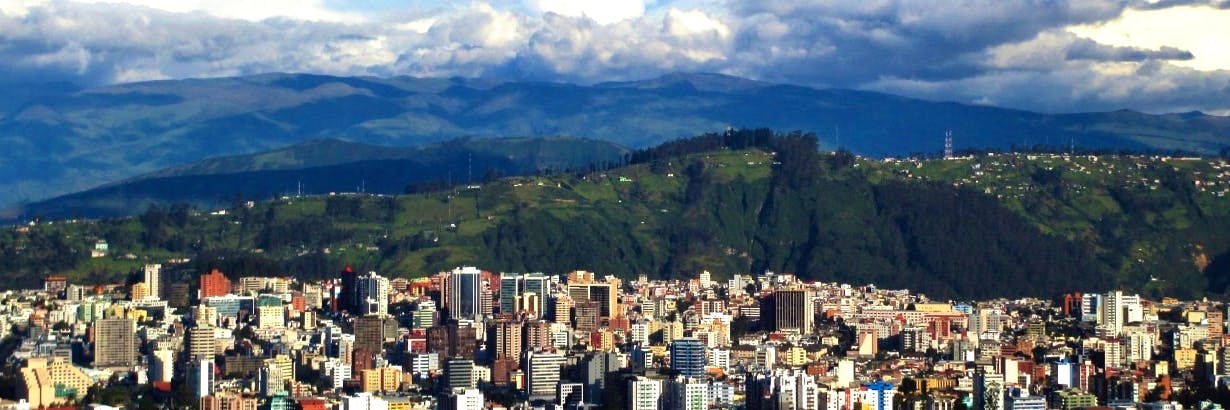
How to volunteer in Ecuador
Imagine a country where you hike at 4,000 meters in the Andes in the morning, wander through the steamy Amazon Rainforest in the afternoon, and stand at the equator monument in the “Middle of the World” the very next morning — welcome to Ecuador, a standout destination for volunteering abroad in Ecuador across the Andes, Amazon, Pacific Coast and the magical Galápagos Islands.
Ecuador is one of the planet’s 17 megadiverse countries: over 25,000 plant species, around 1,600 bird species and numerous endemic animals live here. It’s also the only nation to enshrine the Rights of Nature in its Constitution — a perfect backdrop for ethical volunteering and community-led Ecuador volunteer programs. As a volunteer you can help conserve these natural treasures while experiencing the culture, cuisine and warmth of the people.
⚡ TL;DR: Volunteering in Ecuador
- Project variety: wildlife conservation, community projects, teach English & after-school, medical volunteering, reforestation & conservation.
- Top regions: Quito volunteer projects (Andes), Mindo cloud-forest, Baños & Cuenca, Amazon rainforest, Manabí Coast, Galápagos.
- Best time: Andes: Jun–Sep (dry), Coast: Dec–May (warm), Galápagos: year-round (Dec–May warmer).
- Cost/day: about 20–40 USD (mainland; Galápagos higher) plus project fees — see costs by project type.
- Minimum duration: from 2 weeks; for sustainable impact 4+ weeks recommended (short-term volunteering 2–3 weeks possible).
- Ethics: No animal handling, respect for Indigenous culture, community-led projects, data collection instead of selfies.
- Quick start: Jump to projects ↓
💡 Why volunteer in Ecuador? — ethical, community-led programs
- Four worlds in one country: Andes, Amazon, Coast, Galápagos — short distances, maximum variety.
- Exceptional biodiversity: hotspot for wildlife projects (spectacled bear, Andean condor, primates, sea turtles).
- Strong sustainability focus: Rights of Nature, established ecotourism, many community-led initiatives.
- Cultural depth: UNESCO heritage in Quito, Indigenous traditions, festivals like Inti Raymi and Ambato Carnival.
- Visible volunteer impact: From nesting beaches and cloud-forest saplings to better English in schools — results are measurable.
🇪🇨 Where can I help in Ecuador?
Ecuador offers projects in all four worlds: Andes, Coast, Amazon and Galápagos. As a volunteer you’re part of the community — you support local NGOs, learn from them and contribute directly to the UN Sustainable Development Goals (SDGs).
🌍 Regions & volunteer projects in Ecuador
Here’s where to find which projects — plan your trip like a pro:
| Region | Typical projects | Highlights | Season |
|---|---|---|---|
| Quito & Andes | Children/English teaching, social projects | UNESCO old town, Cotopaxi, equator line | Year-round; Jun–Sep dry |
| Mindo Cloud Forest | reforestation, butterfly conservation, ecotourism | Cloud forests, birding, cacao/coffee | Year-round; rains Dec–May |
| Baños & Cuenca | community, education | Hot springs, waterfalls, colonial architecture | Year-round; mild |
| Amazonía | primate conservation, sloth conservation, agroforestry | Indigenous culture, pink river dolphins | Year-round; warm-humid |
| Manabí Coast | sea turtles, mangrove conservation | Surf beaches, coastal villages | Dec–May warm & wet |
| Galápagos | marine & island projects | Giant tortoises, Darwin Station, strict protection rules | Dec–May warm; Jun–Nov cooler & plankton-rich |
🏙️ Quito volunteer programs — teach English & community roles
In the capital you’ll find reliable Ecuador volunteering opportunities: co-teaching English, homework clubs, sports and light renovation. It’s a great base for short-term volunteering in Ecuador (2–3 weeks) with clear schedules and measurable classroom outcomes.
🌿 Mangrove restoration in Ecuador (Manabí)
Coastal teams work on nurseries, planting and water-quality checks. This is ideal if you want ethical marine volunteering beyond beaches, and complements sea turtle conservation during the Dec–May nesting season.
🧭 Picking the right project
| If you… | Then choose… |
|---|---|
| love animals | wildlife projects in the Amazon or on the Galápagos Islands |
| want to support children | education projects in Quito & Cuenca (English, creative workshops, sports) |
| want to be active | reforestation in the cloud forest, coastal/mangrove protection |
| are into healthcare | Medical Training in local clinics/health centers |
🧭 Four natural zones in detail — where your impact goes furthest
Ecuador combines the Andes, Amazonía, Pacific Coast and the Galápagos Islands in one country. For volunteering, what matters is how each zone feels: climate, logistics, tasks, culture and ethics differ. The overview below helps you choose realistically — and plan combos.
⛰️ Andes (Quito, Otavalo, Cuenca, Cotopaxi) — education & highland conservation
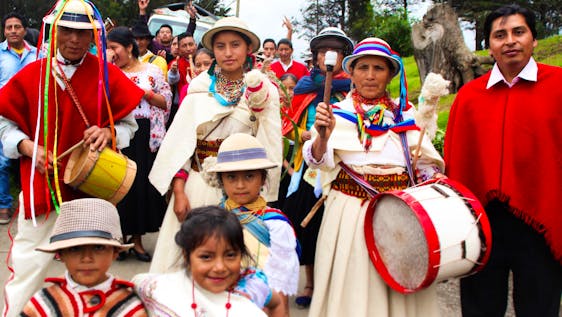
The Andes are Ecuador’s cultural backbone: colonial cities, highland markets, páramo grasslands and volcano chains. Ideal for education, community work and highland conservation (e.g., condor protection, páramo restoration). Many travelers choose Quito volunteer programs to teach English in Ecuador or support community projects before combining with weekend hikes.
| Category | What to know |
|---|---|
| Climate & altitude | 2,400–4,000 m; big day/night range; broadly dry Jun–Sep; UV very strong. |
| Typical projects | English/creative teaching, construction/renovation, Andean condor monitoring, páramo plantings. |
| Logistics | Base in Quito/Cuenca; dense bus network; 2–6 h between hotspots; easy day trips to Cotopaxi/Otavalo. |
| Health | Acclimatize 24–48 h; hydrate, start slow; sun protection & warm evening layers. |
| Culture & etiquette | Indigenous markets (Otavalo), weaving arts, calm greetings; ask before photos. |
- Volunteer fit: If you like structure and teaching with measurable progress, the Andes are a great match.
- Ethics: Don’t bait/attract raptors; stay on trails; respect sacred sites.
🧑🏫 Andes: English & learning support in Quito/Cuenca
Typical tasks: co-teaching, conversation circles, creating learning materials, afternoon tutoring. Ideal for 4–8 weeks with visible progress.
🌳 Amazonía (Tena, Puyo, Coca) — Amazon rainforest volunteering in Ecuador
Ecuador’s Amazon is a mosaic of rivers, rainforest and Indigenous territories. You’re in the heart of the Amazon Rainforest — ideal for primate/wildlife rescue, reforestation and agroforestry (e.g., cacao, beneficial hedgerows). This is one of the best areas for ethical wildlife volunteering and hands-on reforestation in Ecuador alongside Indigenous-run initiatives.
| Category | What to know |
|---|---|
| Climate & altitude | 300–600 m; warm-humid year-round; heavy showers at times; river levels seasonal. |
| Typical projects | Rescue centers (primates/sloths), nurseries, biodiversity monitoring, environmental education in village schools. |
| Logistics | Base usually Tena/Puyo; bus from Andes; last miles by boat/4x4. |
| Health | Mosquito protection, long lightweight clothing; vaccinations/prophylaxis as advised; waterproof packing. |
| Community etiquette | Respect Indigenous protocols; follow guides; photos only with consent; no GPS pinning of sensitive sites. |
- Volunteer fit: If you enjoy the outdoors, teamwork and routine tasks (feeding, care, data), Amazonía fits.
- Ethics: Don’t touch wildlife; respect quiet times; no ‘pet-keeping’ of rescued animals.
🐒 Primates & agroforestry in Tena/Puyo
Morning: food prep/enclosure care; midday: data entry/enrichment; afternoon: nursery/agroforestry. No animal handling — focus on care & habitat.
🏖️ Manabí Pacific Coast — sea turtle conservation & mangrove restoration
Ecuador’s coast lives by the ocean: fishing villages, mangroves and long beaches. Perfect for marine conservation (turtles), mangrove projects and community work in coastal towns. Peak season draws teams focused on sea turtle conservation in Manabí and mangrove restoration in Ecuador with night patrols and daytime outreach.
| Category | What to know |
|---|---|
| Climate & season | Dec–May warm/humid; Jun–Nov cooler/drier (Humboldt current); night work on beaches possible. |
| Typical projects | Patrolling nesting beaches, nest protection, beach clean-ups, mangrove planting, environmental education. |
| Logistics | Base in coastal towns; bus/colectivo; night shifts aligned to tides/nesting. |
| Safety & health | Sun/heat, drinking water, currents; reflective clothing for night walks away from nests. |
| Ethics | No flash photography; keep distance to nesters; red light only; don’t publish sensitive nest data. |
- Volunteer fit: Flexible with night/early shifts, love the sea, want visible results? The Coast fits.
🐢 Sea turtle season on Manabí’s coast
- Nesting: roughly Dec–May (peak varies by beach)
- Tasks: night patrols, nest protection, monitoring
- Note: use red light, follow beach rules
🦎 Galápagos (Santa Cruz, San Cristóbal, Isabela) — conservation volunteering
Galápagos is tightly regulated and unique: volcanic islands, endemic species, clear waters. Projects are nature- & rules-centered: remove invasive plants, collect data, keep beaches clean, support environmental education and marine tasks with partners. Expect structured Galápagos conservation volunteering — invasive species removal, data logging and occasional marine conservation components.
| Category | What to know |
|---|---|
| Climate & sea | Dec–May warmer/calmer seas; Jun–Nov cooler/plankton-rich (more marine life, crossings can be choppy). |
| Typical projects | Removing invasives, monitoring, beach/reef clean-ups, environmental education; marine component varies. |
| Logistics | Base often Puerto Ayora/Santa Cruz; inter-island ferries; waterproof bags; cash/ATM limits. |
| Rules & permits | Small groups; marked trails; wildlife distances; follow park/island rules; project guides you through paperwork. |
| Health | Seasickness (consider tablets), strong sun/UV, hydration; no animal contact — observation & data only. |
- Volunteer fit: Love clear structures & strict conservation rules? Galápagos is for you — ethics first.
🪴 Galápagos: invasive plants & monitoring
Typical: remove invasive species, document areas, record datasets, support environmental education. Strict rules, small teams.
🧩 Transport, distances & smart combos
| Route | Typical travel time | Notes |
|---|---|---|
| Quito → Tena/Puyo (Amazonía) | 4–6 h by bus | Steep Andean descents; weather can extend travel time. |
| Quito → Coast (Manabí) | 7–10 h by bus | Overnight buses possible; plan stopovers. |
| Quito/Guayaquil → Galápagos | Flight ~2 h | Project provides flight windows/rules; inter-island by ferry. |
| Quito ↔ Cuenca | 8–10 h bus / domestic flight | Flights save time; Andean route is scenic. |
- Combo idea 1 (4–6 weeks): Andes (education/community) → Amazonía (wildlife/agroforestry).
- Combo idea 2 (3–5 weeks): Coast (turtles & mangroves) → Andes weekend (Quito/Cotopaxi).
- Combo idea 3 (5–8 weeks): Andes → Galápagos (island project) — plan strict rules & buffer time.
⏱️ Short-term projects (2–3 weeks)
- Coast (turtles): night patrols + clean-ups
- Andes (education): co-teaching & materials
- Mindo (reforestation): nursery & trail maintenance
Tip: add travel + 1–2 buffer days.
🎒 Zone-based packing list (add-on to your standard list)
| Zone | Must bring | Nice to have |
|---|---|---|
| Andes | High UV protection, fleece/softshell, sturdy footwear | SPF lip balm, thermos, thin gloves |
| Amazonía | Long lightweight clothing, repellent, dry bags | Light rubber boots, microfiber towel |
| Coast | Red-light headlamp, reusable water bottle | Rashguard, reef-safe sunscreen |
| Galápagos | Seasickness meds, sun hat, day dry bag | Light windbreaker, snorkel set (optional) |
🛡️ Protected areas, rules & fees (general)
- Entry/park fees may apply depending on project/area; the organization informs you in advance.
- Leave No Trace: stay on marked trails, pack out waste, no sampling without permits, no drones without authorization.
- Data ethics: do not publicly share sensitive species/nest locations; datasets stay with the project.
📊 Measure impact — zone-specific KPIs
| Zone | Example KPIs | Typical roles |
|---|---|---|
| Andes | Teaching hours/week, learning goals achieved, rooms renovated/month | Co-teaching, materials development, construction/logistics |
| Amazonía | Animals cared for/week, saplings planted, validated datasets | Animal care, agroforestry, biodiversity teams |
| Coast | Patrols/night, protected nests, kg of trash per clean-up | Nest monitoring, beach & mangrove teams |
| Galápagos | Area cleared of invasives, monitoring hours, school sessions | Restoration, data collection, environmental education |
🐾 Wildlife projects & ethics
Ecuador is a hotspot for wildlife conservation: spectacled bears, Andean condors, jaguars, primates, sea turtles and over 1,600 bird species. As a volunteer you help protect habitats, collect data and rehabilitate animals — no animal handling, but professional care & monitoring.
| Species | Typical tasks | Ethics |
|---|---|---|
| Spectacled bear | Camera traps, tracking, habitat management | No direct contact |
| Jaguar | GPS data, data logging, community outreach | No feeding/attracting |
| Primates | Rehabilitation, food prep, enrichment | No selfie contact |
| Sea turtles | Nest protection, hatchling release, beach monitoring | Night work with red light only |
| Andean condor | Observation, counts, protection measures | No baiting/hand-feeding |
🌱 Ethics & sustainability
- No selfie or petting contact with wildlife
- Community-led projects & local ownership
- Respect Indigenous rights & traditions
- SDG contribution: SDG 4 (Quality Education), SDG 14 (Life Below Water), SDG 15 (Life on Land)
🌱 Conservation & agroforestry
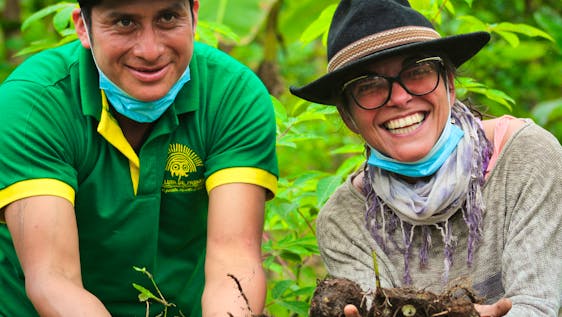
Ecuador is a frontrunner in sustainability and ecotourism. As a volunteer you work in reforestation, mangrove protection or community farming — practical steps against deforestation, erosion and climate change.
| Project type | Tasks | Example KPIs |
|---|---|---|
| Reforestation | Grow/plant saplings, remove invasives, maintain trails | Trees planted/week, sapling survival/month |
| Mangrove conservation | Planting, coastal protection, water quality monitoring | Hectares restored, parameters measured/month |
| Permaculture & community farming | Compost, seed banks, family workshops | Participants/month, harvest output/project |
| Cloud forest research | Species counts (birding, amphibians), acoustic monitoring | Validated datasets/month |
📚 Education & community
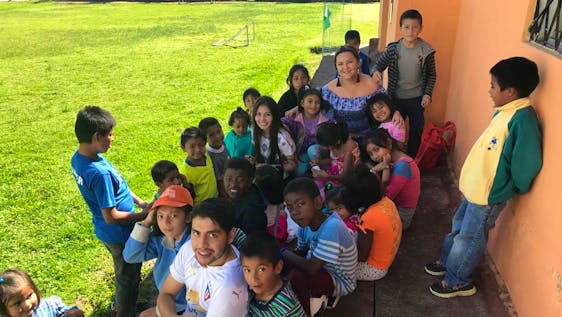
Rural schools are often understaffed. With education projects and community work you improve real opportunities: English classes, tutoring, sports, libraries, materials development — social impact beyond travel.
| Area | Target group | Impact | Minimum length |
|---|---|---|---|
| Education (English, tutoring) | Children & youth | Language competence, motivation, higher school retention | 4+ weeks |
| Community (construction, infrastructure) | Villages & neighborhoods | Renovated classrooms, better hygiene/water access | 2–8 weeks |
| Women’s empowerment | Women’s cooperatives | Empowerment, extra income, skills | 6+ weeks |
🗓️ A typical volunteer day
Morning: project briefing, teaching/data collection/reforestation · Midday: lunch with team/host family · Afternoon: community activities, workshops, animal care · Evening: reflection, prep, culture/Spanish practice.
👨👩👧 Audiences: 50+, couples & families
50+: data logging, teaching, materials development. Couples/families: check double/family rooms and child-appropriate tasks.
🏠 Accommodation & support
- Stay: host family, volunteer house or hostel (simple, safe, locally rooted).
- Orientation: on-site briefing on safety, ethics, tasks, emergency contacts.
- Support: local coordinators, regular check-ins, feedback loops.
💵 Cost of living in Ecuador
Ecuador uses the US dollar — budgeting is simpler. On the mainland, plan 20–40 USD/day for accommodation, transport & meals (Galápagos is pricier). Add project fees, possible domestic flights, insurance and vaccinations.


💰 Example costs by project type (guide)
| Project type | Cost per day | Notes |
|---|---|---|
| Wildlife/Rescue | 25–40 USD | Food/materials, remote locations |
| Reforestation/Cloud forest | 20–35 USD | Tools/ponchos, mind rainy seasons |
| Sea turtles | 25–35 USD | Night patrols, seasonal |
| Education/Community | 20–30 USD | More urban locations, cheaper |
| Galápagos (island projects) | 40–65 USD | Transport/logistics are pricier |
Plus: flights/transfers, personal expenses, tours, insurance, possible vaccinations.
📅 Best time to volunteer in Ecuador
| Region | Best time | Notes |
|---|---|---|
| Coast | Dec–May | Warm & wet — marine conservation/nesting for turtles |
| Andes | Jun–Sep | Dry & sunny, chilly nights |
| Amazonía | Year-round | High humidity, strong biodiversity |
| Galápagos | Dec–May (warmer) | Calmer seas; Jun–Nov: cooler & plankton-rich (more marine life) |
🛂 Visa & entry
Short stays are often possible with a tourist visa up to 90 days (nationality dependent). For longer stays: volunteer visa in advance. Always confirm with your project and official sources (passport validity ≥ 6 months, blank pages, onward ticket).
🧭 Safety, health & culture
- Safety: In Quito & Guayaquil watch for pickpockets, store valuables; agree fares before rides.
- Health: Acclimatize to altitude (Quito ~2,850 m), mosquito protection, yellow fever may be advised for Amazonía, drink bottled water.
- Culture: cheek-kiss greeting, festivals like Inti Raymi (June) & Carnival (Feb); be respectful with Indigenous traditions.
- Galápagos rules: marked trails, wildlife distances, small groups, strict park regulations — protect the ecosystem.
🗣️ 10 useful Spanish phrases for project life (ES → EN)
- ¿En qué puedo ayudar hoy? – How can I help today?
- ¿Dónde guardamos las herramientas? – Where do we store the tools?
- ¿Cuál es el plan para mañana? – What’s the plan for tomorrow?
- ¿A qué hora empieza la patrulla nocturna? – What time does the night patrol start?
- Necesito más bolsas para la basura. – I need more trash bags.
- ¡Gracias por enseñarme! – Thanks for teaching me!
- ¿Hay señal / wifi aquí? – Is there signal / Wi-Fi here?
- ¿Dónde puedo rellenar mi botella de agua? – Where can I refill my water bottle?
- ¿Podemos revisar los datos juntos? – Can we review the data together?
- Hasta mañana, buenas noches. – See you tomorrow, good night.
🚩 Common mistakes to avoid
- Underestimating altitude (Quito ~2,850 m) → acclimatize 24–48 h
- Ignoring beach rules → red light only, keep distance from nests
- Oversharing sensitive data (nest GPS) → keep confidential
- Unplanned transfers → add buffers for bus/ferry
- No drinking-water plan → reusable bottle + refill points
💬 Volunteer experiences
“I taught English in Quito — after four weeks my class could hold dialogues. The progress was incredible!” – Laura (21), volunteer
“Planting saplings in the cloud forest with hummingbirds whirring above me was the most transformative travel experience I’ve had.” – Deniz (36), volunteer