











































































Volunteer with Lions
 Activities
 Rhino Conservation
 Elephant Conservation
 Africa
 Animal
 Wildlife Conservation
 Southwest African Lion
 Southern Africa
 Antelope Conservation
 South Africa
 Anti Poaching
Black Rhino
Anti Poaching
Black Rhino
 White Rhino
 Giraffe Conservation
 African Leopard
 Leopard Conservation
 Hotspots
 Bush Elephant
 African Elephant
Masai Giraffe
African Elephant
Masai Giraffe
 Planting Trees
 Zebra Conservation
 Cheetah Conservation
 South African Cheetah
 Tiger Conservation
Bengal Tiger
Tiger Conservation
Bengal Tiger
 Buffalo Conservation
 African Buffalo
 Mountain Zebra
 Hyena Conservation
 Kudu
Kudu
 Spotted Hyena
 Impala
 Kruger National Park
 Premium
 National Park
 Southern Giraffe
 Bushbuck
 Safari
 West African Lion
Masai Lion
West African Lion
Masai Lion
 Caracal Conservation
 Caracal
 Meerkat
 Meerkat Conservation
 Animal Sanctuary
 Monkey Conservation
 Baboon
 African Wild Dog Conservation
 Plains Zebra
 Namibia
Cape Wild Dog
Namibia
Cape Wild Dog
 Windhoek
Springbok
Windhoek
Springbok
 Jackal Conservation
Black-backed Jackal
Jackal Conservation
Black-backed Jackal
 Common Warthog
Warthog Conservation
Eland Antelope
Common Warthog
Warthog Conservation
Eland Antelope
 Hippo Conservation
South African Hippo
Black Wildebeest
Hippo Conservation
South African Hippo
Black Wildebeest
 Port Elizabeth
 Volunteer and Travel
 Voluntourism
 Bird Conservation
 Western Africa
 Kumasi
 Ghana
Ghana
 Mongoose
 Mongoose Conservation
 Capuchin Monkey
 Eastern Africa
Sumatran Tiger
Brown Hyena
Eastern Africa
Sumatran Tiger
Brown Hyena
 Vervet Monkey
 Wildcat Conservation
 Honey Badger
Badger Conservation
Honey Badger
Badger Conservation
 Reptile Conservation
 Owl
Ostrich
Owl
Ostrich
 Ocelot
Genet
Ocelot
Genet
 Leopardus Conservation
 Crocodile
 Kenya
East African Wild Dog
Kenya
East African Wild Dog
 Horse
Harnas
Horse
Harnas
 Tubulidentata Conservation
 Aardvark
 Zimbabwe
Horse Trekking
Natural Horsemanship
Zimbabwe
Horse Trekking
Natural Horsemanship
 Coffee
 Tanzania
 Arusha
 Kilimanjaro
 Serengeti
 Vegan
Vegan
 Elephant Research
African Wildcat
Elephant Research
African Wildcat
 Tanzanian Cheetah
 Otter Conservation
Sea Otter
Otter Conservation
Sea Otter
 Pangolin Conservation
Elusive Pangolin
Pangolin Conservation
Elusive Pangolin
 Transvaal Lion
 Nyala
Blue Wildebeest
Nyala
Blue Wildebeest
 Günthers Dik-Dik
 Northwest African Cheetah
 Intern Abroad
 Physical Therapy Internship
 Nursing Internship
 Midwifery Internship
 Environment
 Conservation Work
 Botswana
 Victoria Falls
 Animal Shelter
 Swaziland
 Shark Conservation
 Side-striped Jackal
 Amur Tiger
 Whale Shark
 Golden Jackal
Grants Gazelle
Golden Jackal
Grants Gazelle
 Waterbuck
 East African Hippo
 Dog
Dog
 Veterinary Training
 Cats
Cats
 Malawi
Serval
Malawi
Serval
 Duiker








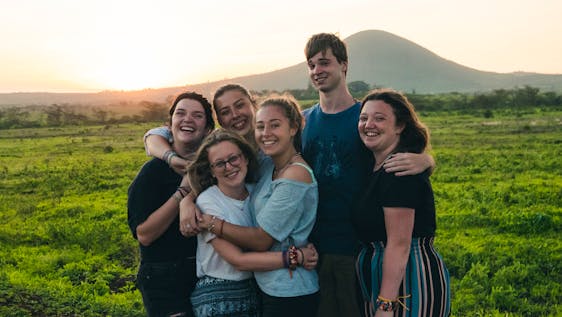

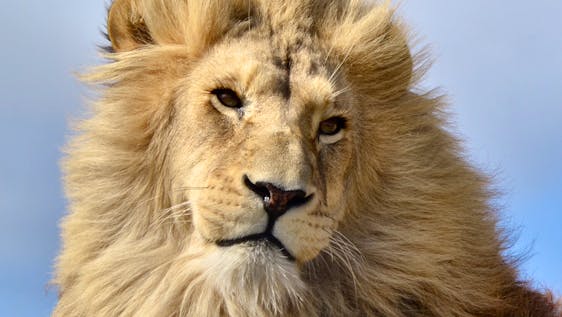


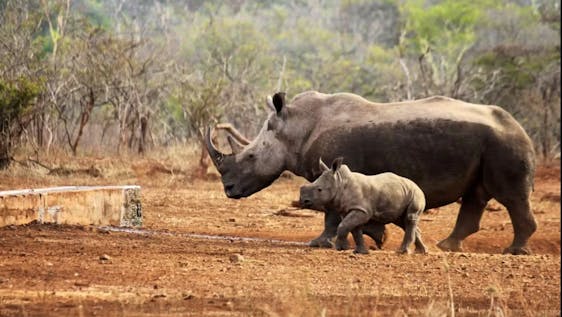


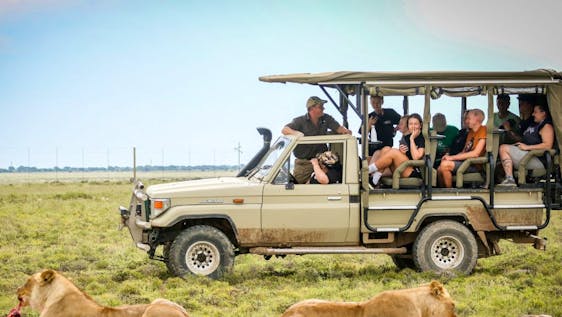


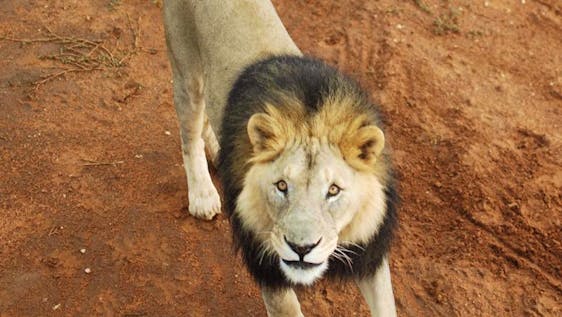



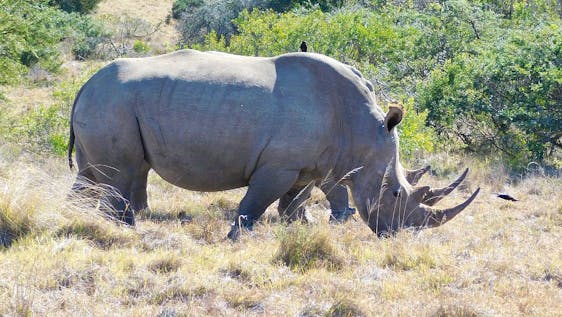


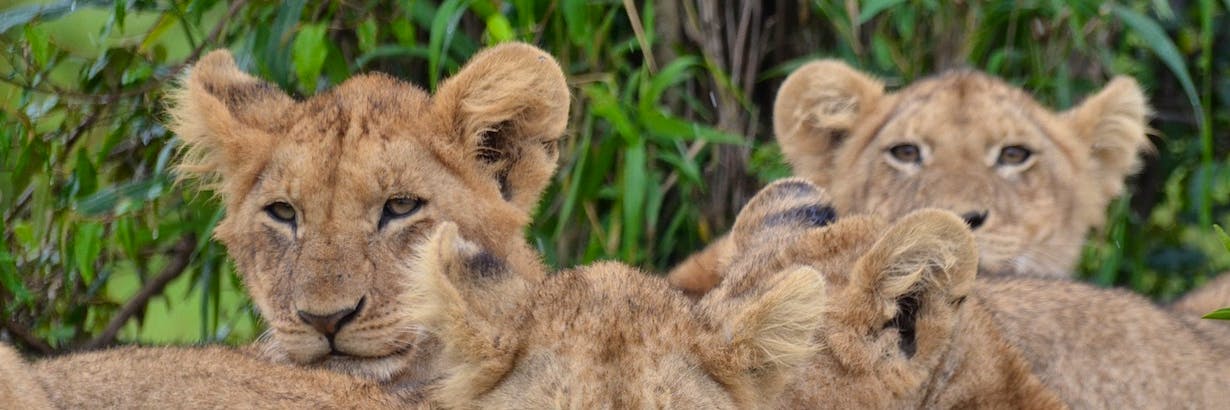
Lion Sanctuary Volunteer Projects
You want to protect lions—no cub petting, no “lion walks”, no canned hunting. Just real conservation. This guide moves you from first idea to a confident, ethical choice in minutes, with hands-off ethics, clear roles (HLC, monitoring, telemetry, community) and smart hub picks across Southern & East Africa.
If you’re searching for credible lion conservation projects—no captive breeding tourism—you’ll find the best hands-off options here, plus criteria to spot a truly ethical program. For a broader overview, see Lion conservation volunteering and wildlife conservation.
⚡ TL;DR
- Ethics first: no cub petting, no walking with lions, no canned hunting. Prioritize wild monitoring, HLC prevention, and community outcomes.
- Quick start: pick by goal: South Africa, Namibia, Kenya, Botswana, Zimbabwe, Tanzania.
- Use-case match: Field methods & Big Five setting: South Africa · Desert & HLC/water conflict: Namibia · Community HLC & bomas: Kenya/Zimbabwe · Remote delta systems: Botswana · Migratory corridors & classic savanna: Tanzania.
- Duration: 2–3 weeks deliver measurable value (boma maintenance, spoor transects, data QA). 4+ weeks = telemetry & analysis depth.
- Budget: typically $425–$700/week incl. housing (excl. flights/visas). See budget-friendly programs.
- Related species: Cheetah projects · Leopard monitoring · Painted dog conservation · Elephant conservation · Big Five volunteering.
How to choose well
- Motivation: Skills & methods (South Africa), HLC/community (Kenya / Zimbabwe), arid landscapes & tracking (Namibia), remote wetland systems (Botswana), migratory corridors (Tanzania).
- Seasonality: Dry months = better spoor visibility & logistics (e.g., May–Sep in Kruger/Limpopo; Jun–Oct in Kenya/Tanzania; Apr–Oct Namibia; May–Oct Botswana).
- Role vs time: 2–3 weeks → impact sprints (bomas, spoor transects, data upload); 4–8 weeks → telemetry, call-ups, data analysis.
- Run the ethics check: No captive interactions, no breeding-for-tourism, documented conservation outcomes.
- Travel hubs: Johannesburg · Cape Town · Windhoek · Nairobi · Arusha.
Pro tip: If a project advertises cub time, selfies, or “walking with lions,” it’s not conservation. Ethical projects focus on field data and conflict prevention.
🧭 Quick country fit








🇿🇦 South Africa (Greater Kruger / Limpopo / Kalahari)
Focus: predator monitoring (camera traps, call-ups), spoor transects, reserve datasets.
Why here? High data cadence, solid infrastructure, great for 2–3 week sprints.
Best time: May–Sep (dry).
Sample Week
| Day | Activity |
|---|---|
| Mon | Orientation, safety & ethics, telemetry intro |
| Tue | Spoor transects (AM), data QA (PM) |
| Wed | Camera-trap service + metadata upload |
| Thu | Call-up survey prep (no baiting/harassment) |
| Fri | GIS tagging & weekly report |
| Sat/Sun | Rest / optional guided game drive |
📅 Start dates & fees — South Africa Lions
- Typical starts: every 2 weeks (Mondays)
- Example upcoming: Oct 6 · Oct 20 · Nov 3 · Nov 17 · Dec 1
- Duration: 2–12 weeks (extendable)
- Weekly fee: from $425 (incl. housing, training)
- Deposit: $250 · Balance: due 30 days pre-departure
*Fees exclude flights, visas & insurance. Update quarterly.
🇳🇦 Namibia (Damaraland / Kunene)
Focus: desert-adapted lions, HLC on water points, long-range tracking.
Why here? Off-grid fieldwork; transects & community liaison; heat & distance require resilience.
Best time: Apr–Oct.
📅 Start dates & fees — Namibia Lions
- Typical starts: monthly (Mondays)
- Example upcoming: Oct 13 · Nov 10 · Dec 8 · Jan 12
- Duration: 2–10 weeks
- Weekly fee: from $450
- Deposit/Balance: $250 / 30 days pre-departure
*Excludes flights/visas/insurance. Update quarterly.
Start: Namibia projects · Cheetah projects · All Africa wildlife
🇰🇪 Kenya (Amboseli / Tsavo / Laikipia)
Focus: HLC prevention: predator-proof bomas, community trainings, corridor mapping.
Why here? High community impact; bomas show measurable reductions in livestock losses.
Best time: Jun–Oct, Jan–Feb.
📅 Start dates & fees — Kenya Lions
- Typical starts: twice monthly (Mondays)
- Example upcoming: Oct 6 · Oct 20 · Nov 10 · Nov 24 · Dec 8
- Duration: 2–8 weeks
- Weekly fee: from $475
- Deposit/Balance: $250 / 30 days pre-departure
*Excludes flights/visas/insurance. Update quarterly.
Start: Kenya lion conservation · Painted dog conservation · All Africa wildlife
🇧🇼 Botswana (Okavango / Savuti)
Focus: remote wetland predator monitoring, camera traps, spoor along floodplains.
Why here? World-class wildlife densities; logistics can be demanding—ideal for longer stays.
Best time: May–Oct.
📅 Start dates & fees — Botswana Lions
- Typical starts: monthly (1st or 3rd Monday)
- Example upcoming: Oct 6 · Nov 3 · Dec 1 · Jan 5
- Duration: 3–8 weeks
- Weekly fee: from $590
- Deposit/Balance: $300 / 45 days pre-departure
*Excludes flights/visas/insurance. Update quarterly.
Start: Botswana programs · Big Five volunteering
🇿🇼 Zimbabwe (Hwange / Zambezi)
Focus: HLC mitigation (mobile bomas), camera traps, corridor/community outreach.
Best time: May–Sep (dry).
📅 Start dates & fees — Zimbabwe Lions
- Typical starts: monthly (Mondays)
- Example upcoming: Oct 27 · Nov 24 · Dec 22 · Jan 19
- Duration: 2–6 weeks
- Weekly fee: from $445
- Deposit/Balance: $200 / 30 days pre-departure
*Excludes flights/visas/insurance. Update quarterly.
Start: Zimbabwe projects · All Africa wildlife
🇹🇿 Tanzania (Serengeti / Ngorongoro)
Focus: predator monitoring in migratory systems; corridor data & community co-existence.
Why here? Classic savanna ecosystems; strong learning on predator–prey dynamics.
Best time: Jun–Oct (dry); Jan–Mar (calving season, methods vary).
📅 Start dates & fees — Tanzania Lions
- Typical starts: twice monthly (Mondays)
- Example upcoming: Oct 13 · Oct 27 · Nov 10 · Nov 24 · Dec 8
- Duration: 2–8 weeks
- Weekly fee: from $525
- Deposit/Balance: $250 / 30 days pre-departure
*Excludes flights/visas/insurance. Update quarterly.
Methods add-ons: prey transects during the Dec–Mar calving season on the Ndutu/short-grass plains; carcass monitoring to link predator activity with prey availability; corridor waypointing across Serengeti–Ngorongoro interfaces; camera-trap rotations on calving grounds with strict buffer distances.
Unique weekend ideas: sunrise on the Ndutu plains (calving season), Olduvai Gorge Museum & shifting sands, Ngorongoro rim viewpoints; outside calving season, follow herds toward the western corridor or central Serengeti for predator–prey dynamics.
Start: Tanzania lion conservation · Leopard monitoring · Big Five volunteering
✅ Ethics check: serious lion conservation
- No cub petting, no “lion walks”, no canned hunting.
- No captive breeding for tourism; no baiting/harassment for photos.
- Hands-off fieldwork: monitoring, HLC prevention, data that informs management.
- Transparency: data sharing, vet protocols, community revenue share.
| Practice | Policy |
|---|---|
| Cub petting / Lion walks | ❌ Not allowed |
| Canned hunting links | ❌ Zero tolerance |
| Captive breeding for tourism | ❌ Not involved |
| Baiting/harassment for sightings | ❌ Not practiced |
| Telemetry / call-ups | ✅ Research-led, ethical protocols |
| Community revenue share | ✅ In place (varies by hub) |
- You want cub selfies, close contact, or staged “walk with lions”.
- You expect guaranteed sightings regardless of animal welfare or weather.
🗺️ Hub comparison
| Hub/Region | Focus & ethics | Best season | Typical tasks | Good for | Links |
|---|---|---|---|---|---|
| 🇿🇦 South Africa | Predator monitoring; strict no-interaction; reserve datasets | May–Sep | Spoor transects, camera traps, call-up prep, data QA | Beginners – students – 2–3 week sprints | SA lions programs |
| 🇳🇦 Namibia | Desert lions, HLC at water points; hands-off | Apr–Oct | Transects, telemetry assists, community liaison | Adventurous – outdoor – 50+ | Namibia |
| 🇰🇪 Kenya | HLC mitigation: predator-proof bomas, education | Jun–Oct, Jan–Feb | Boma builds/maintenance, workshops, corridor mapping | Impact focus – groups – students | Kenya |
| 🇧🇼 Botswana | Remote wetland predators; research-grade protocols | May–Oct | Camera traps, spoor surveys, data uploads | Longer stays – field method depth | Botswana |
| 🇿🇼 Zimbabwe | HLC (mobile bomas), corridor outreach | May–Sep | Bomas, community briefs, camera-trap checks | Beginners – community-minded | Zimbabwe |
| 🇹🇿 Tanzania | Predator monitoring in migratory systems | Jun–Oct; Jan–Mar | Spoors, camera traps, corridor data, outreach | Students – longer stays – research focus | Tanzania |
⏳ Duration & 💸 Budget
- 2–3 weeks: impact sprints — bomas, spoor transects, data QA.
- 4–8 weeks: telemetry support, camera-trap analysis, HLC evaluation.
- Typical cost: $425–$700/week incl. housing (excl. flights/visas). See budget-friendly programs.
| Included | Not included |
|---|---|
| Shared accommodation | International flights |
| Orientation & training | Visas/ETA |
| Local project transfers | Travel insurance & evac cover |
| Field materials (camera traps, boma kits) | Vaccinations, clinics |
| On-site coordination & supervision | Weekend safaris/add-ons |
- 🧱 1–3 predator-proof bomas built/maintained
- 📸 4–12 camera-trap checks & SD swaps
- 🦁 40–120 km spoor transects completed
- 📍 100–300 QA-verified records
🧩 Human–Lion Conflict (HLC): where you help
Definition: Conflict hotspots at bomas, water points, and corridors. Prevention: predator-proof bomas, herder training, dogs (where appropriate), visitor management, corridor mapping.
- Boma build/maintenance (materials lists, seasonal checks)
- Monitoring (GPS, spoor forms, photodoc) & uploads
- Workshops & school materials (co-led with community)
📚 HLC works: what the data says
Predator-proof bomas consistently cut night-time livestock losses and reduce retaliatory lion killings. Fortified bomas in southern Kenya show large drops in depredations supporting coexistence outcomes; programs in Amboseli report over 90% reductions, and mobile bomas in parts of Hwange, Zimbabwe have achieved ~50–90% lower livestock predation after deployment.
- Evidence-based conservation on predator-proof bomas and coexistence.
- Amboseli field note — fortified bomas with >90% predation reduction.
- Mobile bomas in Hwange — associated with 50–90% fewer losses.
🦁 Species & subspecies — quick
- African lion (Panthera leo leo) — savanna/woodland apex predator. Threats: HLC, prey-base loss, habitat fragmentation, illegal trade.
- Asiatic lion (P. l. persica) — Gir Forest, India (note only, not volunteer placement here).
🧰 Methods & tools — lion conservation in the field
| Method | Purpose | Volunteer tasks | Skill | Avoid |
|---|---|---|---|---|
| Spoor transects | Index lion activity | Route walks/4x4, measure/record tracks, forms | Beginner+ | Poor GPS precision; missing metadata |
| Camera traps | Activity & ID | Setup, SD swaps, metadata, uploads | Beginner+ | Inconsistent height/angle; messy filenames |
| Telemetry (VHF/GPS) | Locate individuals, study ranges | Assist with tracking under ranger lead | Intermediate | Chasing/harassment; off-protocol approaches |
| Call-ups (acoustic) | Survey presence/response | Prep & logging (no baiting) | Intermediate | Non-ethical lures; poor distance control |
| HLC — bomas | Reduce night incursions | Build/repair, train, track incidents | Beginner | Skipping follow-ups with households |
| Data/QA | Decision support | Clean datasets, dedupe, audit logs | Beginner | Single-entry; no backups |
Outputs per week: 1–3 bomas, 4–12 camera checks, 40–120 km spoor, 100–300 QA records. These inform ranger decisions & HLC placement.
🔈 Call-up surveys — ethical guardrails
Call-ups (acoustic playbacks) are used sparingly to estimate presence/response. Projects follow reserve-approved protocols to minimize disturbance. Typical safeguards include:
- Distance: Only from pre-approved points; avoid den sites and sensitive habitats; reposition if non-target species show agitation.
- Decibel control: Calibrated output to mimic natural source levels; no amplification beyond protocol caps.
- Duration: Short, timed bouts with mandatory silent intervals; stop on signs of stress or if targets approach too closely.
- Frequency: Limited number of stations per night/week; no repeat sessions at the same site within the blackout window.
All playbacks are logged (time, GPS, file ID, volume setting, weather, responses) and reviewed in post-survey QA.
📡 Telemetry ethics — what volunteers do (and don’t)
- Permits & oversight: All collaring is authorized by park/wildlife authorities under research permits and animal-care protocols.
- Vets only: Immobilization, fitting, and health checks are conducted solely by licensed wildlife veterinarians and qualified researchers.
- Volunteer role: Assist with post-hoc data management (e.g., downloading collar fixes, mapping movement paths), ground-truthing locations, and standard field logs.
- Clear limits: Volunteers do not dart, handle, or fit collars; no pursuit/harassment for a GPS fix; animal welfare supersedes data goals.
🌱 Responsible travel — quick checklist
- Refillable bottle; minimize single-use plastics
- Buy local services & food
- Ask before photographing people/communities
- Offset flights; choose nonstop when possible
- Learn 3 phrases in the local language
🎒 Packing & fitness
- Neutral, long layers; broken-in boots; headlamp; power bank; repellent; small first-aid; reusable bottle.
- Fitness: some days 5–8 miles (8–12 km) on foot; heat and dust likely.
Tip: avoid bright/reflective clothing; secure snacks (no strong smells on trail).
🛡️ Safety, visas & insurance
- Safety: ranger briefings, distance rules, radio chain, night protocols.
- Visas: tourist visas/ETAs common (30–90 days) — check country specifics.
- Insurance: travel medical + medical evacuation covering remote ops.
🤝 Who is this for?
👩💻 Working professionals (2–3 weeks)
- Impact sprints: bomas, spoor transects, data backlog
- High ROI on PTO
🧭 50+ volunteers
- QA/education roles; moderate physical demand
- High team value on data discipline
👨👩👧 Families & U18
- Structured hubs with strict visitor management
- Ask for family slots & age-appropriate tasks
🎓 Students/Internships
- Telemetry, camera-trap analysis, HLC evaluation
- Certificates/reference letters; thesis-friendly tracks
🧩 Split placement — two hubs, double learning
- 2 wks South Africa + 2 wks Namibia
- 2 wks Kenya + 2 wks Botswana
- 3 wks Tanzania + 1 wk Leopard monitoring
🛬 Getting there & weekends
- Johannesburg · Cape Town (SA)
- Windhoek (Namibia)
- Nairobi (Kenya)
- Maun (Botswana)
- Arusha (Tanzania)
- Victoria Falls / Harare (Zimbabwe)
Weekend ideas: Panorama Route (SA), Sossusvlei (Namibia), Amboseli/Tsavo (Kenya), mokoro day in the Delta (Botswana), Ngorongoro rim (Tanzania), Hwange (Zimbabwe).
👩🔬 Expertise & training
- Onboarding: ethics, safety, HLC basics, data templates
- Week 1: spoor ID, telemetry basics, camera-trap standards
- From Week 2: call-up protocols, corridor mapping, data analysis
- Outcome: certificate/letter of participation with hours
📚 Mini case studies
Kenya — bomas reduce conflict
Predator-proof bomas cut night incursions dramatically; volunteers built & maintained lines, trained households, and logged incident data.
South Africa — spoor & camera synergy
Transects paired with camera-trap IDs improved understanding of pride ranges; weekly dashboards informed patrol routes.
Namibia — desert-lion tracking
Telemetry assists and water-point checks mapped seasonal lion movements, guiding HLC outreach before peak conflict months.
“I came for lions and left with datasets. Two weeks, three bomas, 150 km of spoor transects—and my first conservation report.” — Sam, NY (US volunteer)
📈 Measuring impact — weekly indicators
| Metric (per week) | Range | Context |
|---|---|---|
| Bomas built/maintained | 1–3 | Household-level HLC prevention |
| Camera-trap checks | 4–12 | SD swap, metadata, upload |
| Spoor transects | 40–120 km | Track ID, route consistency |
| QA-verified records | 100–300 | GPS/forms/photos |
- 🧱 1,900+ predator-proof bomas
- 📸 18,000+ camera-trap checks
- 🦁 95,000+ km of spoor transects
- 🗺️ 80+ corridor segments ground-truthed
🧠 Myths vs. facts
- Myth: “Lion walks help conservation.” — Fact: They fuel captive industries; real work is wild monitoring & HLC.
- Myth: “Cub petting raises awareness.” — Fact: It drives harmful breeding pipelines.
- Myth: “Two weeks can’t help.” — Fact: Impact sprints deliver bomas, data QA, and patrol intel.
- Myth: “Bomas trap lions.” — Fact: They protect livestock at night; lions remain free-ranging.
⚖️ Policy & legal — what serious hubs follow
- No captive breeding for tourism; no canned hunting links.
- Compliance: reserve rules, permits, ranger oversight.
- International references: alignment with CITES & protected-area management guidelines.
Programs operate as registered NGOs/NPOs or with park authorities, maintain vet protocols, and publish data summaries where appropriate.
🗓️ Idea to departure — timeline
- Week 0: Motivation, ethics check, shortlist 2–3 hubs
- Week 1: Availability & season, provider Q&A, budget fit
- Weeks 2–3: Apply & secure spot, price flights/insurance
- Weeks 4–6: Visa/ETA (as needed), travel clinic, packing list
- 6–8 weeks lead time recommended for fares & prep
- Departure – 1 week: emergency contacts, offline maps, document backups
❓ Frequently asked questions — Lion Conservation Volunteering
What does a typical day in lion conservation volunteering look like?
South Africa (lion research): AM spoor transects, PM data QA; rotating camera-trap checks. Namibia (desert lions): long-range transects & telemetry assists; heat management and vehicle checks. Kenya/Zimbabwe (HLC): predator-proof boma builds/maintenance + evening community workshops. Tanzania (Serengeti corridors): corridor waypoints, in-season prey transects, camera rotations, community sessions.
How do I identify an ethical lion volunteer program (no cub petting, no lion walks)?
Zero captive interactions: no cub petting, no lion walks, no canned hunting ties. Method-first: documented research/HLC outputs. Governance: ranger oversight, permits on file, transparent funding. Welfare: no baiting/harassment; call-ups under strict protocol.
How do volunteers measure impact in lion conservation projects?
Per week micro-metrics: 1–3 predator-proof bomas; 4–12 camera checks; 40–120 km spoor transects; 100–300 QA records. Many hubs provide an end-of-stay report and supervisor signature.
Are split placements good for a lion research internship?
Yes—combine field methods (South Africa) with HLC (Namibia/Kenya) or migratory systems (Tanzania) for broader datasets and richer learning in one trip window.
What safety guidelines apply to lion conservation volunteers in Africa?
Mandatory briefings, minimum distances, radio chain, and no solo night walking. After-dark vehicle protocols; surveys and call-ups run under ranger approval with stop rules on stress signals.
Do I need a visa or vaccines for lion volunteering in Africa (South Africa, Kenya, Tanzania, Namibia, Botswana, Zimbabwe)?
Most hubs use tourist visas/ETAs (30–90 days). Vaccines are routine + region-specific; plan a travel-clinic visit 4–6 weeks before departure.
What to pack for a lion conservation trip (field gear checklist)?
Neutral layers, broken-in boots, headlamp, repellent, power bank, reusable bottle, small first-aid. Avoid bright/reflective or noisy fabrics; keep snacks sealed and unscented.
Can I fly drones or bring professional camera gear on a lion volunteer project?
Generally no, or permit-only due to welfare, privacy, and reserve rules. Always confirm in advance; unauthorized flights can end a placement.
Is lion conservation volunteering in South Africa beginner-friendly?
Yes. Most projects accept beginners with good fitness and English; you’ll learn spoor ID, camera-trap standards, and data QA during onboarding.
What makes Namibia desert lion volunteering unique?
Remote, arid landscapes, long-range tracking near water points, and strong HLC work with communities. Expect heat, distance, and resilience; superb telemetry exposure.
How do predator-proof bomas reduce livestock loss in lion–human conflict areas?
Fortified bomas cut night-time depredations dramatically and reduce retaliatory killings. Volunteers help build/maintain bomas, train households, and log incident data to evaluate results.
What is telemetry in lion research, and what do volunteers actually do?
VHF/GPS telemetry locates individuals and studies ranges. Volunteers support by downloading fixes, mapping movement paths, ground-truthing locations, and keeping standard field logs—not darting or collaring.
Are there student internships or thesis-friendly lion research programs?
Yes—ask for supervised hours, reference letters, and access to anonymized datasets (camera-trap IDs, transect logs, HLC records). Some roles prefer 4–8 weeks for deeper analysis.
What are the costs & fees for lion volunteer programs (what’s included)?
Typical: $425–$700/week incl. shared housing, orientation/training, local transfers, and field materials. Excludes flights, visas/ETA, insurance, vaccinations, weekend add-ons.
Are program fees tax-deductible for US volunteers?
Program fees are service fees and generally not tax-deductible. Check your hub’s status and consult a tax advisor before filing.
Is lion conservation volunteering in Tanzania (Serengeti/Ngorongoro) good for research skills?
Excellent for predator–prey dynamics: in-season prey transects on calving grounds (Ndutu), carcass monitoring, corridor waypointing, and camera rotations with strict buffer distances.
Can solo travelers join lion conservation programs safely?
Absolutely. Most volunteers arrive solo and are placed into small teams with shared duties, briefings, and staff on site.
Do projects support dietary requirements and access needs?
Vegetarian/vegan and gluten-free are typically supported with notice. If terrain/heat are a concern, we’ll route you to hubs with more vehicle-based roles and accessible bases.
What’s the refund & cancellation policy for lion volunteer programs?
Deposits are usually non-refundable; balances often refundable up to a set deadline. Always review your hub’s policy before booking flights.