








Volunteer in Madagascar
 Activities
 Waste Reduction
 Hotspots
 Nosy Komba
 Sea Turtle Conservation
 Plastic Reduction
 Green Sea Turtle
 Ocean Cleaning
 Vegan
Vegan
 Environment
 Beach Cleaning
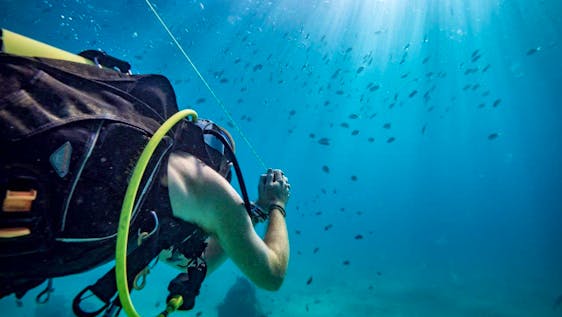
 Diving
 Marine Conservation
 Premium
 Coral Reef
 Diving certificate
 Animal
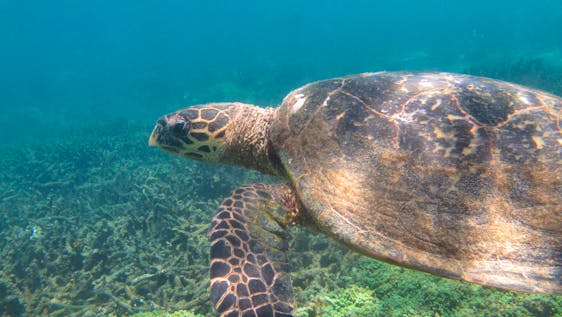
 Hawksbill Turtle
 Marine Life
 Monkey Conservation
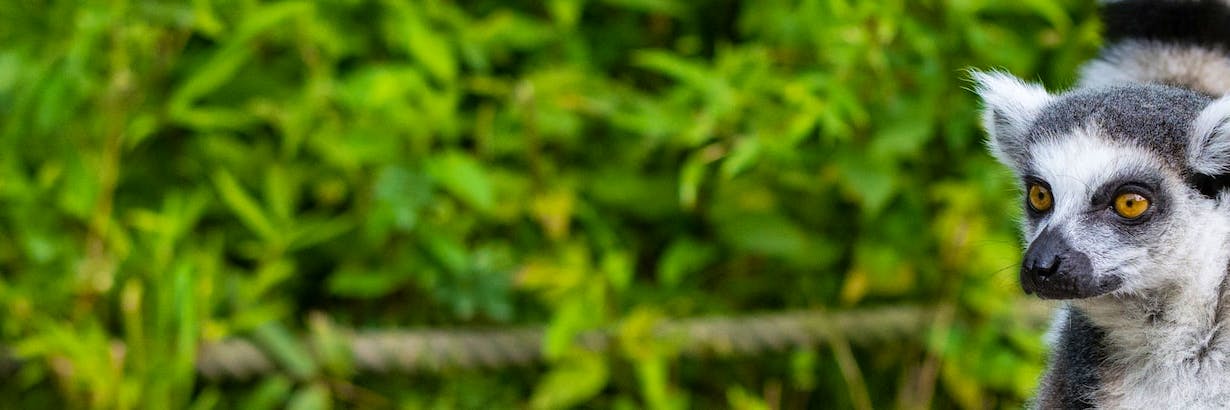
 Lemur
Lemur
 Education
 English Teaching
 Conservation Work
 Plant Conservation
Mangrove
Plant Conservation
Mangrove
 Nosy Be
 Wildlife Conservation
 Chameleon
 Reptile Conservation
 Eagle
Eagle
 Bird Conservation
 Construction
 Community
 Building Schools
 Medical Training
 Healthcare
 Reforestation
 Ecological Farming
 Primate Conservation
 Primary School
 Planting Trees
 Intern Abroad
 Snorkeling
 NGO Support
 NGO Management
 Photography Internship
 Olive Ridley Turtle
 Loggerhead Turtle
Construction Internship
Teaching Internship
Loggerhead Turtle
Construction Internship
Teaching Internship













Volunteer opportunities in Madagascar
You want to volunteer somewhere in the world but aren’t sure where to go? How about a place famous for its unique wildlife and especially its incredible diversity of lemurs? You guessed it — we’re talking about the legendary island nation of Madagascar in the Indian Ocean.
The DreamWorks animated movie of the same name put largely undiscovered Madagascar on the global radar in 2005. Reality, however, differs quite a bit from the film. The island nation is full of contrasts: dense rainforests, extraordinary biodiversity and luxury hotels on one side; drought areas, environmental degradation and widespread poverty on the other.
The island’s isolation from other continents has produced many unique plant and animal species found nowhere else on earth. At the same time, this separation has contributed to a general lack of development and modernization. With around 80% of the population living in poverty, Madagascar is one of the poorest countries in Africa.
Due to limited tourism infrastructure, Madagascar — despite its enchanting nature and people — still isn’t a mainstream destination. The country sees only about 300,000 visitors a year, many of them in organized tour groups.
As a volunteer, you have the chance to explore this remarkable country on your own and support social and environmental projects. How exactly? That depends on you and your preferences.
⚡ TL;DR: Volunteering in Madagascar at a glance
- Popular areas: Lemur Conservation, reforestation/nurseries, Marine Conservation, Teaching/English, Community work.
- Top regions: Andasibe–Mantadia & Ranomafana (rainforest/lemurs), Kirindy/Morondava (Baobab Alley), Ifaty/Toliara (coast/marine), Nosy Be & Sainte-Marie (reefs, turtles), Antananarivo (education/community).
- Requirements: usually 18+ (sometimes 16+), basic English; depending on project, background/health check & vaccinations.
- Costs/day (realistic): Antananarivo €18–35, coastal towns €20–40, islands €30–55; lemur projects/marine typically cost more than teaching/community. → Costs & fees
- Duration: Short-term (2–4 weeks) for community/land-based marine modules; 4–8+ weeks recommended for lemur research & teaching.
- Visa: Up to ~90 days often on a tourist visa (embassy/eVisa/on arrival); >90 days special visa in advance. → Visa basics
- Ethics: No touching/feeding wildlife, safeguarding, local ownership, impact tracking.
Where your help is needed most
Madagascar is a treasure trove for nature lovers. Thousands of exotic species live on this island off Mozambique’s coast, affectionately called “La Grande Île” by locals. Unfortunately, much of the country’s wildlife is threatened by habitat loss, especially through deforestation. Despite its global biological importance, less than 3% of the island is protected from human impact.
As a volunteer, you can contribute to conservation in Madagascar. Support a local project to protect adorable lemurs, graceful turtles, and other extraordinary species — or strengthen education and infrastructure in communities.
🧪 Roles & skills: What you’ll actually do
| Role | Typical tasks | Skills | Requirements/Certs | Example KPIs | Useful links |
|---|---|---|---|---|---|
| Lemur conservation / Wildlife | Transects, behavioral observation, habitat mapping, data entry, school workshops | Patience, accuracy, forest navigation | Onsite briefing; no touching/feeding wildlife | validated observations/week, mapped area, school sessions/month | Lemurs, Wildlife Madagascar |
| Reforestation/Nursery | Seed collection, germination, potting, community plantings, monitoring | Teamwork, stamina, basic botany | Induction; sun protection/hydration | seedlings raised, trees planted, survival rate | Reforestation, Planting Trees |
| Marine conservation | Reef counts, algae/seagrass monitoring, beach & reef clean-ups, data logging | Water confidence, diligence, data protocols | Open Water for underwater surveys (or train onsite) | survey hours, kg waste/cleanup, datasets/month | Marine Conservation, Coral Reefs, Ocean Cleaning |
| Teaching (English) | Co-teaching, conversation practice, materials creation, quick learning checks | Communication, patience, structure | English A2–B1+, possible background check | attendance, vocab checks, materials created/week | Teach English in Madagascar, Education |
| Community/Construction | Renovation, simple builds, wells/toilets, school furniture, playgrounds | Basic DIY, safety awareness | Safety briefing, gloves/goggles | modules completed/month, safe water access, daily users | Community, Construction, Building Schools |
| Health promotion (basic) | Hygiene workshops, prevention materials, logistics for small camps | Empathy, clarity, organization | Project-dependent; no clinical acts without qualification | workshops/month, participants, kits distributed | Healthcare, Medical Training |
🔎 How your placement works
| Module | Example contents | Times |
|---|---|---|
| Onboarding (Day 1–2) | Intro, safety/ethics briefing, language basics, orientation walk, logistics (SIM, cash, transport) | morning + afternoon |
| Typical day (Tue–Fri) | 08:00 briefing · 08:30–12:00 field/teaching · 12:00–13:30 lunch · 13:30–16:30 project work · 17:00 data/reflect | ~6–7 h/day |
| Community/Training | Workshops, school visits, materials upkeep, team check-ins | 1–2× per week |
| Weekend | Free time/excursions (national parks, coast, culture) | off/optional |
Conservation
Madagascar split from Gondwana ~88 million years ago — isolated evolution created extraordinary ecosystems. Today, deforestation and slash-and-burn threaten many habitats. Conservation projects focus on hands-on reforestation and community awareness.
- Support the nursery team
- Collect seeds in established forests
- Prepare community awareness events
- Learn composting and sort compost
- Plant and care for seedlings
- Organize stock and document growth data
- Plant trees with local groups or school classes
Animal welfare
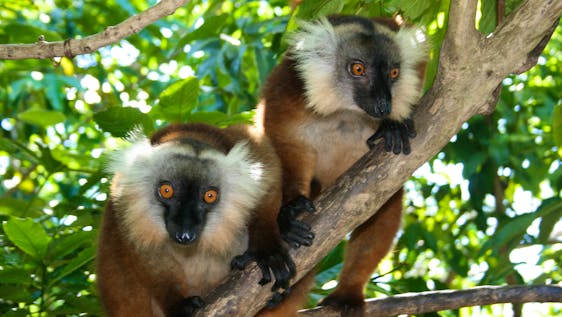
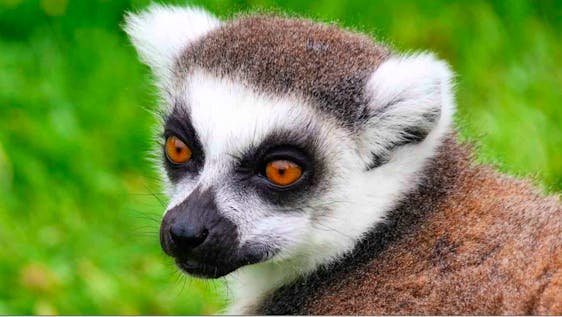
Lemurs are endemic — and highly threatened. As a volunteer, you’ll help with monitoring (sightings, behavior data, GPS tracks), habitat mapping, and school programs. The goal is evidence-based protection with minimal disturbance.
- Learn techniques to measure animals
- Apply them and measure lemurs
- Map lemur habitats
- Collect and quality-check data
- Search for lemurs and other indicator species in the forest
- Deliver environmental education in schools
Marine conservation
Reefs are stressed by overfishing, pollution, and warming. You’ll support coral/fish monitoring, clean-ups, and restoration/reef-nursery modules.
- Record coral diseases
- Compile coral & fish catalogues
- Check ecosystem health status
- Support restoration (e.g., artificial structures)
- Help raise “baby corals”
- Document coral bleaching systematically
Education
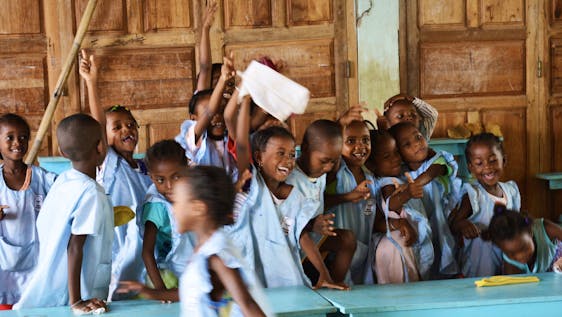
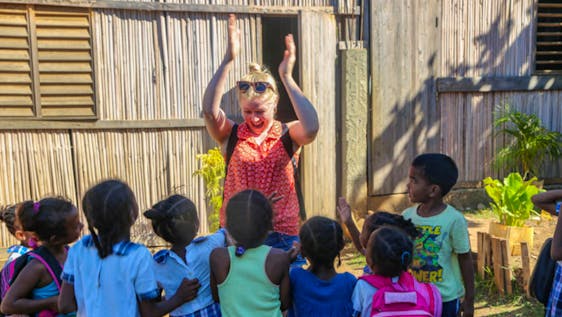
Unequal access to education is a core challenge. You’ll co-teach with local staff, boost conversation and basic grammar, and create simple, reusable materials.
- Support children and adults with English homework
- Run conversation circles using everyday vocabulary
- Explain more complex grammar in a learner-friendly way
- Organize extracurricular activities (reading, sports, clubs)
Social work
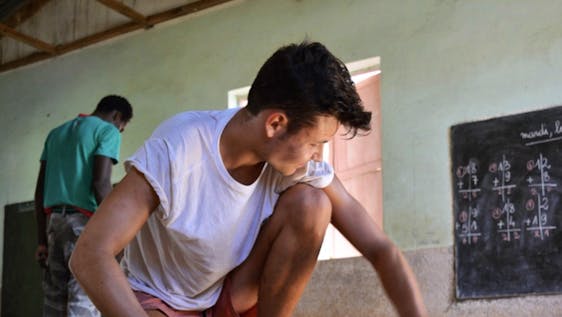
You’ll help deliver practical improvements (water, sanitation, learning spaces) and awareness in communities — always alongside local partners.
- Build/renovate school facilities
- Support wells and sanitation solutions
- Make furniture for classrooms
- Renovate and secure playgrounds
🧭 Choosing your region in Madagascar: Budget, season & project types
| Place/Region | Budget* | Season sweet-spot | Typical project types | Notes/Logistics |
|---|---|---|---|---|
| Antananarivo (Tana) | €€ | Year-round | Teaching, Community/Construction | Urban; coordination & training, near airport |
| Andasibe–Mantadia | €–€€ | May–Nov dry | Lemurs/Wildlife, reforestation, enviro education | Rainforest; high chance to spot indri |
| Ranomafana | €€ | May–Sep | Wildlife monitoring, forest protection | Hilly terrain; cooler than the coast |
| Kirindy/Morondava | €€ | May–Oct | Dry-forest monitoring, baobab corridors | Baobab Alley; dry-forest species |
| Ifaty / Toliara (Southwest) | €€ | May–Nov | Marine, Community | Reefs/seagrass; straightforward logistics |
| Nosy Be & islands | €€€ | Jun–Nov | Reef monitoring, turtle watch, education | More touristy; higher prices/transfers |
| Sainte-Marie (Nosy Boraha) | €€€ | Jun–Sep (whales), Jul–Nov | Marine/land combos, environmental education | Ferry/flight connections; season matters |
| Fort Dauphin (Tolagnaro) | €€ | May–Nov | Reforestation, coastal community | Remote; strong winds possible |
*Budget is a rough relative guide: € (cheaper) to €€€ (more expensive). See “Living costs” for details.
Living costs in Madagascar
The recommended daily budget in Madagascar ranges between 12 and 26 USD. This estimate reflects common expenses you’ll need during your stay and helps you plan your budget.
Concrete benchmarks (indexable): In Antananarivo you can realistically get by on €18–35/day (local transport, guesthouse, local food). In coastal towns, expect around €20–40 (transport, fresh produce, beach locations). On the islands such as Nosy Be or Sainte-Marie, plan for €30–55 (island logistics, boat/flight). Program contributions vary: lemur conservation/marine tend to cost more (field logistics, boats, gear) than teaching/community, which are often more budget-friendly.
Additional costs to consider as a volunteer:
- Program fees
- Flights (find cheap flights to Madagascar)
- Travel insurance (find your travel insurance)
- Visa fees
- Personal expenses
An indicative overview of living costs in Madagascar (USD, per person):


What do program fees usually include?
| Included | Not included |
|---|---|
| Accommodation (hostel/volunteer house/host family) | International flights |
| Orientation & onsite support (coordinator, emergency contact) | Visa fees |
| Some meals (B&B/HB/FB depending on project) | Vaccinations & medical prep |
| Basic project materials, training & briefings | Travel insurance |
| Airport pickup/transfer (project-dependent) | Local transport & leisure activities |
Accommodation & meals
| Type | Description | Notes |
|---|---|---|
| Volunteer house | Dorms/shared rooms, communal kitchen | Social, short commutes; simple standards |
| Host family | Private/shared room in a local household | Cultural immersion, respect house rules |
| Hostel/Lodge | Tourism-oriented, solid infrastructure | More expensive, more comfort |
Good to know before you go
Volunteering abroad means understanding local culture and context — it speeds up integration and helps avoid misunderstandings. Here are a few prep tips.
📅 Seasonal calendar: Best time by region & project
| Month | East coast (rainforest) | West/Southwest (dry zone) | Highlands (Tana/interior) | Good for | Note |
|---|---|---|---|---|---|
| Jan–Mar | Very wet; cyclone risk | Showers; some routes harder | Rain/pleasant | Education/Community, nurseries | Check weather & safety (coast) |
| Apr–Jun | Transition, good for forest work | Drier, good access | Cooler, dry | Lemur monitoring, reforestation, teaching | Generally a great time to travel |
| Jul–Sep | Cooler, mostly dry | Very dry; top conditions | Cool/dry | Wildlife transects, marine, community builds | High season — plan early |
| Oct–Dec | Warmer, rains picking up | Hot; excellent before rains | Warm; thunderstorms possible | coastal/marine, reforestation (first rains), education | Year-end: check prices/availability |
Note: seasons vary by region; project-specific guidance takes precedence.
Safety tips
Madagascar is relatively safe, with localized risks (big cities, remote routes). Travel with verified guides, avoid night travel, and secure valuables.
- In Antananarivo and parts of the south: use verified guides; avoid night travel.
- Lock vehicles; keep valuables out of sight.
- Carry little cash; keep copies of key documents; use a hotel safe.
- Pickpocketing occurs in busy areas/airports.
- Avoid walking at night in cities.
Culture & religion
Madagascar is culturally diverse (Austronesian, African, French influences). Respect, politeness, and observing regional fady (taboos) are key to good collaboration.
- Use the respectful address “Tompoko”; politeness matters.
- Ask about local fady and respect them.
- Ask permission before photos; dress respectfully.
Health tips
Tropical climate & rural settings require prep: safe water, mosquito protection, solid travel insurance, and pre-travel medical advice.
- No tap water; keep strict hygiene.
- Use repellent day & night, sleep under a net; ask about malaria prophylaxis.
- If working with animals, consider rabies vaccination.
Must-pack items
- Light long clothing (sun/mosquitos), rain jacket, sturdy footwear
- Sunscreen, repellent, personal meds, filter bottle
- Headlamp/power bank, dry bag (coast), copies of key documents
- For fieldwork: work gloves, hat, small first-aid kit
Safeguarding & code of conduct
- Child & vulnerable-adult protection first (no unsupervised one-to-one; photo consents).
- Do not touch/feed wildlife; keep distance & quiet.
- Be transparent with donations/fundraising (needs lists, receipts).
- Local leadership decides (ownership); use feedback channels.
Who can volunteer in Madagascar?
Requirements vary by project. Motivation, willingness to learn, and teamwork often matter more than extensive experience.
- Usually 18+ (some projects accept 16–17 with permissions)
- English A2–B1+; some teaching roles need more
- Depending on project: background/health checks, vaccinations
- For underwater modules: Open Water or onsite training
- General fitness for fieldwork (heat, walking, gear)
Documents & checks
| Document | When needed? | Note |
|---|---|---|
| Criminal background check | Working with children/schools | Keep it recent (≤ 6–12 months) |
| Health/vaccination status | Wildlife/field/accommodation | Check project list; plan early |
| Dive certificate | Underwater surveys | Open Water or train locally |
Application & timeline
| When | Step | Details |
|---|---|---|
| 8–12 weeks out | Choose & apply | Availability, passport validity, rough budget |
| 6–8 weeks | Secure place | Deposit, pre-departure pack, start visa check |
| 4–6 weeks | Documents | Background check, vaccinations, insurance, flights |
| 1–3 weeks | Briefings & packing | Online orientation, packing list, SIM/arrival logistics |
Which visa do I need to volunteer in Madagascar?
Visas are a key part of your trip. The pointers below are best practices and not official advice. Always confirm details with your organization and the Malagasy embassy/consulate.
General entry information
- Passport valid for at least 6 months from arrival
- Three blank pages for stamps
- Check if transit visas are required
- Carry a return/onward ticket
Best practice for short-term volunteers
Up to ~90 days, a tourist visa is commonly used (before travel/eVisa/on arrival — depends on nationality). Applying in advance usually saves time.
Best practice for long-term volunteers
For stays over 90 days, you’ll need a special, extendable visa obtained before entry via the embassy. Keep project documents ready.
🧭 How we curate projects
- Ethics & animal welfare: no direct wildlife contact, no feeding/shows; lemur distance rules.
- Safeguarding: child-protection standards, code of conduct, supervision.
- Local ownership: partner NGOs & communities co-design; capacity building over replacement.
- Impact & KPIs: measurable outputs (seedlings, surveys, teaching hours) plus qualitative feedback.
- Training & briefings: onboarding, safety & ethics, clear roles.