
































Volunteer in Mexico
 Waste Reduction
 Animal
 Hotspots
 Shark Conservation
 Ocean Cleaning
 Marine Life
 Activities
 Sea Turtle Conservation
 Oaxaca
 Vegan
Vegan
 Blacktip Reef Shark
 Whitetip Reef Shark
 Beach Cleaning
 Green Sea Turtle
 Puerto Escondido
 Leatherback Turtle
 Education
 Animal Shelter
 Dog
Dog
 Street Animals
 Primary School
 Plastic Reduction
 Language Course
 Spanish Courses
 Environment
 Diving
 Marine Conservation
 Coral Reef
 Snorkeling
Flatback Turtle
Snorkeling
Flatback Turtle
 English Teaching
 Horse
Horse
 Olive Ridley Turtle
 Community
 Social Work
 Ecological Farming
 Reptile Conservation
 Crocodile
 Hawksbill Turtle
 Wildlife Conservation
Horse Conservation
Horse Trekking
Wildlife Conservation
Horse Conservation
Horse Trekking
 Culture and Arts
 PADI Divemaster
 Mangrove
Plant Conservation
Mangrove
Plant Conservation
 Reforestation
 Planting Trees
 Healthcare
 Intern Abroad
 Deer Conservation
 Agriculture
 Nutrition and Food
Teaching Internship
Deer
Nutrition and Food
Teaching Internship
Deer
 Youth Teaching
 Humpback Whale
 Whale Conservation


















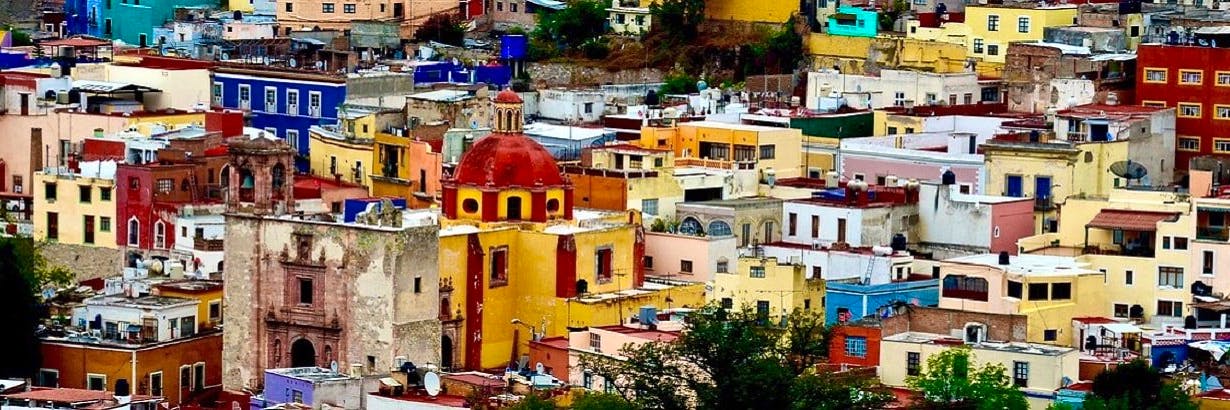
Volunteer work in Mexico
When you think of the “United Mexican States,” your mind probably jumps to iconic food, colorful fiestas, powder-soft beaches, ancient ruins, or the mega-metropolis of Mexico City. What you may not immediately link—until now—is volunteering in Mexico.
Mexico is one of the world’s most visited destinations for good reasons: world-class surf and beaches, tacos and enchiladas, and a spectacular pre-Columbian heritage. The attractions feel endless—so do the opportunities for meaningful volunteer programs in Mexico.
There’s also a more complex reality: deep inequalities between regions, cities, and communities. If injustice motivates you to act, this is your chance to support local people and biodiversity through volunteer work in Mexico.
🇲🇽 What volunteer projects exist in Mexico?
From culture to climate, Mexico is pure variety—and that includes volunteering. Due to unequal access to resources, several areas benefit greatly from international support. As a US citizen, you’ll find a wide range of volunteer opportunities in Mexico that match your goals and timeline. Popular tracks:
- Sea turtle volunteer Mexico (nest monitoring, hatchling escorts, visitor education)
- Community development (youth, women’s empowerment, small-business support)
- NGO support (communications, data, fundraising, operations)
- Teach English in Mexico (schools, community centers, after-school programs)
- Dog rescue volunteer Mexico (shelter care, socialization, adoption profiles)
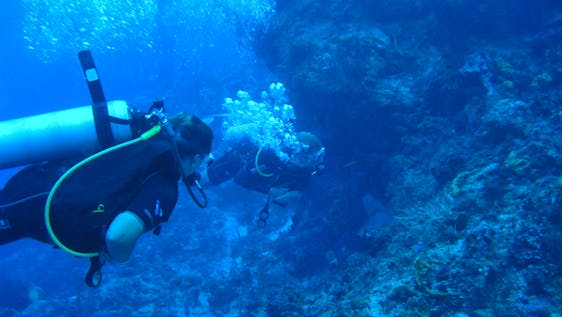
- Mexico marine conservation volunteer (reef monitoring, photo-ID, beach & seagrass management)
- Public health & pre-med shadowing (where permitted, under supervision)
- Construction/renovation, permaculture & urban gardening
🧩 Which skills fit which program? — Quick Match Matrix
Use this to zero in fast—whether you want sea turtle conservation in Mexico, dog rescue volunteer Mexico, a medical or public-health placement, or to teach English in Mexico.
| Your profile | Recommended programs | Location tips | Notes |
|---|---|---|---|
| Early riser, beach-ready | Sea turtle conservation, coastal monitoring | Oaxaca Coast, Riviera Maya (Quintana Roo) | Sunrise/sunset patrols; red-light headlamp |
| Animal-loving, patient | Shelter (dogs/cats), Dog Rescue | Mexico City (CDMX), Mérida, Puerto Vallarta | Leash training, enrichment, adoption content |
| Data/f Research | Marine mammal photo-ID, coral/reef projects | Baja California Sur, Riviera Maya | Logbooks, citizen science, boat surveys |
| Language & pedagogy | English teaching, youth programs | Chiapas, Oaxaca, CDMX | Lesson plans, pronunciation, goals & checks |
| Pre-med/health | Public health, clinical observation | CDMX, Mérida | Shadowing, prevention, vitals (where permitted) |
| Hands-on outdoors | Build/renovate, permaculture/gardening | Chiapas/Oaxaca/coast communities | Basic tools, safety, team coordination |
🐢 How can I help protect sea turtles in Mexico?
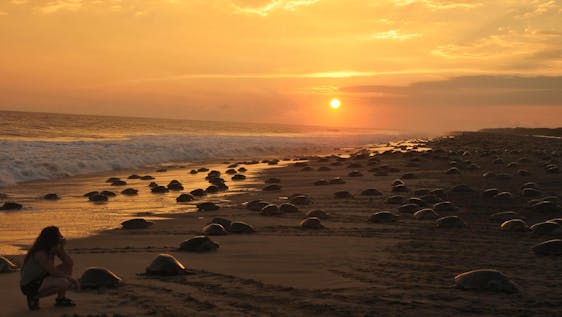
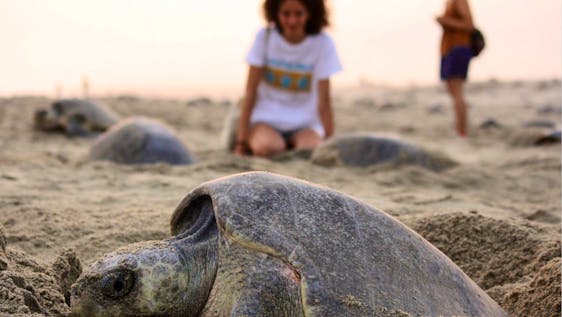
Mexico’s biodiversity is off-the-charts: rainforests, coral reefs, cenotes, mountains, and deserts. With 10,000+ km of coastline across the Gulf of Mexico, Caribbean, and Pacific, the country provides feeding and nesting habitat for six of the world’s seven sea turtle species.
Federal protections exist (thousands of species protected; large tracts set aside), yet turtles remain threatened by habitat loss, reef stress, predation, and—critically—human behaviors. That’s why sea turtle volunteer Mexico projects need committed field support and smart visitor education.
As a volunteer with Sea Turtle Conservation, you might:
- Patrol beaches at dawn/dusk; identify tracks and nests
- Record GPS coordinates; install protective cages/signage
- Escort hatchlings at night; minimize light pollution
- Move at-risk clutches to hatcheries (when protocols require)
- Collect standardized data; help with photo sorting
- Run short awareness talks for visitors and local businesses
- Assist with rehab and basic care (under supervision)
Peak nesting/hatching often runs July–October (varies by beach). Expect early starts, sand, and serious impact.
👩🏻🤝👨🏿 Community projects: where can I help most?
Rural regions—especially in the south—face limited infrastructure and fewer services. Community roles for US volunteers often include:
- Women’s entrepreneurship workshops; micro-business marketing
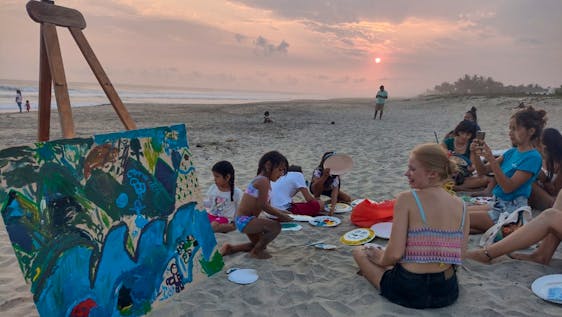
- Youth mentorship, homework clubs, sports & arts
- Small renovations: learning spaces, community gardens
- Digital skills training and content creation
Choose partners with clear safeguarding standards, defined objectives, and a handover plan.
💪🏼 NGO support: boost local capacity
Inequality can’t be solved without strong organizations. With NGO Support in Mexico, contribute where US volunteers can add long-term value:
- Data collection and cleaning; simple dashboards
- Communications (photo/video stories, newsletters)
- Grant research; impact logic (theory of change)
- Volunteer coordination support and SOPs
👩🏻🏫 Teach English in Mexico
Education gaps persist in rural/low-resource schools. As a volunteer English teacher, you’ll build confidence and employability—especially in tourism hubs (Cancún/Playa del Carmen, Mérida) and in highland cities.
- Conversational English, pronunciation drills, vocabulary
- Simple assessment: participation, progress trackers
- Integrate environmental topics (plastic, reefs, wildlife)
🎓 Internships for US students (credit-friendly)
Mexico is a strong fit for pre-med, biology/environmental, education, communications, and social work. Many US universities accept supervised placements toward credit. Confirm requirements (hours, supervision, deliverables) with your advisor in advance; organizations can often provide letters and evaluations.
🗺️ Mexico volunteer hotspots: seasons, specialties & insider notes
Oaxaca Coast — turtle central
Sea turtle volunteer Mexico with nest protection, hatchery support, and visitor management. Season roughly May–Dec (local variance). Quiet beach towns, tight community, great for first-timers.
Riviera Maya (Quintana Roo) — reefs, beaches & education
Snorkel-based reef monitoring, beach & seagrass management, environmental talks in tourist areas. Pair with Teach English in Mexico in Playa/Cancún.
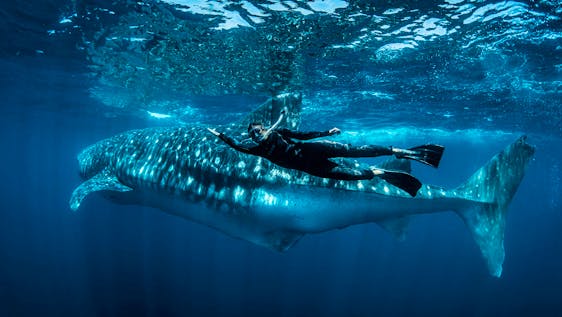
Baja California Sur — whale sharks & sea lions
Photo-ID, boat surveys, logbooks (weather-dependent). Perfect for Mexico marine conservation volunteer placements with clear protocols.
Chiapas — community & indigenous culture
Women’s programs, youth centers, bilingual materials. High social impact if you commit 4–8+ weeks.
Mexico City (CDMX) — NGO back-office, teaching & media
Huge variety: Dog Rescue volunteer Mexico, NGO communications, public-health observation, and English/soft-skills workshops. Excellent transport and briefings.
Michoacán — monarch butterflies (seasonal)
Monitoring, visitor flows, environmental education in the biosphere reserve (strict protection rules).
Yucatán (Mérida) — safe, cultural, animal welfare
Dog rescue, community education, and heritage sites; good base for US families or first-time travelers.
Jalisco (Puerto Vallarta) — coastal shelters & youth
Dog/cat shelters, adoption events, youth engagement; weekend marine day trips possible.
📈 Simple impact framework (so your work is measurable)
- Baseline & goals: record starting values (nests/section; adoptions/month) and define realistic monthly goals.
- Standardized logging: date/location/task/KPI/comments; quick daily debrief.
- Ethics & quality: no-handling wildlife, safeguarding for minors, checklists for each task.
- Reporting: weekly summary + photo evidence (no sensitive GPS), monthly mini-report.
| Date | Site/Program | Task | KPI | Notes |
|---|---|---|---|---|
| — | Oaxaca / Beach X | Patrol | 3 nests secured | Red-light ok; visitor briefing done |
| — | CDMX / Shelter | Socialization | 2 dogs leash-walked 10 min | Adoption photos uploaded |
| — | Baja / Survey | Photo-ID | 5 sightings | Calm seas; data synced |
🤑 What does it cost to live in Mexico as a volunteer?
A realistic personal budget is US$ 23–53/day (region & lifestyle dependent). Plan for program fees, flights, insurance, and weekend trips.
Typical extras:
- Program fees
- Flights (find affordable US–Mexico flights)
- Travel insurance (what to consider)
- Visa/entry fees (if applicable)
- Personal expenses
Handy cost snapshot (USD, per person):


💲 Are there free volunteer programs in Mexico?
A handful exist, usually with self-arranged housing/meals. Use budget filters and read inclusions carefully. Need help? Our live chat can shortlist options based on your budget and travel window.
💡 Know before you go (US edition)
- Time zones: Mexico spans multiple zones; many destinations align with US Central or Mountain time—handy for remote check-ins.
- Flights from the US: frequent nonstops from LAX, SAN, SFO, DEN, DFW, IAH, ATL, MIA, JFK, EWR, ORD to Cancun, Mexico City, Mérida, Guadalajara, Puerto Vallarta, Los Cabos, etc.
- Payments: Cards widely accepted in cities/tourist hubs; carry small MXN cash for rural areas. ATMs in bank branches preferred.
- Connectivity: US carriers offer Mexico roaming add-ons; offline maps help in rural zones.
Culture & etiquette
- Warm & direct: friendly nicknames are common and usually affectionate.
- Pace: processes can be slower—patience is a superpower.
- Respect: modest dress in religious sites; polite forms of address with elders.
🛡️ Safety, short & sweet
- Transport: licensed taxis/ride-hailing; avoid late-night travel where possible.
- Money: use ATMs by day at bank branches; keep valuables discreet.
- Fieldwork: night patrols in teams only; use red light; never post nest coordinates.
- Emergency: 911 nationwide (police/fire/medical).
Health tips for US volunteers
Update routine vaccines 4–6 weeks before travel. See CDC travel health for current guidance.
- MMR, Tdap, Varicella, Polio, Influenza (as indicated)
- Often recommended: Hepatitis A and Typhoid (check CDC)
- Altitude: Mexico City/highlands can cause headaches/shortness of breath—ascend gradually, hydrate
- Mosquito avoidance: repellent, long sleeves, and safe water in jungle/coastal regions
- Pregnancy & Zika: discuss current risks with your clinician
🗓️ Weekend ideas (sustainable & close to base)
- Oaxaca Coast: sunrise bay, Puerto Escondido market, eco-boat (no-touch wildlife), turtle talk at sunset
- Riviera Maya: cenote swim, guided reef snorkel, late-day Maya ruins
- Baja: La Paz malecón, museum/photo workshop, coastal hike
- Chiapas: indigenous market, weaving co-op, small-group waterfall visit
- CDMX: historic center, museum loop, street-food tour with social co-ops
Must-pack basics
- Sun & insect protection (reef-safe sunscreen where applicable)
- Lightweight long sleeves
- Breathable layers, light rain shell, sturdy shoes
- Copies of essentials (passport, insurance, emergency contacts)
🎒 Packing by biome: coast, highlands, desert
Coast/Reef
- Red-light headlamp, water shoes, UV rash guard, dry bag
- Reef-safe sunscreen, spare power bank
Highlands (CDMX/Chiapas)
- Light down/thermal layers, electrolytes
- Comfy shoes for workshops/city walking
Baja (desert/sea)
- Sun hat, SPF lip balm, thin gloves
- Windbreaker for boat days
🕵🏽♂️ Who can volunteer in Mexico?
- Age: often 18+ (some 16+ with parental consent)
- Language: basic English typically sufficient; Spanish helps a lot outside major cities
- Docs: background check and health clearance may be required (US volunteers: a state check or FBI Identity History Summary can be ideal—confirm with your host)
- Fitness: for field roles (beach/boat), basic swimming and heat tolerance recommended
❓ How do I start (US checklist)?
- Match your skills to program requirements (duration, season, supervision)
- Choose your base (airport access, climate, weekend options)
- Confirm expectations with the host (duties, training, safety, housing)
- Arrange insurance and documents; book flights
- Complete pre-arrival briefings; download offline maps; set up roaming
Insurance (strongly recommended)
Most hosts require medical & travel insurance that covers volunteering, fieldwork, and evacuation. US providers often offer Mexico add-ons—compare coverage limits and exclusions.
💬 Mini Spanish for volunteers
- Buenos días / buenas tardes — Good morning / afternoon
- ¿Puedo ayudar? — Can I help?
- ¿Dónde está el centro / la playa de patrulla? — Where is the center / patrol beach?
- Por favor, luz roja por la noche. — Please use red light at night.
- ¿Tiene preguntas sobre el proyecto? — Do you have questions about the project?
🛂 Entry & stays for US citizens (read before you book)
Many US citizens enter Mexico visa-free for up to ~180 days for tourism/business. Program tasks, duration, and location can affect your status. Always confirm with your host and the Mexican authorities before travel.
- Passport: valid at least 6 months beyond departure; keep 2 blank pages
- Return ticket: often requested by airlines/immigration
- Immigration form: paper FMM is being phased out in some areas; follow local guidance
- Longer stays/specific activities: verify current rules with your host and the nearest Mexican consulate
❓ FAQs — US volunteers in Mexico
Are there volunteer opportunities in Cancún or Playa del Carmen?
Yes—primarily coastal & reef conservation plus English/eco-education. Choose partners with clear protection protocols and visitor management.
Do I need a dive certification for reef projects?
Not for snorkel-based monitoring. Specific underwater tasks may require SSI/PADI—see each program page.
Can I combine marine conservation with teaching?
Often yes (e.g., coast + environmental education). Plan at least 4–6 weeks for real continuity.
What’s the safest way to move around?
Daytime intercity buses or flights; licensed taxis/ride-hailing in cities; avoid late-night travel; use bank-branch ATMs by day.
What about phone/data for US travelers?
Most US carriers include Mexico roaming add-ons; download offline maps; consider a local eSIM if staying long.
How sustainable are these programs (CO₂, plastics, animal welfare)?
Refill systems, waste sorting, no-handling wildlife rules, and local partnerships are standard. You’ll actively reduce footprint and drive awareness.
Where are the best places to volunteer in Mexico?
Oaxaca Coast (turtles), Riviera Maya (reef/education), Baja (whale sharks/sea lions, photo-ID), Chiapas (community), Mexico City (NGO/shelters/teaching), Michoacán (monarchs), Yucatán & Jalisco (dog rescue, youth).
How much should I budget per day?
~US$ 23–53/day personal spend (region & season). Add program fees, flights, insurance, and weekend travel.
Do I need Spanish?
Basic English often works; survival Spanish helps a lot—especially in rural/community work. Some programs include Spanish lessons.
What background check is acceptable for US volunteers?
Hosts may accept a state background check or an FBI Identity History Summary. Ask your coordinator which they prefer and how recent it must be.
Can my volunteer work count as an internship for US credit?
Frequently, yes—especially in biology/environment, education/social work, and communications/NGO. Confirm with your US university (hours, supervision, deliverables) and request evaluation letters from your host.
What should I pack for coast vs. highlands vs. Baja?
Coast/Reef: red-light headlamp, water shoes, UV top, dry bag, reef-safe sunscreen. Highlands: light down, layers, electrolytes. Baja: sun hat, SPF lip balm, thin gloves, windbreaker for boats.
How do I measure my impact?
Use the simple framework above: baseline, goals, standardized data, weekly debrief, monthly mini-report (no sensitive GPS in photos).
What’s the emergency number in Mexico?
911 for police/fire/medical nationwide.