
















Volunteer in South Africa
 Activities
 Rhino Conservation
 Lion Conservation
 Elephant Conservation
 Animal
 Antelope Conservation
 Wildlife Conservation
 Hotspots
 Southwest African Lion
Black Rhino
Southwest African Lion
Black Rhino
 White Rhino
 Giraffe Conservation
 Anti Poaching
 Leopard Conservation
 African Leopard
 Bush Elephant
 African Elephant
Masai Giraffe
African Elephant
Masai Giraffe
 Planting Trees
 Kruger National Park
 Tiger Conservation
 Cheetah Conservation
 South African Cheetah
Bengal Tiger
South African Cheetah
Bengal Tiger
 Zebra Conservation
 Buffalo Conservation
 African Buffalo
 Kudu
Kudu
 Impala
 Hyena Conservation
 Spotted Hyena
 Mountain Zebra
 Bushbuck
 Premium
 National Park
 Southern Giraffe
 Cape Town
 Monkey Conservation
 Safari
 Shark Conservation
West African Lion
Masai Lion
Shark Conservation
West African Lion
Masai Lion
 Community
 Childcare
 Vegan
Vegan
 Primate Conservation
 Baboon
 Bird Conservation
 Education
 Caracal Conservation
 Whale Conservation
 Caracal
 Dolphin Conservation
Springbok
Dolphin Conservation
Springbok
 Meerkat Conservation
 Meerkat
 Plains Zebra
 Ray Conservation
 Marine Life
 Animal Sanctuary
Eland Antelope
Animal Sanctuary
Eland Antelope
 Warthog Conservation
Common Warthog
Warthog Conservation
Common Warthog
 Jackal Conservation
Black-backed Jackal
Jackal Conservation
Black-backed Jackal
 Great White Shark
 Mako Shark
 Mongoose
 Mongoose Conservation
 Port Elizabeth
 English Teaching
 Vervet Monkey
 Sports
 Horse
Horse
 Wildcat Conservation
 Ragged Tooth Shark
 Hippo Conservation
South African Hippo
Hippo Conservation
South African Hippo
 Penguin Conservation
African Penguin
Penguin Conservation
African Penguin
 Diving
 Diving certificate
Black Wildebeest
Diving certificate
Black Wildebeest
 Owl
Owl
 Yoga
Yoga
 Soccer
 Basketball
 Volleyball
Ostrich
Genet
Volleyball
Ostrich
Genet
 Waste Reduction
 Shark Tagging
 Hammerhead Shark
 Sting Ray
 Beach Cleaning
 Thresher Shark
Eagle Ray
Thresher Shark
Eagle Ray
 Primary School
 Southern Right Whale
 Bottlenose Dolphin
 Humpback Whale
Humpback Dolphin
Brydes Whale
Blue Whale
Humpback Whale
Humpback Dolphin
Brydes Whale
Blue Whale
 Common Dolphin
 Marmoset
Serval
Bush Baby
Marmoset
Serval
Bush Baby
 Reptile Conservation
 Crocodile
 Surfing
 Badger Conservation
Honey Badger
Badger Conservation
Honey Badger
 Horse Sanctuary
 Intern Abroad
 Street Animals
 Environment
 Animal Shelter
Sumatran Tiger
Animal Shelter
Sumatran Tiger
 Nyala
Nyala
 Capuchin Monkey
 Eagle
Eagle
 Parrot
 Waterbuck
 Tortoise Conservation
 Duiker
 Cockatoo
 Kangaroo Conservation
 Wallaby
 Giant Tortoise
 Blesbok
 Macaw
Horse Trekking
Macaw
Horse Trekking
 Veterinary Training
 African Wild Dog Conservation
Brown Hyena
African Wild Dog Conservation
Brown Hyena
 Otter Conservation
 Elusive Pangolin
Pangolin Conservation
Elusive Pangolin
Pangolin Conservation
 Manta Ray
 Marine Conservation
 Sea Turtle Conservation
 Green Sea Turtle
 PADI Divemaster
 Coral Reef
 Tamarin
 Squirrel Monkey
 Giant Otter
 Bat Conservation
Bat
African Wildcat
Bat Conservation
Bat
African Wildcat
 Lemur
Lemur
 Leopardus Conservation
 Ocelot
Cape Wild Dog
Blue Wildebeest
Horse Conservation
Ocelot
Cape Wild Dog
Blue Wildebeest
Horse Conservation
 Dog
Dog
 Cats
Cats
 Sugar Glider Conservation
Sugar Glider
Sugar Glider Conservation
Sugar Glider
 Elephant Research
 Aardvark
 Tubulidentata Conservation
 Plettenberg Bay
East African Wild Dog
Plettenberg Bay
East African Wild Dog
 Nursing Internship
 Midwifery Internship
 Healthcare
 Medical Training
 Youth Teaching
 Conservation Work
Mona Monkey
Conservation Work
Mona Monkey
 Macaque
 Patas Monkey
 Social Work
 Tanzanian Cheetah
Sea Otter
Tanzanian Cheetah
Sea Otter
 Transvaal Lion
 Knysna
 Great Apes Conservation
 Chimpanzee
 Netball
 Orca
Orca
 Plastic Reduction
Fin Whale
Long-beaked Common Dolphin
Plastic Reduction
Fin Whale
Long-beaked Common Dolphin
 Human Rights
 Elderly Care
 Working with Seniors
 Northwest African Cheetah
 Günthers Dik-Dik
 Blacktip Reef Shark
 Beehive
Bee Conservation
Beehive
Bee Conservation
 NGO Support
 Physical Therapy Internship
 Special Needs
Teaching Internship
Special Needs
Teaching Internship
 Psychology Internship
 Ecological Farming
 Business Development
 Chameleon
 Marketing and IT
Short-beaked Common Dolphin
Marketing and IT
Short-beaked Common Dolphin
 Tennis
 Theater
 NGO Management
 Pelagic Shark
 Golden Jackal
 Wolf Conservation
 Grey Wolf
 Husky
Husky
 Amur Tiger
 Side-striped Jackal
African Black Eagle
Side-striped Jackal
African Black Eagle
 Photography Internship
 Volunteer and Travel
Spinner Dolphin
Volunteer and Travel
Spinner Dolphin
 Voluntourism

















How to volunteer in South Africa
Thinking about doing something meaningful on your next break? Volunteer in South Africa — a “Rainbow Nation” of dramatic coastlines, iconic wildlife, majestic mountains, and vibrant cities like Cape Town and Johannesburg. From teaching and community work to public health, environmental projects, marine conservation, and wildlife protection, there’s a program that fits your skills and goals.
This guide blends practical planning tips with local insights — tailored for US travelers — to help you find the right South Africa volunteer program and prepare for a safe, ethical, and impactful stay. Leave time to explore South Africa’s landscapes and culture — from Plettenberg Bay and the Garden Route to the Drakensberg and the famous Kruger region.
🇿🇦 Why Volunteer in South Africa?
South Africa is one of Africa’s most developed countries — yet stark inequalities persist. Many townships and rural communities face limited access to quality education, healthcare, and dignified jobs. At the same time, world-class biodiversity on land and sea needs sustained protection.
As a volunteer, you can contribute to:
- Education equity (classroom support, after-school programs, life skills)
- Community development (youth empowerment, women’s livelihood initiatives)
- Public health (health education, clinic support under supervision)
- Wildlife & marine conservation (monitoring, non-contact research, habitat restoration)
- Environmental resilience (reforestation, invasive-species control, water access)
🧭 US Traveler Essentials (Fast Facts)
- Flights: Seasonal US nonstops typically operate to Johannesburg/Cape Town from major hubs (e.g., Atlanta, Newark), plus one-stop options via Europe/Middle East. Book early for peak seasons.
- Time zones: South Africa (SAST) is usually +6 to +7 hours ahead of US Eastern Time (SA has no daylight saving).
- Money: South African rand (ZAR). Chip-and-PIN/contactless cards work widely in cities; carry small cash for rural areas. ATMs in bank branches are best.
- Power: 230V / 50Hz. Plugs Type M (and newer Type N). Bring a universal adapter and check devices are dual-voltage.
- Phones & SIM: eSIM and prepaid SIMs (RICA registration with passport). Networks: Vodacom, MTN, etc. Wi-Fi common; load-shedding (planned power cuts) still occurs — pack a power bank.
🔎 How to Choose the Right Program
- Impact & ethics: Prefer locally led partners with community MOUs, transparent goals, monitoring, and safeguarding.
- Skills match: Align tasks with your background (e.g., TEFL for teaching; health studies for clinic support; GIS/fieldwork for conservation).
- Seasonality: Sync with school terms, whale season, the Sardine Run, or dry-season wildlife surveys.
- Commitment: Where continuity matters (schools/clinics), aim for 6–12 weeks. US “alternative spring break” works for short intros.
- Support & safety: Confirm orientation, supervision, safeguarding, and emergency protocols in writing.
🌍 Where to Volunteer in South Africa (2026)
Match your interests to these regional strengths:
- Cape Town (Western Cape) — Education, community work, marine conservation (penguins, seabirds), urban development.
- Plettenberg Bay & Garden Route — Community, coastal & marine projects, biodiversity corridors.
- Port Elizabeth (Gqeberha) (Eastern Cape) — Marine research, beach cleanups, youth programs.
- Johannesburg & Pretoria (Gauteng) — Urban education, youth mentorship, social enterprises.
- Kruger region (Mpumalanga/Limpopo) — Wildlife monitoring, anti-poaching support (non-enforcement), habitat work.
- KwaZulu-Natal (Durban & North Coast) — Community health, coastal & marine projects, turtle/whale season windows.
- Drakensberg — Environmental restoration, trail & watershed projects, outdoor education.
- Winelands (Stellenbosch, Franschhoek) — Community & education initiatives, food security gardens.


📅 Best Time to Volunteer in South Africa — by Region & Hotspot
The best time to volunteer varies by region, weather pattern, and project seasonality (whales, Sardine Run, dry-season wildlife). Use this table to align dates with field conditions and school terms.
| Region | Hotspots (linked) | Best Time | Notes & Project Tips |
|---|---|---|---|
| Western Cape | Cape Town, Garden Route (Plettenberg Bay) | Oct–Mar (summer); Whales: Jun–Nov |
Summer suits community & marine projects. Whale season boosts marine monitoring & rescue readiness. |
| Eastern Cape | Port Elizabeth (Gqeberha), Wild Coast | Oct–Apr; Sardine Run: Jun–Jul |
Warmer months favor coastal & youth projects. Sardine Run creates unique marine windows (weather dependent). |
| Gauteng | Johannesburg, Pretoria | Year-round | Urban education & social programs run all year; afternoon storms in summer (Nov–Mar). |
| Kruger / Lowveld | Kruger region, Greater Kruger | May–Oct (dry season) | Dry months favor wildlife monitoring & visibility; some areas have malaria risk — plan prophylaxis. |
| KwaZulu-Natal | Durban, North Coast | Apr–Oct; Turtles: Nov–Feb |
Cooler, drier period suits coastal & community; turtle nesting patrols often Nov–Feb (project-specific). |
| Drakensberg | uKhahlamba-Drakensberg Park | Mar–May; Sep–Nov | Mild conditions for trail restoration, watershed, and outdoor education projects. |
| Northern Cape | Kalahari, Namaqualand | Apr–Oct | Best for arid-zone habitat work; wildflower season (Aug–Sep) suits eco-education. |
Note: Urban projects (teaching, social work, public health) run year-round. Wildlife & marine work follows seasonal windows (dry season, whales, turtle nesting). Confirm with your host’s project calendar.
What Do Volunteers Do in South Africa?
Whether you’re a teacher seeking classroom experience, a public-health student, a conservation enthusiast, or a hands-on community builder — there’s a meaningful way to contribute.
- Teaching & after-school support
- Community service & youth development
- Child care (community-based)
- Women’s empowerment & livelihoods
- Medical & public health (under supervision)
- Environmental & reforestation projects
- Wildlife conservation and animal care (ethical sanctuaries) in South Africa
- Shark & Marine conservation (sharks, whales, penguins, seabirds)
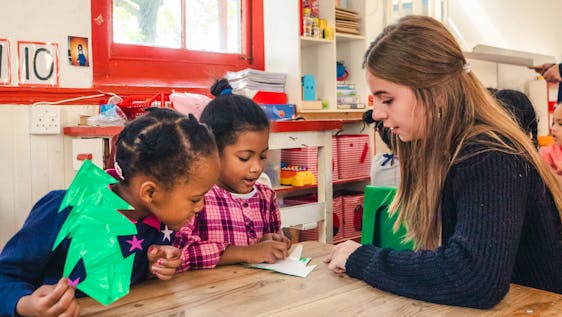
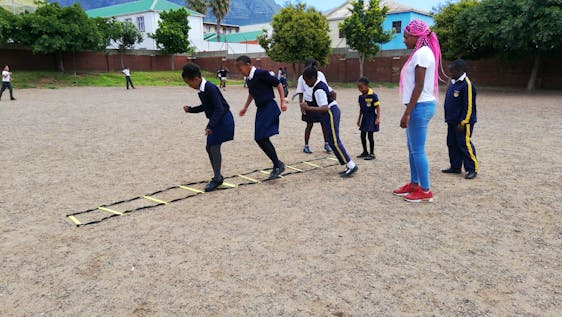
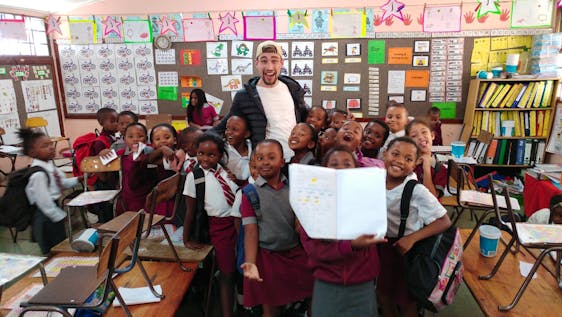
👩🏽🏫 Teaching & After-School Programs
Support English, maths, science, sports, or arts; assist local teachers, run after-school clubs, and mentor one-to-one. Where possible, enrich curricula with digital literacy and soft skills.
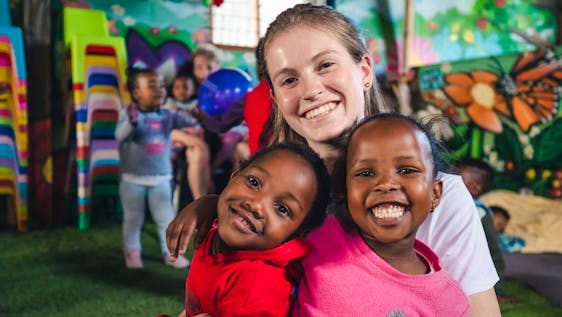
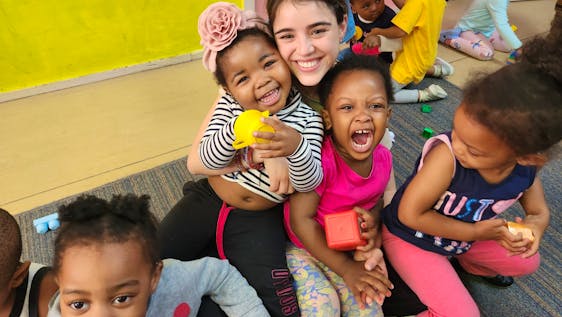
👧🏽 Community, Child Care & Women’s Empowerment
Facilitate skills workshops, assist childcare centers, mentor youth, and support women’s livelihood projects. For roles involving children or survivors, relevant training, background checks, and supervision are essential.
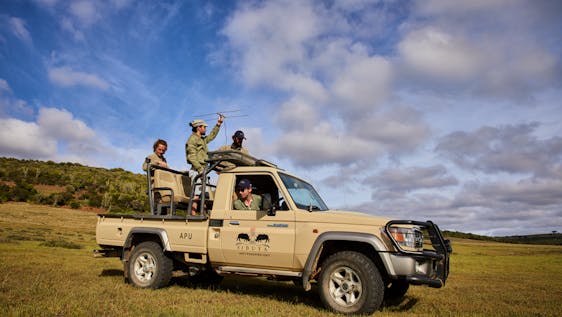
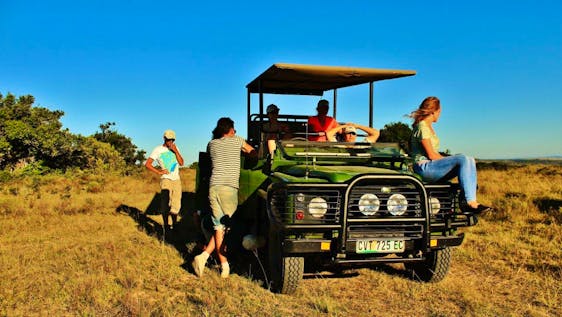
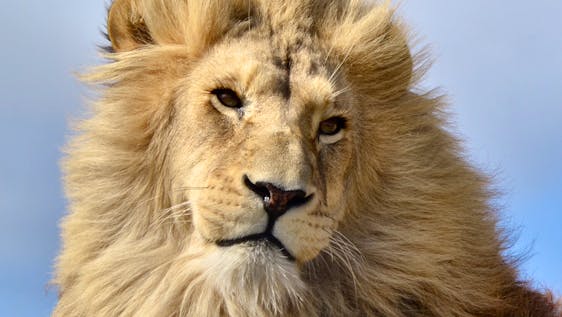
🦁 Wildlife Conservation (Non-Contact)
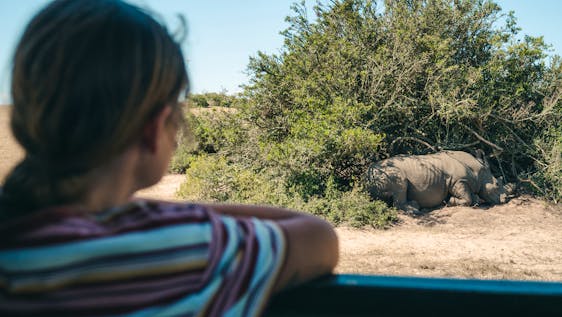
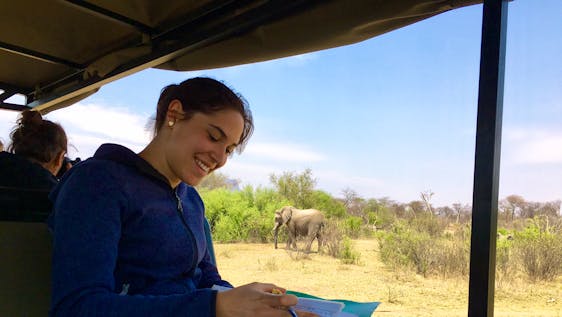
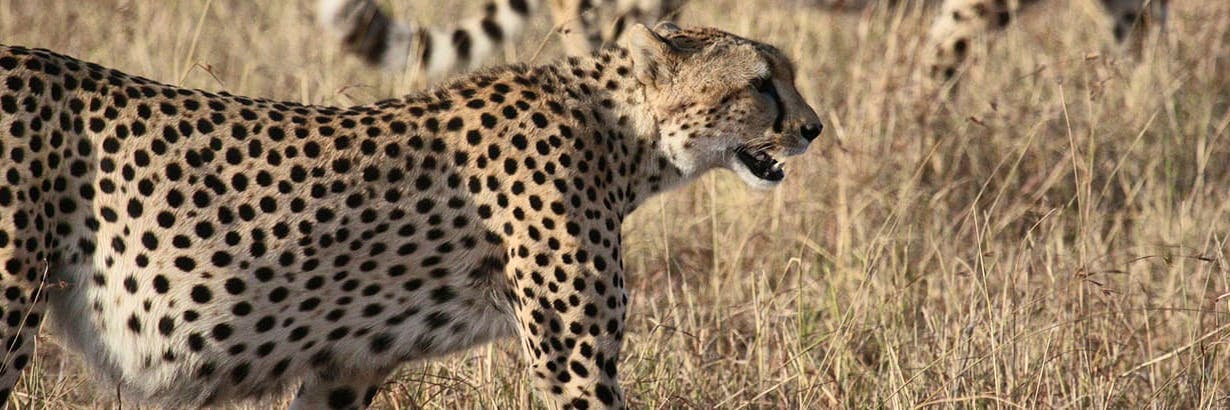
Contribute to wildlife monitoring, camera-trap surveys, habitat restoration, and data collection for species such as elephants, lions, big cats, rhinos, giraffes, and antelopes. Ethical projects avoid cub-petting and direct interaction with healthy wild animals.
🐳 Marine Conservation
In Cape Town and the Eastern Cape, support penguins & seabird rehabilitation, beach surveys, marine debris monitoring, and (project-specific) shark/whale research logistics. Public outreach helps build ocean stewardship.
🌿 Environmental Projects
Join reforestation, invasive-species removal, permaculture & food gardens, watershed work, and climate-resilience education. Land-use change and water stress make ecosystem restoration critical.
📈 Signs of Responsible Impact
- Community-defined goals and local leadership
- Orientation, safeguarding, named supervisor
- Tracked outputs (e.g., hours tutored, trees planted) and regular reporting
- Clear handover notes and continuity plan
🎓 US Volunteer Tracks (Students & Professionals)
- Pre-med/Public Health: clinic observation, health education, data (scope of practice limits apply).
- Pre-vet/Animal Care: ethical sanctuary support (non-contact with wildlife; husbandry for non-releasable animals).
- Education majors: classroom assistance, literacy interventions, lesson planning, monitoring & evaluation.
- STEM/GIS: biodiversity monitoring, data cleaning, dashboarding, mapping.
- Alt Spring Break / J-Term: 1–2 week “intro” placements (community & conservation). For impact, consider 4–6+ weeks.
⏱️ Duration & 💸 Costs
Duration: Short stays (1–2 weeks) offer a first look; 6–12 weeks often deliver the best continuity — especially in schools, clinics, and research teams.
Budget: Daily living is relatively affordable. Program fees often include accommodation and sometimes meals; flights, visas, insurance, and vaccinations are extra.
| Placement Type | Typical Daily Budget* | Key Cost Drivers |
|---|---|---|
| Community / Teaching (rural) | US$25–45 | Simple housing, local meals, lower transport |
| Community / Teaching (urban) | US$35–60 | City housing, commuting, higher food costs |
| Wildlife conservation | US$45–90 | Remote bases, vehicles, field staff, permits |
| Marine conservation | US$50–100 | Diving gear/boats (if applicable), safety staff, training |
*Excludes flights, visas, comprehensive insurance, and vaccinations. Your host can provide a program-specific budget.


💲 Can I Volunteer in South Africa for Free or Low Cost?
Some community and education projects are free or low-cost, though you’ll still cover flights, visas, and insurance. Fee-based programs help fund local operations, coordination, and housing. Consider fundraising, alumni discounts, or US campus micro-grants to reduce costs. Ask employers about matching gifts or volunteer grants.
💡 Good to Know Before You Go (US Edition)
- Application timeline: Start 6–8 weeks out (background checks, vaccinations, documents). J-Term and summer fill quickly.
- Connectivity: eSIM/SIM at airport or in town (passport required). Save offline maps (city + trail areas).
- Payments: No-foreign-fee card helps; notify bank. Tipping: ~10–15% at restaurants; small tips for car guards/petrol attendants are customary.
- Load-shedding: Expect scheduled outages. Bring a headlamp, battery bank, and offline files.
🦺 Safety & Health
- Use licensed transport or vetted ride-hailing. Avoid isolated areas after dark; keep valuables discreet.
- Follow vaccination and malaria guidance (risk in parts of Mpumalanga/Limpopo & northern KZN).
- Drink treated/bottled water; wash produce; use sun & mosquito protection.
- Comprehensive travel & international health insurance is required by most hosts (verify med-evac coverage).
- Emergency numbers: 112 (mobile), 10111 (police), 10177 (ambulance).
Health Tips (CDC-style checklist)
- Update core vaccines (e.g., MMR, Tdap) and recommended ones (Hep A, Typhoid). Project-specific: rabies pre-exposure for wildlife roles; malaria prophylaxis in risk zones.
- Pack a small first-aid kit; bring prescriptions in original containers; carry copies of key medical docs.
Packing Essentials
- Passport, visa docs (if applicable), insurance; digital & paper copies.
- Sun protection, reusable bottle, quick-dry clothing, modest attire for community work.
- Layers for variable conditions; rain jacket; sturdy closed-toe shoes.
- Daypack, small lock, universal adapter, power bank, headlamp.
📑 US Docs, Background Checks & Insurance
- Background checks: Many hosts accept a state check or an FBI Identity History Summary. Confirm recency requirements.
- Health clearance: TB screening or proof of immunizations may be requested for school/clinic roles.
- Insurance: Ensure medical, evacuation, repatriation, and personal liability coverage for volunteering.
- Tax note: Donations to a US 501(c)(3) may be tax-deductible, but program fees and travel typically aren’t. Consult a tax professional for personal advice.
🕵🏽♀ Who Can Volunteer in South Africa?
- 18+ years for most programs (some accept 16–17 with parental consent).
- Basic English required; local languages a plus.
- Background check and basic health clearance may be required.
- Role-specific qualifications for medical, safeguarding, and specialized conservation roles.
❓ How to Volunteer in South Africa (US Checklist)
- Check fit: Review requirements, supervision, and tasks for your chosen program.
- Pick location & season: Urban vs. rural; align with the best-time table and your US academic calendar.
- Confirm with the organization: Align expectations, schedule, training, and safeguarding in writing. Request a pre-arrival briefing.
- Book travel & insurance: Compare flight routes (nonstop or one-stop), and secure comprehensive coverage.
- Prep documents: Background check, health forms, references; load offline maps; share itinerary with family.
🛂 Do I Need a Visa to Volunteer in South Africa?
Many US citizens receive visa-exempt entry or a visitor/holiday visa for up to 90 days. Longer stays generally require a volunteer (temporary residence) visa via a South African embassy/consulate. Requirements commonly include:
- Passport valid 6+ months beyond entry (with blank pages)
- Return/onward ticket & supporting documents from your host organization
- Proof of sufficient funds and comprehensive insurance
Visa rules can change — confirm with your host and the nearest South African embassy/consulate before travel.
Ready? Compare programs, destinations & timing — and start your South Africa volunteer journey with purpose and impact.
Fun Facts About South Africa
- South Africa recognizes 11 official languages (and many more spoken).
- The South African wine industry is among the world’s oldest outside Europe.
- Table Mountain is ~260 million years old with 900+ hiking routes.
- Nelson Mandela and Desmond Tutu once lived on the same street in Soweto.
Compare South Africa Volunteer Program Types
| Program Type | Best Regions | Ideal Duration | Typical Daily Budget* | Skills & Requirements | Example Tasks |
|---|---|---|---|---|---|
| Teaching & After-School | Cape Town, Johannesburg, Garden Route | 6–12 weeks | US$35–60 | Basic English; TEFL a plus; background check | Classroom support, homework clubs, digital literacy, sports & arts |
| Community & Youth Development | Cape Town, Gauteng, Garden Route | 4–12+ weeks | US$35–60 | Facilitation skills; safeguarding training preferred | Workshops, mentorship, life skills, food gardens, events |
| Public Health (under supervision) | Gauteng, KZN, Western/Eastern Cape | 6–12+ weeks | US$40–80 | Health studies/professional track; vaccinations; background check | Health education, triage/admin support, outreach logistics |
| Wildlife Conservation (non-contact) | Kruger region, Limpopo, North West | 4–12+ weeks | US$45–90 | Outdoor fitness; data collection training provided | Camera traps, transects, habitat work, species monitoring |
| Marine Conservation | Cape Town, Port Elizabeth (Gqeberha) | 4–12+ weeks | US$50–100 | Comfort at sea; diving helpful (project-specific) | Seabird rehab, beach surveys, debris monitoring, research support |
| Environmental & Reforestation | Drakensberg, Garden Route, Western/Northern Cape | 4–12 weeks | US$25–55 | Outdoor fitness; basic horticulture a plus | Tree planting, invasive removal, trail & watershed projects |
*Budgets are indicative and exclude flights, visas, insurance, and vaccinations.
Sample Weekly Schedules
Urban Education (Cape Town)
- Mon: Orientation, school onboarding, classroom assistance
- Tue: English & maths support; after-school club
- Wed: Digital literacy workshop; lesson planning
- Thu: Small-group tutoring; sports or arts activity
- Fri: Assessment check-ins; community event
- Sat: Free time (Table Mountain, beaches, markets)
- Sun: Prep & reflection; cultural excursion
Wildlife Monitoring (Kruger region)
- Mon: Safety briefing, field methods, equipment check
- Tue: Morning transects; data entry; habitat work
- Wed: Camera-trap maintenance; spoor ID workshop
- Thu: Vehicle-based surveys; GIS tagging
- Fri: Report-out; project debrief; camp duties
- Sat: Free time (game drive, birding)
- Sun: Rest & gear prep for next week
Funding & Scholarships (Cut Costs, Keep Impact)
- US campus micro-grants: international office, honors college, service-learning funds.
- Civic groups: Rotary, Kiwanis, Lions, local foundations; present a budget & learning goals.
- Crowdfunding: Share transparent costs; offer post-trip impact updates.
- Employer support: Matching gifts or volunteer grants may apply.
Application Timeline & Checklist (US)
- T−10+ weeks: Shortlist programs; confirm seasonality; check visa rules; book a travel health consult.
- T−6 weeks: Submit application; background check; host support letter; start fundraising if needed.
- T−4 weeks: Book flights; purchase insurance; finalize packing list; confirm accommodation & airport transfer.
- T−2 weeks: Save offline maps; scan docs; confirm arrival briefing; review safeguarding & emergency contacts.
- Departure week: Currency & SIM plan; power bank; program contact handy; share itinerary with family.
❓ FAQ — For international volunteers in South Africa
Do US & EU citizens need a visa to volunteer in South Africa?
US citizens: Many receive visa-exempt entry or a visitor/holiday visa for stays up to ~90 days. For placements longer than 90 days, apply for a volunteer (temporary residence) visa at a South African embassy/consulate before travel.
EU citizens: Many nationalities also receive visa-exempt entry for short stays. Longer or specific volunteer roles can require a volunteer visa. Always confirm current rules with your host and the nearest South African embassy/consulate. (Not legal advice; regulations change.)
How long can I stay — and can I extend past 90 days?
Typical entry allows up to ~90 days. Extensions may be possible in-country (fees, lead times, no guarantee). If you expect to stay longer (e.g., a 6–12 week program turning into a semester), apply for the correct visa in advance.
What background check do US/EU volunteers need?
US volunteers: Hosts commonly request a state background check or an FBI Identity History Summary, often issued within the last 6–12 months. School/clinic roles may have stricter rules.
EU volunteers: Provide your country’s standard police certificate (e.g., enhanced DBS in the UK, Führungszeugnis in Germany, Casellario in Italy, etc.). Ask your host which format and recency they accept.
Which vaccines and health steps should US/EU travelers consider?
Keep routine vaccines current (e.g., MMR, Tdap/DTP). Common travel recommendations include Hepatitis A and Typhoid. Role/region-specific add-ons may include rabies pre-exposure (animal care/wildlife) and malaria prophylaxis (parts of Mpumalanga/Limpopo and northern KZN). Pack prescriptions in original containers and a small first-aid kit. Consult your clinician or national travel-health guidance (CDC/ECDC equivalents).
Is it safe to volunteer in South Africa?
With preparation and common-sense precautions, many areas are safe for volunteers. Use licensed transport or vetted ride-hailing, avoid isolated areas after dark, secure valuables, and follow host guidance. Confirm orientation, safeguarding, and emergency protocols in writing.
- Emergency numbers: 112 (mobile), 10111 (police), 10177 (ambulance)
- Load-shedding: Occasional power cuts; carry a power bank and offline maps.
What insurance do US & EU volunteers need?
Most hosts require comprehensive travel & international health insurance covering medical care, evacuation and repatriation; personal liability is a plus. Ask your insurer for a confirmation letter listing coverage dates and benefits.
How much does it cost to volunteer in South Africa (US/EU travelers)?
Indicative daily budgets (excluding flights/visas/vaccinations/insurance):
- Rural community/teaching: ~US$25–45
- Urban community/teaching: ~US$35–60
- Wildlife conservation: ~US$45–90
- Marine conservation: ~US$50–100
Program fees often include housing (sometimes meals). To reduce out-of-pocket costs, consider fundraising, university micro-grants, or alumni discounts. US volunteers sometimes support programs via 501(c)(3) partners; ask your tax advisor about deductibility.
When’s the best time for US/EU volunteers to go (aligning with school breaks)?
Summer (Jun–Aug): Great for US/EU students — urban education projects run year-round; marine/wildlife have seasonal peaks (e.g., whales Jun–Nov, Kruger dry season May–Oct).
Winter breaks (Dec–Jan): Western Cape summer suits community & marine work; confirm host schedules around holidays.
Spring/Fall: Good weather, fewer tourists; ideal for after-school programs, reforestation, and habitat projects.
Can I get academic credit (US) or ECTS recognition (EU) for volunteering?
Often yes. Ask your department about independent study or internship credit (US) or ECTS conversions (EU). You’ll usually need a learning plan, supervisor contact, duties, and a final report or reflection. Request a signed letter from your host outlining hours and outcomes.
How do phones, SIMs, money, and power plugs work?
- SIMs: Vodacom, MTN, and Cell C offer reliable coverage; buy at the airport or in town with passport.
- Money: ATMs are common in cities; carry some cash for rural areas. Notify your bank about travel.
- Power: South Africa uses plugs compatible with Type M (and newer Type N in some places). Bring a universal adapter.
Is wildlife volunteering ethical? What should I avoid?
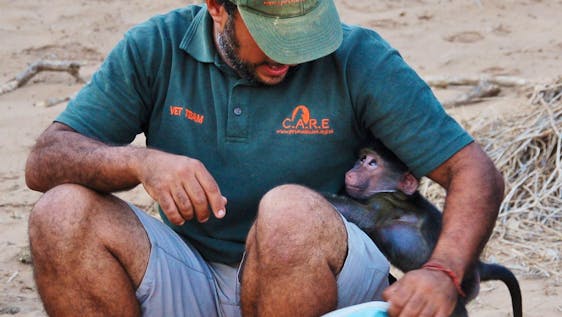
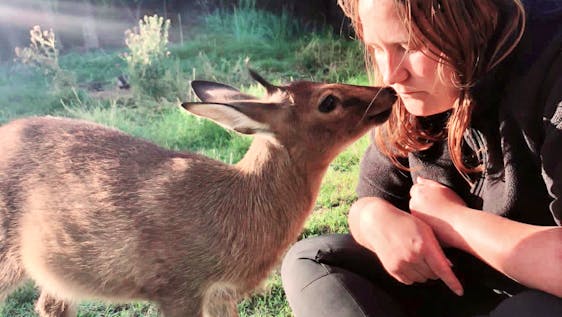
Choose projects that focus on monitoring, habitat restoration, data collection and ethical sanctuaries for non-releasable animals. Avoid cub-petting, public handling of healthy wildlife, and unvetted “sanctuaries.” Ask for a written animal-welfare policy.
What about orphanages and child care placements?
We prioritize family- and community-based care. Short-term orphanage placements can create dependency and safeguarding risks. If considered, ensure rigorous child protection, vetted staff, and a clear reunification/transition plan. Community child-care and after-school programs are usually the more ethical path.
What should I pack for South Africa volunteer programs?
- Passport/visa documents, insurance, printed/digital copies
- Sun protection, reusable water bottle, modest work attire
- Layers (cool mornings/evenings), rain jacket; sturdy shoes
- Basic first-aid kit, prescriptions in original containers
- Universal adapter, power bank, offline maps
How do I find responsible volunteer programs in South Africa (US/EU)?
Prioritize locally led partners with transparent impact, safeguarding, clear supervision, and a project calendar. Match your skills to the role (especially health/child protection). For continuity, aim for 6–12 weeks where feasible.