






































































Volunteer in Sri Lanka

 Sea Turtle Conservation
 Waste Reduction
 Animal
 Green Sea Turtle
 Hawksbill Turtle
 Olive Ridley Turtle
 Marine Life
 Leatherback Turtle
 Plastic Reduction
 Ocean Cleaning
 Intern Abroad
 Dog
Dog
 Animal Shelter
 Street Animals
 Veterinary Training
 Community
 Childcare
 Volunteer and Travel
 Voluntourism
 Healthcare
 Medical Training
 Education
 English Teaching
 Elephant Conservation
 Loggerhead Turtle
 Nursing Internship
 Psychology Internship
 Activities
 Asian Elephant
 Sri Lankan Elephant
 Monastery
 Beach Cleaning
 Wildlife Conservation
 Primary School
 National Park
 Hotspots
 Elephant Research
 Social Work
Turtle Conservation in Asia
Social Work
Turtle Conservation in Asia
 Construction
 Youth Teaching
 Women Empowerment
 Midwifery Internship
Flatback Turtle
Midwifery Internship
Flatback Turtle
 Orphanage















Volunteer work in Sri Lanka
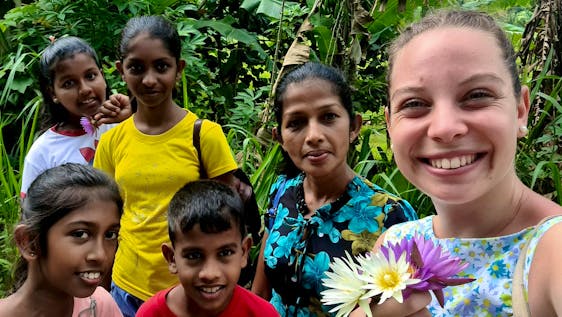
🇱🇰 Sri Lanka — the “Pearl of the Indian Ocean” — blends tropical beaches, emerald tea plantations, ancient temples and outstanding wildlife. With volunteering in Sri Lanka you go deeper: support meaningful projects, connect with local people and create lasting impact — in elephant conservation, sea turtle conservation, education projects, healthcare or community work.
✨ TL;DR — Projects, hotspots, best seasons & budget
- Top areas: Elephant Conservation, Sea Turtle Conservation, Marine Conservation, Teaching, Medicine & Public Health, Community & Construction.
- Hotspots: South coast (Mirissa/Kosgoda/Rekawa) for marine work & whales; Highlands (Kandy) for teaching & culture; Udawalawe/Minneriya for elephants; East coast (Trincomalee/Arugam Bay) for marine & surf.
- Best seasons: Dec–Apr (south/west: turtles & whales), May–Sep (east coast: marine/surf), Highlands year-round.
- Budget: ~US$ 11–30/day for personal spend (plus program fee, flights, insurance, visa).
- Stay length: 2–8 weeks for visible impact; 6–12 weeks are ideal for elephant rehab/monitoring.
Jump to: → Elephant Conservation · → Sea Turtles in Sri Lanka · → Marine Conservation · → Teaching · → Healthcare · → Community
🌱 Where you can make a difference
🐘 Elephant conservation: conflict prevention & rehabilitation
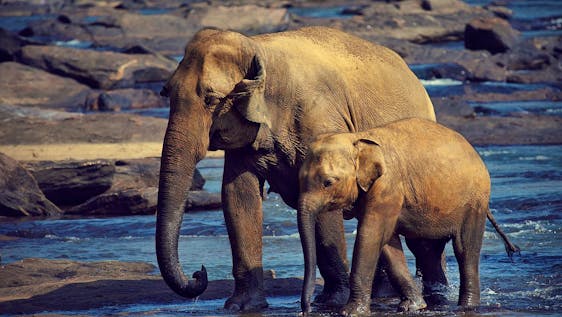
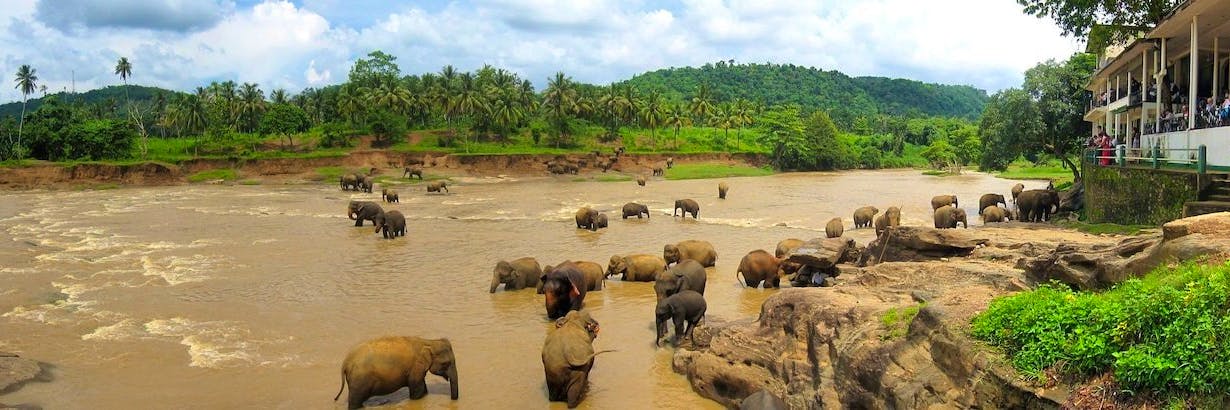
Sri Lanka holds one of the most significant populations of the Asian elephant. As a volunteer you’ll support sanctuaries and field teams with care & feeding, enclosure upkeep, camera-trap/GPS monitoring, data entry and community outreach on human–elephant conflict. Many elephants are rescued from tourism — strict ethics apply (no riding or show interactions). Recommendation: plan 6–12 weeks to meaningfully follow rehab cycles.
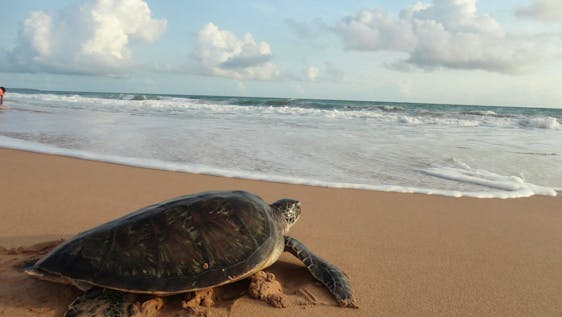
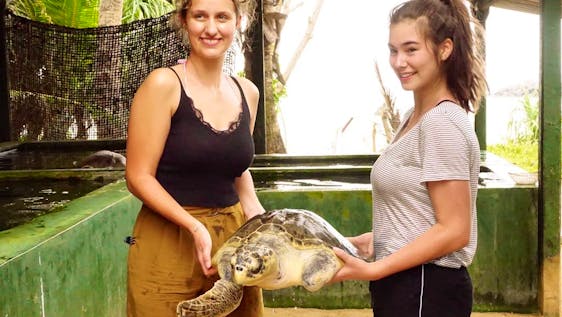
🐢 Sea turtles: safeguard nests & guide hatchling releases
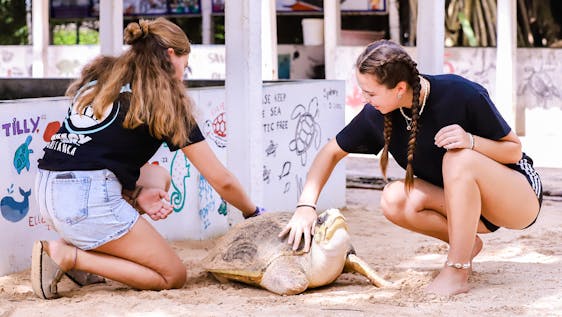
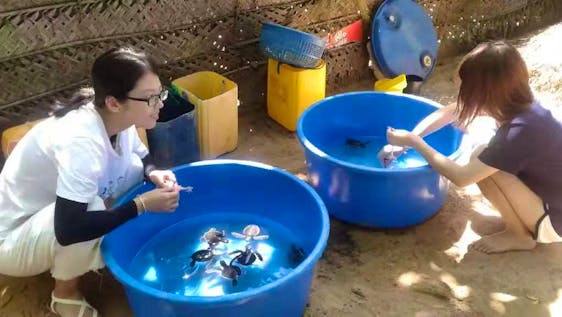
In turtle projects you secure nests, run night patrols, record data and supervise hatchling releases at ecologically appropriate times. Common species: Green and Hawksbill; Leatherback occurs more rarely. Many centers combine conservation with beach clean-ups and mangrove restoration.
🌊 Marine conservation & citizen science
Marine projects blend reef, seagrass and shoreline monitoring with environmental education. Best windows: south/west (Dec–Apr) and the east coast (May–Sep). You can join without a dive cert (snorkel surveys & land tasks); some sites offer dive training.
👨🏽🏫 Teaching & education
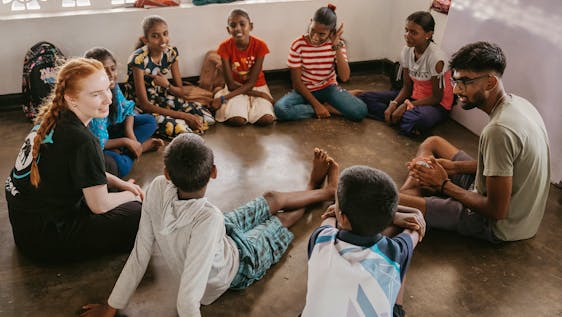
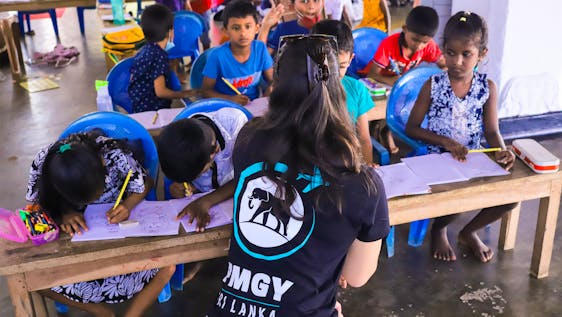
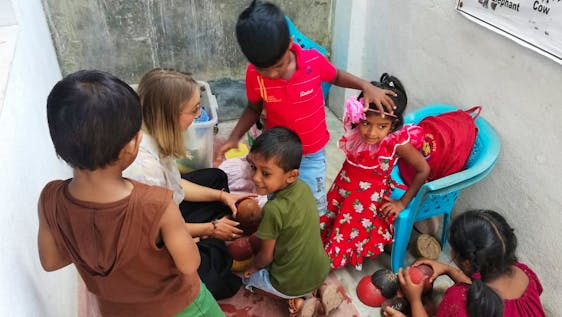
In schools and learning centers you’ll plan English/IT/creative lessons, support teachers and build classroom materials. Reliability, clear learning goals and simple progress checks (vocab reviews, mini projects) are key.
🩺 Medicine & public health
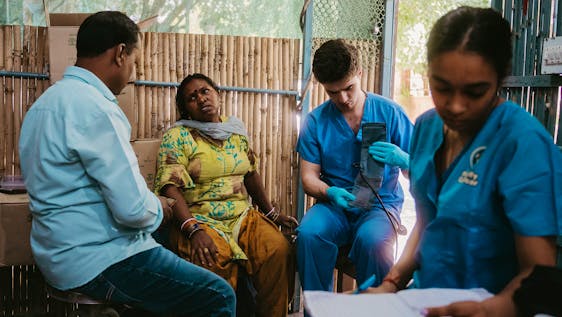
Healthcare volunteering spans prevention (hygiene, nutrition) to supervised clinical exposure. Scope and responsibility depend on your qualifications and length of stay; documentation/vaccination proof is often required.
🏡 Community & construction
Community projects improve local infrastructure: refurbish classrooms, build play areas, implement water/waste solutions, and co-run women’s empowerment workshops. Tangible impact — ideal over 3–8 weeks.
🐾 Wildlife & national parks — where to see what
| Species/group | Hotspots | Risks | Volunteer tasks | More |
|---|---|---|---|---|
| Asian Elephant | Udawalawe, Minneriya | Human–wildlife conflict, habitat loss | Care, monitoring, community awareness | Elephant Conservation |
| Leopard | Yala, Wilpattu | Poaching, fragmentation | Camera traps, data analysis | Wildlife Sanctuary |
| Sea Turtle | Kosgoda, Rekawa | Bycatch, light pollution | Nest protection, night patrols, releases | Turtle Projects |
| Blue Whale & Dolphins | Mirissa (south), Trincomalee | Boat pressure, underwater noise | Photo-ID, sighting logs, visitor briefings | Whales & Dolphins |
| Sloth Bear | Wasgamuwa, Yala | Habitat loss | Behavior observation, outreach | Wildlife Projects |
🐢 Deep dive: sea turtles — timing, places, tasks
| Species | Season | Hotspots | Typical tasks | More |
|---|---|---|---|---|
| Green Turtle | Year-round; peak Dec–Mar | Kosgoda, Rekawa | Locate & secure nests, releases, education | Turtle Conservation |
| Hawksbill | Oct–Feb | West & south coasts | Night patrols, hatch success tracking | Marine Conservation |
| Leatherback (rare) | Mar–Jul | Rekawa | Observation, disturbance minimisation, data | Wildlife Sanctuary |
📅 Best times for turtle volunteering
- South/west (Kosgoda, Rekawa): Dec–Apr — prime nesting & hatching.
- East coast (Trincomalee/Arugam Bay): May–Sep — good sightings & releases.
- Night work: patrols typically 20:00–02:00 — plan at least 2–3 weeks to cover multiple cycles.
“Releasing my first hatchlings was unforgettable — knowing our work boosts their survival odds was the highlight of my placement.” — Lara, volunteer
🐋 Whales & dolphins in Mirissa — watch & protect responsibly
Mirissa is among the world’s best places to see blue whales and dolphins (main season: Nov–Apr). Many marine teams integrate citizen science into regular trips — with clear Responsible Whale Watching rules (distance, limited boats, slow approach).
| Species | Season | Hotspot | Volunteer tasks | More |
|---|---|---|---|---|
| Blue Whale | Nov–Apr (peak Feb–Mar) | Mirissa | Photo-ID, sighting logs, pre-trip briefings | Whale Projects |
| Sperm Whale | Nov–Apr | Mirissa, Trincomalee | Data collection, route/behavior analysis | Marine Mammals |
| Spinner Dolphin | Year-round | Mirissa, Kalpitiya | Group size & behavior logging | Dolphin Conservation |
Pro tip: Prefer projects with certification/guidelines and a small boat quota — kinder for wildlife and better for data quality.
📍 Hotspots compared — projects, season & duration
How to use this table: pick the location that fits your project type, availability and season.
| Region/place | Projects/focus | Best time | Suggested duration | Notes | Link |
|---|---|---|---|---|---|
| South coast (Mirissa/Kosgoda/Rekawa) | Turtles, whales & dolphins, beach clean-ups | Nov–Apr | 2–8 wks | Great combo: turtles + whale watching | → Turtles, → Whales & Dolphins |
| East coast (Trincomalee/Arugam Bay) | Marine conservation, shoreline monitoring | May–Sep | 3–8 wks | Dry season & calmer seas, good visibility | → Marine Conservation |
| Highlands (Kandy) | Teaching, community | Year-round | 4–12 wks | Strong culture & good infrastructure | → Teaching, → Community |
| Udawalawe/Minneriya | Elephant conservation, wildlife | Year-round (easier in dry spells) | 6–12 wks | Rehab & monitoring cycles | → Elephants |
📅 Best time to go — by region & project
- South/west coast: Dec–Apr (turtles, whales, beach projects excel).
- East coast: May–Sep (calmer seas — ideal for marine surveys).
- Highlands: year-round; cool & green — expect showers.
- Specials: Leatherbacks Mar–Jul (Rekawa); whale peak Feb–Mar (Mirissa).
🗓️ Sample weekly plans & measurable impact
🐢 Turtles
- Mon–Fri: night patrols (2–3×/week), nest protection, data entry; daytime education & clean-ups
- KPIs: nests secured/week, hatch success (%), kg waste/shore segment
🐘 Elephants
- Mon–Fri: feeding & care, enclosures, GPS/camera traps, village dialogues
- KPIs: datasets/transect, community sessions, condition/behavior scores
🎓 Teaching
- Mon–Fri: 2–4 hrs lessons/day, prep & mentoring
- KPIs: attendance, vocab gain/2 weeks, mini-tests
🩺 Public Health
- Workshops (hygiene/nutrition), outreach, documentation
- KPIs: participants/workshop, follow-up quiz, materials distributed
💵 Costs & budget breakdown
Your personal day-to-day budget is about US$ 11–30. Program fees often cover accommodation/meals. Add flights, visa, insurance and weekend trips.
| Category | Avg. cost (USD) | Saver tip |
|---|---|---|
| Accommodation/meals (Volunteer House) | 10–20 / day | Longer stays → discounts |
| Local food (Rice & Curry) | 1–3 / meal | Choose street food over tourist spots |
| Transport | ~0.10 (bus) / ride | Agree tuk-tuk fare beforehand |
| Weekend trip (safari/whales) | 80–150 | Group up with volunteers |


🛂 Visa, preparation & packing list
Many nationalities can obtain a 30-day ETA online; extensions in Colombo are often possible (e.g., to ~90 days). Longer placements may require a Residence Visa. Passport: at least 6 months’ validity and 2 blank pages.
🎒 Packing list (short)
- Light, modest clothing (cover shoulders/knees for temples/schools)
- Insect repellent, small medical kit, sunscreen
- Sturdy shoes, headlamp (night patrols)
- Adapter, power bank, offline maps
- Documents: passport copies, insurance proof, police certificate if needed
🌸 Culture, language & safety
- Religions: Buddhism, Hinduism, Islam, Christianity — respect temple etiquette.
- Safety: Sri Lanka is generally safe; watch your bags in busy areas; choose registered taxis/boats.
🗣️ Handy Sinhala phrases
- Ayubowan — Hello / Welcome
- Istuti — Thank you
- Koheda? — Where?
- Hari — OK / Good
- Subha Dawasak — Good day
🧭 Ethics & safeguarding
- Wildlife: no show-style interactions; handling only under instruction; keep distance rules.
- Child protection: police check, no photos without consent, clear supervision, no private gifts.
- Data stewardship: follow project protocols; don’t share sensitive info publicly.
🪔 Cultural highlights & festivals: Perahera, Vesak & harvests
Time your trip to experience religion, music and crafts authentically — often paired with community work or teaching.
| Event | When | Where | Volunteer tip |
|---|---|---|---|
| Esala Perahera (Kandy) | Jul–Aug (varies) | Kandy (Highlands) | Combine with school projects; dress respectfully in temples |
| Vesak (Festival of Lights) | Apr–May (full moon) | Nationwide | Perfect for community projects & cultural activities |
| Tea harvest season | Rotating (year-round) | Ella, Nuwara Eliya | Visit co-ops & pair with school gardens/urban farming |
🍃 Tea highlands & agro-community: school gardens, water & waste
Around Ella, Nuwara Eliya and Kandy, projects link education with the environment: school gardens, composting, rainwater harvesters and waste sorting. Great to combine community work with environment projects.
- Set up gardens (seeds, compost, irrigation)
- Nutrition & hygiene workshops (public health basics)
- Plastic & waste reduction: plastic reduction, waste reduction, clean-ups
🏄♀️ Surf & marine: Arugam Bay (May–Sep) vs. southwest (Dec–Apr)
If you want to combine surfing with marine conservation, choose by season:
| Region | Surf season | Marine options | Combos |
|---|---|---|---|
| Arugam Bay (east coast) | May–Sep | Beach monitoring, seagrass/plastic data | Surf + marine surveys |
| Hikkaduwa/Unawatuna (southwest) | Dec–Apr | Reef monitoring, beach clean-ups | Diving + marine conservation |
🌳 Sinharaja rainforest & endemics: birds & forest protection
In UNESCO-listed Sinharaja, volunteers join local teams on trail work, invasive control and environmental education. Birding highlights (e.g., Sri Lanka blue magpie) pair well with wildlife monitoring.
- Vegetation & bird counts (transects, photo-ID)
- Remove invasives, nurseries/planting
- School workshops (biodiversity & wildfire prevention)
🧘 Monasteries & language: English/IT support
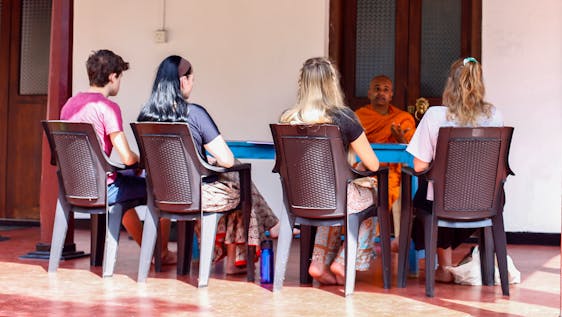
Some projects collaborate with monasteries: volunteers offer English or IT classes and learn about religion, culture and basic Sinhala in return. Follow dress codes and etiquette.
✅ Ethics check: spotting responsible turtle centers
- No unnecessary handling; releases only when guided by the project
- Transparent data (nests, hatch success, releases)
- Focus on protection/monitoring over commercial display
- Community involvement & education program
Review each project profile and ask about methodology before committing.
🌦️ Two monsoons, two coasts — plan smart
| Monsoon | Months | Affected coast | Alternative region |
|---|---|---|---|
| Yala (southwest) | May–Sep | South/west coasts | East coast (Trincomalee/Arugam Bay) |
| Maha (northeast) | Oct–Jan | East/north coasts | South/west coasts (Mirissa/Kosgoda) |
🗺️ Volunteer weekends — 3 quick routes
- South Combo: Mirissa → whale watching (Nov–Apr) + turtle release (Kosgoda) + Galle Fort
- Highland Culture: Kandy (Temple) → Ella (Little Adam’s Peak) → tea factory tour
- East Blue: Arugam Bay (surf) + Trincomalee (beaches; whales/dolphins in season)
❓ FAQ — Everything you need to know
🗓️ When is the best time to visit?
South/west: Dec–Apr; East: May–Sep; Highlands year-round. Specials: Leatherbacks Mar–Jul (Rekawa), whale peak Feb–Mar (Mirissa).
💰 How much does volunteering cost?
Personal expenses ~US$ 11–30/day; add program fees, flight, visa and insurance.
🎓 Do I need prior experience?
Many projects accept beginners. Healthcare/elephants often require documentation; child-related work typically needs a police check.
🐢 Can I release baby turtles?
Yes — under supervision and only at ecologically suitable times determined by the team. Night patrols are common.
🐋 When can I see whales in Mirissa?
Nov–Apr (mornings often best). Follow responsible-watching guidelines.
🛂 Which visa do I need?
Usually a 30-day ETA, extendable; longer stays may require a Residence Visa. Passport valid for at least 6 months.
🩺 Which vaccinations are recommended?
Routine (MMR, tetanus); commonly Hep A/B and typhoid, sometimes rabies. Seek medical advice.
⏱️ How long should I stay?
4–8 weeks is ideal; elephant/monitoring projects often benefit from 6–12 weeks.
🧘 Can I teach in monasteries?
Yes in some regions — focus on English/IT; follow etiquette & dress codes.
🏄 Combine surfing & volunteering?
Arugam Bay (May–Sep) & the southwest (Dec–Apr) pair well with marine conservation & clean-ups.