























Volunteer in Tanzania

 Hotspots
 Arusha
 Intern Abroad
 Activities
 Community
 Childcare
 Healthcare
 Medical Training
 Midwifery Internship
 Education
 Nursing Internship
 Zanzibar
 Safari
 Premium
 Primary School
 Families with small kids
 Pediatrics Volunteer
 Physical Therapy Internship
 Dental Internship
 English Teaching
 Social Work
Ophthalmology Internships
Social Work
Ophthalmology Internships
 Human Rights
 Vegan
Vegan
 Environment
 Conservation Work
 Women Empowerment
Sex Education
Women Empowerment
Sex Education
 Nutrition and Food
 Green Sea Turtle
 Sea Turtle Conservation
 Dar es Salaam
 Animal Shelter
 Kilimanjaro
 Psychology Internship
Teaching Internship
Psychology Internship
Teaching Internship
 Animal
 Youth Teaching
 Sports
 Soccer
 Street Animals
 Dog
Dog
 National Park
 Planting Trees
 Cats
Cats
 Waste Reduction
 Beach Cleaning
 NGO Support
 Hyena Conservation
 Marketing and IT
 Veterinary Training
 Special Needs
 Business Development
 Voluntourism
 Volunteer and Travel
 Giraffe Conservation
 Plains Zebra
 Coffee
 Zebra Conservation
 Lion Conservation
Masai Giraffe
Lion Conservation
Masai Giraffe
 Southwest African Lion
 Serengeti
 African Elephant
 Elephant Conservation
 Aardvark
 Tubulidentata Conservation
 Wildlife Conservation
 Spotted Hyena
Striped Hyena
Spotted Hyena
Striped Hyena
 Construction
 Building Schools
Construction Internship
Building Schools
Construction Internship
 Common Dolphin
 Coral Reef
 Dolphin Conservation
 Marine Life
 NGO Management
 Yoga
Yoga
 Culture and Arts
 Music
Music
 Agriculture
 Ecological Farming
 Photography Internship
 Indigenous cultures
 Bird Conservation
Northern Giraffe
Bird Conservation
Northern Giraffe
 Eagle
Eagle
 Basketball
 Leopard Conservation
 African Leopard
 Energy and Water
 Reforestation


_square.jpg?auto=format&fit=crop&h=60&w=60)










Volunteer Opportunities in Tanzania
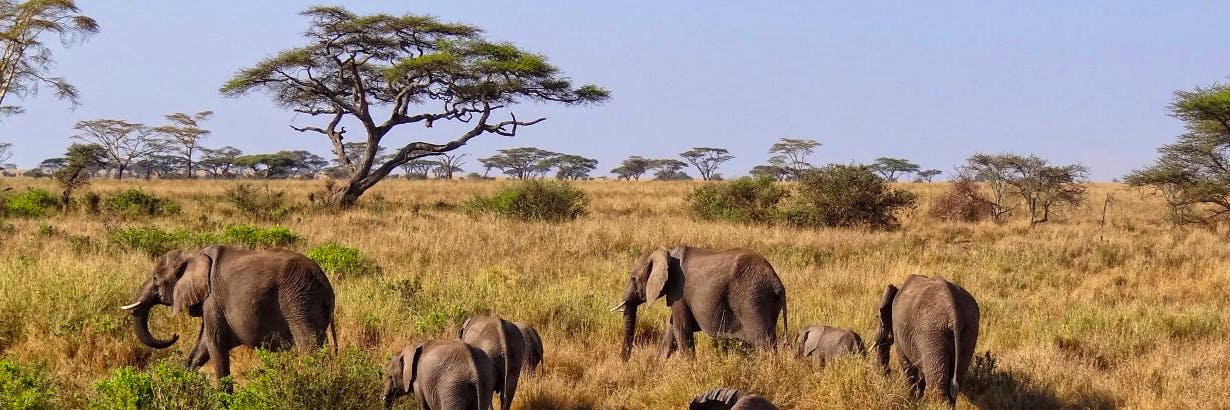
Tanzania is the definition of what many imagine when they think of Africa: endless wilderness in the national parks, abundant wildlife in natural habitats, the colorful Maasai culture, and mountain summits where it feels like the world drops away. While those images are real, there’s much more to discover when you do volunteer work in Tanzania.
Compared with a regular tourist trip, volunteering gives you far more in return. You’ll truly get to know the country’s culture and people by lending a hand and becoming part of everyday life. Build meaningful connections with locals and fellow volunteers — and experience Tanzania like an insider.
✨ TL;DR – Your Tanzania Volunteering: projects, best seasons & realistic budgets
- Top areas: Medicine/Public Health, Teaching (English/Sport/IT), Construction & Youth, Women’s Empowerment, Nature & Marine Conservation
- Hotspots: Zanzibar (teaching & marine), Arusha (schools/clinics), Dar es Salaam (urban & NGOs), Mafia Island (whale sharks)
- Best times: Jun–Oct (dry season, wildlife), Oct–Feb (whale sharks/Mafia), Mar–May (long rains; some logistics limited)
- Budget: ~US$ 20–30/day for personal expenses (plus program fees, flights, insurance, visa)
- Impact: 6–12 weeks increase outcomes (consistent datasets, learning progress, rehab cycles)
🇹🇿 Volunteering in Tanzania: where your help makes the biggest difference right now
Before you start, reflect on what you want from a project. Below are popular options across project types so you can find the right fit. If you’re undecided, these are especially in demand:
- Healthcare & medical internships
- Teaching English or sports
- Supporting local NGOs (women’s rights & child protection)
- Conservation (including marine)
Medicine & Public Health: clinic routines, prevention—and what can count toward your degree
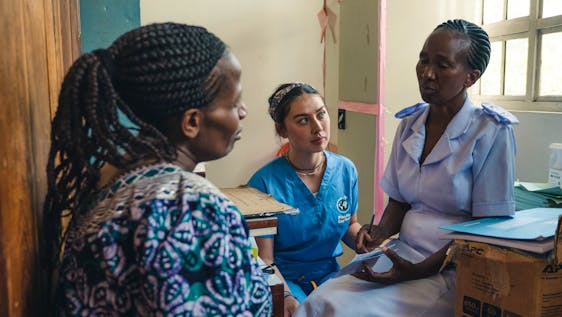
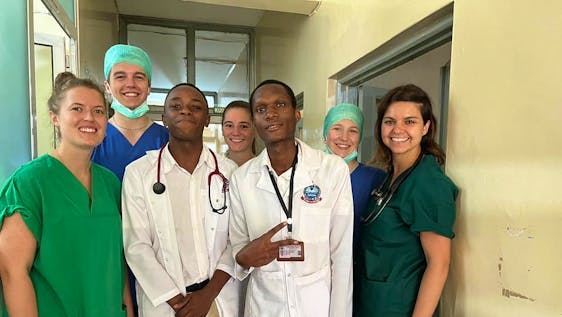
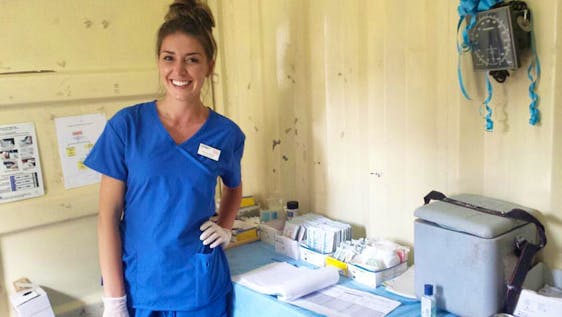
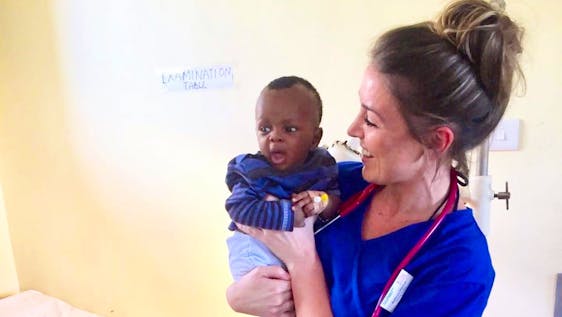
Medical volunteers are welcome across Tanzania; many health projects need extra hands. Rural facilities often face aging equipment, drug shortages, staff gaps, and rising patient loads. Your tasks depend on qualifications, supervision, and local regulations.
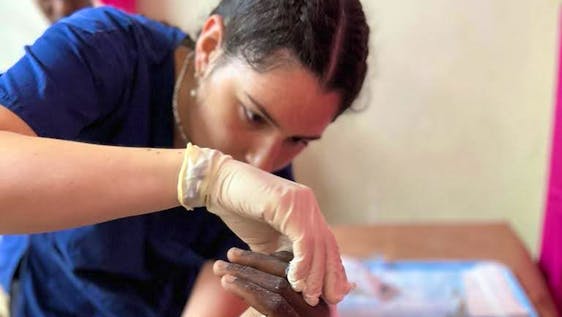
- Join ward rounds, basic procedures (vitals, dressings) — where permitted
- Prevention in communities/schools (hygiene, nutrition, sexual & health education)
- Documentation & triage support
- Plan public-health campaigns (e.g., bed nets, water hygiene)
Study credit: Clinical placements may be recognized depending on your university (reports, logbook, supervisor sign-off).
Marine Conservation in Zanzibar & Mafia: reefs, mangroves, whale sharks—even without a dive license
Tanzania’s coast offers spectacular dive sites with dolphins, whale sharks, sea turtles, and seasonal humpbacks. Overfishing and pollution threaten these ecosystems. Marine conservation volunteers contribute by:
- Reef & seagrass monitoring (snorkel/dive), mangrove planting
- Beach clean-ups & microplastic sampling
- Community workshops (reef-safe behavior, waste management)
Good to know: Whale sharks around Mafia Island (Oct–Feb). Without a license you can do snorkel surveys and land tasks; OWD can sometimes be earned on site.
Teach English: schools in Arusha, Moshi & Dar es Salaam—how to support effectively
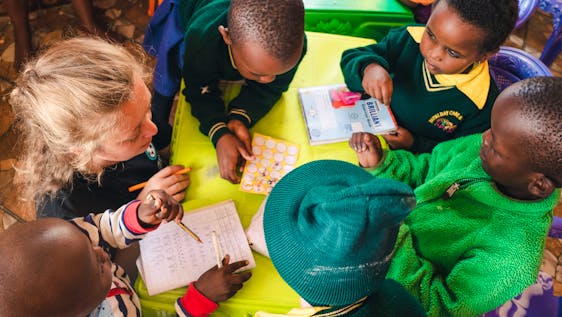
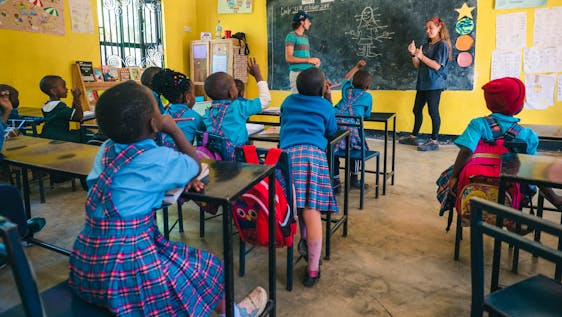
Education projects have a major impact on children’s futures. Around Arusha, Moshi, Dar es Salaam and Zanzibar demand for teachers is high. Subjects include English, math, IT skills, sports, business/finance.
- Lesson plans with goals & simple metrics (attendance, vocabulary checks, mini-tests)
- Clubs & after-school (team sports, creative labs) — follow safeguarding
- Teacher support: materials, differentiation, exam prep
Community projects: school construction, youth programs & environmental awareness with measurable impact
In community development you can work hands-on (build/renovate classrooms, sanitation, playgrounds) or leverage communication skills (workshops on sustainability, recycling, renewables). Many centers support schools, families, and elders. Examples:
- Support local schools & learning clubs
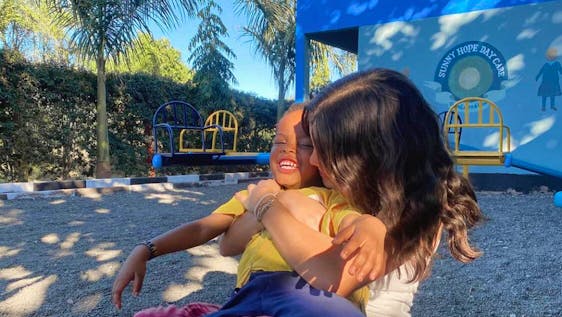
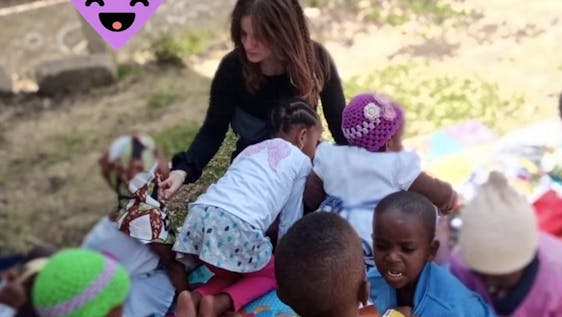
- Childcare while parents work
- Home visits with the team
- Plan & maintain community gardens
- Adult education (literacy, budgeting, IT basics)
Women’s Empowerment: safe spaces, skills training & childcare—responsible and trauma-informed
Women are disproportionately affected by poverty in many regions. Projects offer protection, counseling, and pathways—often women-volunteers-only for safety and trust. Trauma sensitivity matters.
- Donor/material management, admin, fundraising
- Childcare while mothers work/study
- Business/English training & life skills (cooking, sewing)
Explore more: Women’s Empowerment and Social Work.
📍 Best places to volunteer: Zanzibar, Arusha, Dar es Salaam & Mafia Island—side-by-side
Zanzibar: teaching & marine conservation near Stone Town—coastal schools and beach clean-ups
Zanzibar is ideal to combine teaching with marine tasks. Coastal schools value English/IT lessons, plus reef surveys, mangrove tasks, and clean-ups. Respect local culture (dress, prayer times).
Arusha: hub for schools, clinics & public-health outreach by Kilimanjaro
Arusha is the gateway to national parks and Kilimanjaro. Strong focus on education and public health; solid infrastructure and NGO partners; weekend safaris are easy.
Dar es Salaam: urban volunteering with NGOs—language buddies, sports & youth centers
Dar es Salaam offers urban projects: tutoring, sports programs, youth centers, and NGO back offices. Logistics are simple—follow big-city safety basics.
Mafia Island: whale-shark citizen science & seagrass monitoring (October–February)
A small, authentic island famous for whale sharks. Emphasis on respectful observation, monitoring, and community awareness. Fly via DAR, then domestic hop.
📊 Locations at a glance — project types, seasonality, stay length & tips
How to use this table: Compare locations by project focus, best time to go, sensible minimum stay and practical tips. Links take you to the right hubs.
| Region/City | Projects/Focus | Best time to go | Realistic duration | Tips | Link |
|---|---|---|---|---|---|
| Zanzibar | Teaching, marine conservation, community | Jun–Oct; Oct–Feb (whale sharks near Mafia) | 3–8 wks | Cultural/religious norms: modest dress, holidays | Zanzibar |
| Arusha | Education, public health, NGOs | Jun–Oct; Jan–Feb | 4–12 wks | Safaris/Kilimanjaro as weekend add-ons | Arusha |
| Dar es Salaam | NGOs, youth, sports, urban teaching | Year-round | 3–8 wks | Big-city safety; use official transfers | Dar es Salaam |
| Mafia Island | Whale-shark monitoring, seagrass, clean-ups | Oct–Feb (whale sharks) | 4–8 wks | Tiny island: pre-plan flights & logistics | — |
📅 Best time to volunteer: regional calendar & season guide
- Mainland (Arusha/Moshi/Serengeti): Dry season Jun–Oct (great visibility; construction/outdoor tasks), short dry Jan–Feb.
- Coast & islands (Zanzibar/Dar/Mafia): Dry Jun–Oct; short rains Nov–Dec; long rains Mar–May (boats may be limited).
- Whale-shark window: Mafia roughly Oct–Feb; turtle nesting varies by site.
🗣️ Swahili for volunteers: handy classroom & everyday phrases
- Habari? (How are you?) – Nzuri, asante. (Good, thank you.)
- Tafadhali / Asante (Please / Thank you)
- Tunaanza sasa. (We’re starting now.)
- Sikiliza / Andika. (Listen / Write.)
- Tafadhali subiri kidogo. (Please wait a moment.)
📈 Make your impact visible: practical KPIs (teaching, health, marine/nature, construction)
- Teaching: attendance, vocab gain/2 wks, number of differentiated sheets, test scores
- Public health: participants/workshop, info/net distribution, follow-up quiz scores
- Marine: transects completed, validated sightings/photo-IDs, kg waste per hotspot
- Construction/community: classrooms/toilets completed, m² painted, beds/gardens installed
🧭 Ethics & safeguarding: child protection, wildlife standards & data ownership
- Child protection: no photos without consent, clear supervision, no private contact details.
- Wildlife: no handling without instruction; no “selfie-zoos”; respect distance & quiet hours.
- Data: use project protocols; data belongs to the local organization (agree on usage in advance).
🏞️ Weekend trips: Serengeti, waterfalls & Stone Town—plan with ease
- Northern safari: Serengeti, Ngorongoro/Serengeti, Tarangire
- Kilimanjaro/Meru: day hikes, Materuni Falls, coffee tours
- Zanzibar: Stone Town, Jozani Forest (red colobus), spice tours, beaches
🚐 Getting there & around: smart routes to Arusha, Zanzibar, Dar es Salaam & Mafia
- Flights: JRO (Kilimanjaro) for Arusha/Moshi; DAR for Dar es Salaam; ZNZ for Zanzibar; Mafia via DAR + domestic flight.
- Ferry: Dar ↔ Zanzibar (fast; check sea conditions).
- Local: daladala (minibuses), taxis/Bolt; boda-boda (motorbikes) only with helmet & caution.
How to use the next table: It lists Tanzania’s key species, habitats, risks and concrete volunteer tasks—plus internal hubs to find relevant projects.
🐾 Tanzania wildlife: Big Five & marine mammals—typical volunteer tasks (table)
| Species/Group | Habitat | Main risks | Typical volunteer tasks | More |
|---|---|---|---|---|
| Lion | Savannah (Serengeti) | Livestock conflict, poaching | Tracking, data logging, community awareness | → Wildlife conservation |
| African Elephant | Bush/protected areas | Corridor loss, human–wildlife conflict | Camera traps, GIS mapping, fence maintenance | → Elephant conservation |
| Giraffe | Savannah, acacia stands | Habitat loss, disease | Transects, photo-ID (patterns), vegetation plots | → Giraffe conservation |
| Rhino | Reserves | Poaching | Patrol support, databases, education | → Rhino conservation |
| Cheetah | Open plains | Prey decline, fragmentation | Monitoring, conflict prevention with herders | → Cheetah conservation |
| Dolphins | Zanzibar coasts | Boat pressure, noise | Observation, photo-ID, visitor education | → Dolphin conservation |
| Whale shark | Mafia Island | Disturbance, nets | Citizen science, sighting data, awareness | → Whale-shark projects |
| Sea turtles | Nesting beaches | Bycatch, light pollution | Nest protection, beach patrols, releases | → Sea-turtle conservation |
| Red colobus (Zanzibar) | Jozani Forest | Habitat loss | Behavioral studies, forest care, education | → Primate conservation |
💵 Volunteer living costs: daily budget, extras & easy savings
Expect US$ 20–30/day for personal expenses. Visa/MasterCard are common for ATM withdrawals and park fees. Some hotels add high card fees—cash and ATMs are practical.
Additional costs:
- Program fees
- Flights (find cheap flights to Tanzania)
- Travel insurance (Travel Insurance Guide)
- Visa/permits
- Personal spending & weekend trips


💡 Before you go: safety, health & culture—Tanzania at a glance
🦺 Safety & precautions
- Walk facing traffic (snatch-thefts may occur from vehicles/motorbikes).
- Avoid large cash amounts; use a safe for valuables.
- Use licensed taxis/transfers; check vehicle condition.
🩺 Health
- Keep routine vaccinations current (MMR, DTP, varicella, polio, flu).
- Often recommended: Hep A/B, typhoid, rabies, yellow fever — confirm with your doctor and see CDC guidance.
- Use repellent & cover up; note Zika/malaria/yellow-fever risks.
- Kilimanjaro trekking: plan for cold/altitude (AMS risk).
🕌 Culture & religion
- 120+ ethnic groups; multicultural and generally peaceful.
- Religious diversity with freedom of worship.
- On Zanzibar ~99% are Muslim—dress modestly and respect holidays.
🎒 Packing list — Tanzania edition
- Passport copies & key documents (carry copies; store originals safely)
- Sunscreen, hat, strong repellent
- Sturdy hiking shoes
- Personal meds & a small first-aid kit
- Adapter, power bank, offline maps
🕵️♀️ Requirements: age, language & documents for volunteering in Tanzania
- Typically 18+ (sometimes 16+ in projects without child contact—ask the coordinator)
- Basic English; higher level often needed for teaching
- Depending on project: police check & health certificate
🛂 Volunteer visas: 90-day entry, Permit C & work permissions—best practices
General entry
- Passport valid for at least 6 months on arrival
- At least 2 blank pages for stamps
- Check any transit visa needs and carry a return ticket
Short stay (≤ 90 days)
Visa on arrival is usually available (about US$ 50–100). Depending on tasks, a work authorization may also be required—confirm with the consulate in advance.
Long stay (> 90 days)
After entry: apply for a long-stay “Permit C” with Immigration (DAR/Arusha). Fees change—check current rates before departure.
🗓️ Sample week (short format)
Community
- Mon–Fri: workshops/center support, home visits (with team), data entry; 1× team training
Wildlife/Marine
- Mon–Fri: transects/camera traps or reef/seagrass surveys, nursery/planting, databases; 1× environmental education session
Education/English
- Mon–Fri: lessons (2–4 hrs/day), prep & mentoring; 1× lesson-plan review
❓ FAQ: Volunteering in Tanzania — marine without dive license, safety, visas/permits & documents
Can I join marine conservation without a dive license?
Yes. Snorkel surveys, beach clean-ups, land tasks and data management are all possible. OWD can—depending on the project—be completed locally.
How safe is volunteering in Tanzania (Arusha, Zanzibar, coast)?
Very manageable with common sense: use licensed taxis, secure valuables, avoid large crowds. On islands/coast, follow weather and boat rules; after dark, use registered taxis.
Will medical placements count for my degree (internship/ECTS)?
Often yes—depends on your faculty and supervision. Keep a logbook (tasks/hours), get content & attendance signed off, align learning goals in advance.
Are there placements for couples or 50+ volunteers?
Frequently, yes. Use filters like “Couples”/“50+” or ask in the project chat. Tip: request double rooms/host families early; coordinate shared days off.
What does volunteering in Tanzania cost (realistic daily budget)?
~US$ 20–30/day for personal spend; plus program fees, flights, insurance, visa and weekend trips (safari, Zanzibar ferry/flight).
What documents do I need (teaching, clinics, community)?
Passport, possible police check, health certificate, proof of insurance. Clinics may require vaccination records; child-related projects have strict safeguarding rules.
Which visa or permit do I need (up to/over 90 days)?
Up to ~90 days: visa on arrival usually possible (fee applies). Depending on tasks, a work permit (e.g., Permit C) may be needed. Over 90 days: apply for a long-stay permit with Immigration (e.g., Dar es Salaam/Arusha). Check details with the consulate.
Do I need yellow-fever proof or special vaccinations?
Keep routine shots current. Commonly recommended: Hep A/B, typhoid, rabies; yellow fever depends on route/transit. If arriving from YF-risk countries, proof may be required. Consult your doctor.
Can I volunteer under 18 (e.g., 16–17)?
Many projects require 18+, but some accept 16–17 year-olds with parental consent/guardian. Check the project description and confirm in advance.
Do I need a TEFL certificate to teach English?
TEFL helps but isn’t always mandatory. Solid English, reliability and following the school’s plan matter most. Some projects provide short didactics briefings.
What should I wear on Zanzibar (including during Ramadan)?
Modest clothing recommended: cover shoulders and knees for school/community visits. Extra discretion during Ramadan. Beachwear is for the beach only.
How do I sort internet & SIM (Arusha, Dar es Salaam, Zanzibar)?
Local prepaid SIMs are inexpensive; good coverage in cities, more variable on islands/rural areas. Many volunteer houses have Wi-Fi, but a data bundle is still useful.
What’s the best season for teaching, marine, or wildlife projects?
Teaching tracks the school calendar (often Jun–Oct, Jan–Feb). Marine is best in the dry season (Jun–Oct); whale sharks on Mafia around Oct–Feb. Northern wildlife is most stable Jun–Oct.
What safeguarding rules apply when working with children?
Strict standards: no contact outside the project without consent, no photos without permission, no private gifts. A police background check is often required.