











































































Veterinary Volunteering Abroad

 Monkey Conservation
 Bird Conservation
 Sloth Sanctuary
 Intern Abroad
 Animal
 Wildlife Conservation
 Americas
 Central America
 Costa Rica
 Ocelot
 Spider Monkey
 Leopardus Conservation
Two-toed Sloth
Three-toed Sloth
Leopardus Conservation
Two-toed Sloth
Three-toed Sloth
 Tapir
Tapir
 Cockatoo
 Tamarin
 Parrot
 Squirrel Monkey
 Mexican Jaguar
Tapir Conservation
Mexican Jaguar
Tapir Conservation
 Marmoset
 Macaw
Jaguar Conservation
Macaw
Jaguar Conservation
 Animal Shelter
 Street Animals
 Dog
Dog
 Asia
Asia
 Southern Asia
 Sri Lanka
 Activities
 Hotspots
 Africa
 Animal Sanctuary
 Families with small kids
 Scouts
 Howler Monkeys
 Europe
 Greece
 Southern Europe
 South Africa
 Southern Africa
 Elusive Pangolin
Pangolin Conservation
Elusive Pangolin
Pangolin Conservation
 Mongoose
 Otter Conservation
 Genet
Wildcat Conservation
Genet
Wildcat Conservation
 Serval
Bush Baby
Serval
Bush Baby
 Honey Badger
 Giant Otter
 Owl
Badger Conservation
Owl
Badger Conservation
 Bat Conservation
 Mongoose Conservation
Caracal Conservation
Bat
Mongoose Conservation
Caracal Conservation
Bat
 Vegan
Vegan
 Crete
Crete
 South America
 Peru
Peru
 Iquitos
 Cats
Cats
 South East Asia
 Laos
Laos
 Eagle
Eagle
 Thessaloniki
 Eastern Africa
 Nepal
Nepal
 Kathmandu
 Tanzania
 Arusha
 Planting Trees
 Sea Turtle Conservation
 Knysna
 Western Africa
 Puerto Jimenez
 Marine Life
 Maldives
 Loggerhead Turtle
 Olive Ridley Turtle
 Leatherback Turtle
 Hawksbill Turtle
 Green Sea Turtle
 Cape Verde
 Horse
Horse Trekking
Horse
Horse Trekking
 Ghana
Ghana
 Kumasi
 Buenos Aires
 Argentina
 Malawi
 Caribbean
 Jamaica
 Thailand
 Hua Hin
 Language Course
 Spanish Courses
 Zanzibar
 Accra
Accra
 Giraffe Conservation
 Leopard Conservation
 Poland
 Serengeti
 San Jose
 African Leopard
Northern Giraffe
African Leopard
Northern Giraffe
 Eastern Europe
 Cusco
Cusco
 Guatemala
 Antigua
 Voluntourism
 African Elephant
 Ecuador
 Volunteer and Travel
 Zebra Conservation
 Reptile Conservation
 Lion Conservation
 Crocodile
 Elephant Conservation
 Plains Zebra
 Zimbabwe
 Baboon
 Southern Giraffe
 Southwest African Lion






















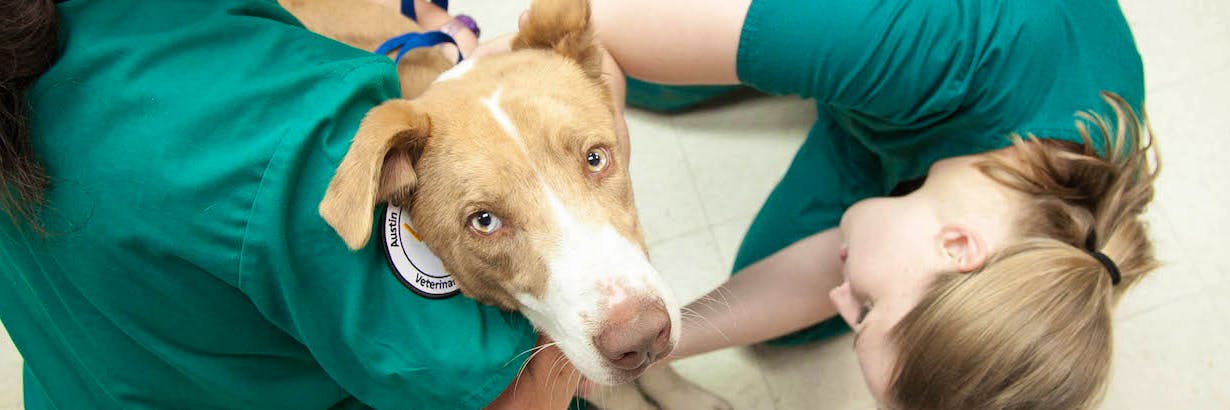
Veterinary Training Abroad
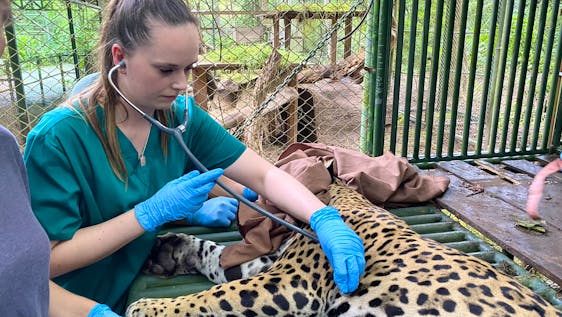
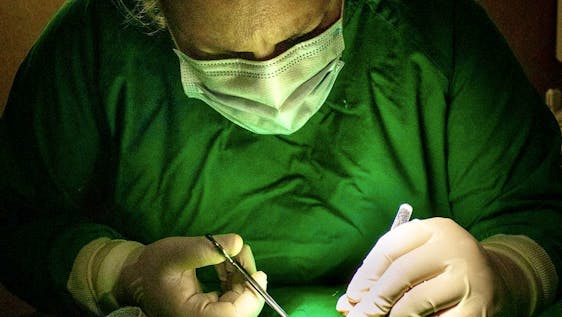
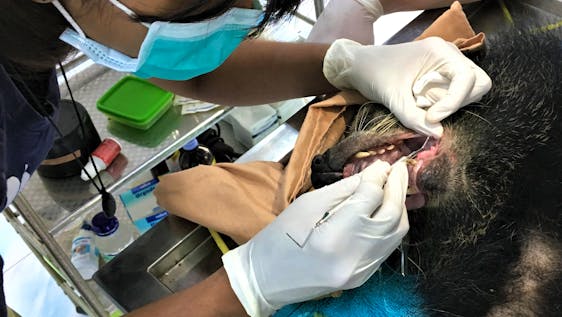
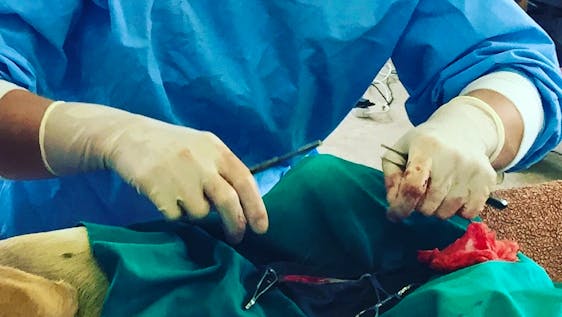
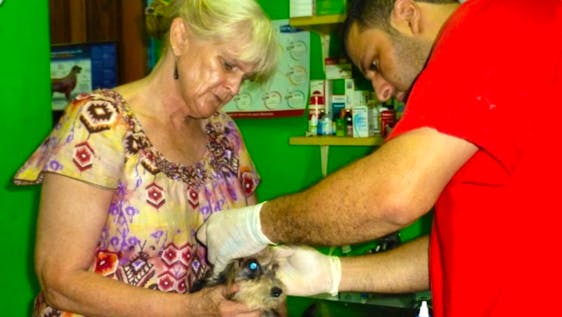
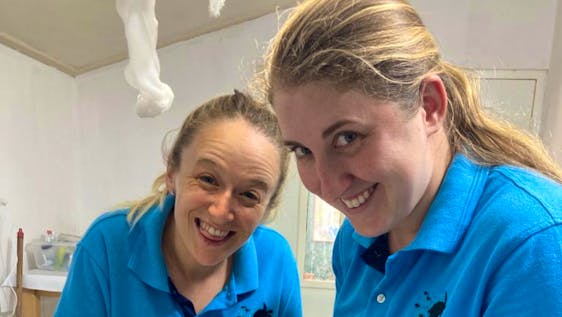
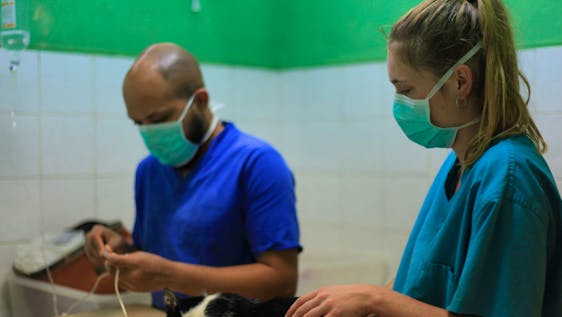
Dawn over the clinic, the first rattle of metal trays, quiet breathing in recovery. A hand resting calmly on a trembling coat; a look that says, “You’re safe.” Veterinary work abroad isn’t just tech and theory — it’s closeness, responsibility, and the sense that your effort changes something tangible today: a rescued street dog, a stabilized sea turtle, a primate returning to freedom after careful rehab. This guide takes you — clear, honest, and practical — through tasks, ethics, learning goals, and the best hubs worldwide.
⚡ TL;DR – International vet internships & volunteering
- What you do: Intake/triage, vaccinations & deworming, wound care, assistance with spay/neuter, monitoring in recovery/aftercare, structured documentation; in wildlife centers also rehab/enrichment and pre-release checks.
- Why it matters: Build clinical routine, live your ethics, improve key metrics (vaccine coverage ↑, complications ↓, release rates ↑) — and return home with a signed logbook and references.
- Duration & budget: 2–3 weeks (onboarding/observation), 4–12 weeks (clinical/rehab depth), typically €200–€1,200 per week depending on region, season, inclusions.
- Where: Costa Rica, Peru, Ecuador, South Africa, Tanzania, Thailand, India, Spain, Portugal, France, Australia.
- With which animals: Dogs, Cats, Horses, donkeys, Sloths, Primates, Sea turtles, Parrots, Reptiles.
🔬 Volunteering in veterinary medicine — quality & safety first
- Practice (Experience): Rotations (intake/triage → treatment/OR → recovery/aftercare → documentation) mirror real daily flow; each task is chosen to contribute under supervision to patient welfare.
- Expertise: Responsibility scales with profile: Pre-vet (hygiene, observation, documentation) → Students (vaccines, wound care, surgical assist) → Graduates/professionals (extended assistance, small quality projects).
- Authoritativeness: Projects follow local law, hygiene/biosafety (sharps disposal, sterile cycle, isolation) and wildlife ethics (stress reduction, no-contact in sensitive phases); SOPs and emergency chains are documented.
- Trust: Clear role boundaries, consent for photos/data, firm stop criteria (heat/weather pauses, “stop-the-line” for hygiene/animal-welfare risks).
Note: This page is guidance; clinical decisions rest with local veterinary leadership. Always check visas, vaccinations, and insurance individually.
📊 Overview — continents, hubs, species, tasks
| Continent | Hubs | Species (focus) | Typical tasks | Best for | Duration & budget |
|---|---|---|---|---|---|
| Latin America | Costa Rica, Peru, Ecuador | Companion + wildlife (sloths, primates, parrots, turtles, reptiles) | Vaccinations, spay/neuter, wound care, wildlife rehab, enrichment, release prep | Pre-vet, students, wildlife focus | 2–12 wks · ~€250–€1,000/wk |
| Africa | South Africa, Tanzania | Dogs/cats, livestock (cattle/goats/donkeys), wild ungulates | Surgical assist, vaccination campaigns, community work, game counts | Students, professionals | 2–8 wks · ~€300–€1,200/wk |
| Asia | Thailand, India | Street dogs/cats, gibbons/birds, reptiles | Spay/neuter, parasite control, aftercare, rehabilitation | OR-interested beginners & students | 2–6 wks · ~€250–€900/wk |
| Europe | Spain, Portugal, France | Dogs/cats, horses, livestock | Routine care, vaccinations, hoof/farm checks | EU volunteers, agri/vet students | 2–12 wks · ~€200–€800/wk |
| Oceania | Australia | Koalas, kangaroos, parrots, reptiles | Wildlife rescue, treatment, wound care, release | Wildlife fans, students | 2–8 wks · ~€400–€1,200/wk |
💸 Costs & inclusions by region (quick check)
Ranges reflect typical inclusions (accommodation, supervision, materials). “Optional” are add-ons like language modules, airport pickup, workshops. Check per hub for a clear itemized list.
| Hub | from/week* | Included (typ.) | Optional / extras |
|---|---|---|---|
| Costa Rica | ~€350 | Accommodation, onboarding, supervision, materials fee, project donation | Meal plan, Spanish course, airport pickup |
| South Africa | ~€400 | Accommodation, in-window transfers, OR mentoring, safety briefings | Weekend safaris, anesthesia/documentation workshops |
| Thailand | ~€300 | Accommodation, clinic rotations, intro modules, basic supplies | eSIM, extended pickup, excursions |
| Peru | ~€320 | Accommodation, community work, supervision, local transport (basic) | Language module, Andes trip, extra OR days |
| Ecuador | ~€380 | Accommodation, wildlife rehab, veterinary leadership, authority coordination | Photo permits, extra conservation day |
| Portugal / Spain | ~€250 | Accommodation (sometimes), clinic shifts, supervision, internal certificates | Meal plans, weekend workshops |
| France | ~€280 | Farm rotations, biosafety briefing, QA checklists | Field trips, reproduction training |
| Australia | ~€420 | Wildlife intake, rehab/release prep, ranger briefings | Habitat surveys, extra conservation weeks |
| Tanzania | ~€300 | Community work, herd visits, para-vet training | Mobile clinics (extra villages), language module |
*Indicative values. Insist on transparency: what’s included, what costs extra, and which local expenses (transport/food) to expect.
Additional note for U.S. volunteers: Programs price in EUR; your card may add FX fees. Many schools accept signed hours toward experience; bring your logbook and confirm with your registrar ahead of time.
📚 Program caselets — real roles & results
“Spay/Neuter Clinic & Street Medicine” — South Africa
- Rotation: Intake/triage → anesthesia assist → instrument flow → recovery (pain score, temp, mucous membranes)
- Weekly output (team): 25–40 spay/neuters assisted, 60–120 vaccinations documented, complication rate monitored
- You learn: Asepsis, monitoring (respiration/pulse/CRT), analgesia protocols, SOAP notes, client communication (aftercare)
- Cases: Bite wounds, skin infections, TVT counseling, parasite control in dogs/cats
“Wildlife Rehab & Release” — Ecuador
- Rotation: Intake (weight/injury) → meds/wound checks → enrichment → pre-release check
- Weekly result: 10–20 rehab protocols advanced, 2–6 pre-release assessments
- You learn: Stress reduction (sound/light), behavior observation, parasite protocols, authority coordination (release docs)
- Species: sloths, primates, parrots, reptiles
“Equine Basics & Ranch Checks” — Peru
- Rotation: Ranch visits → hoof/feeding plans (assist) → wound management → parasite control
- Weekly result: 8–15 equine basic checks, 20–40 antiparasitic treatments, updated BCS/feeding notes
- You learn: Body condition scoring, feed logistics, barn/pasture management, owner communication (adherence)
“Pre-Vet Clinic Rotation” — Spain / Portugal
- Rotation: Intake/documentation → hygiene/PPE → routine procedures → recovery
- Weekly result: 30–60 routine cases logged, 10–20 aftercare checks, checklist completion tracked
- You learn: Patient flow, sterile/clean zones, daily prioritization, client communication
🛂 Visas, vaccines & compliance — quick overview (no guarantee)
| Region | Entry (typ.) | Vaccines (typ.) | Extra notes |
|---|---|---|---|
| Latin America (CR/PE/EC) | Visa-free/visa by passport; 30–90 days | Tetanus, Hep A/B; consider rabies pre-exposure | Altitude (PE) & tropics (EC): slow acclimatization, hydration, sun protection |
| Africa (ZA/TZ) | Visa/visa-free; proof of onward/return | Tetanus, Hep A/B; yellow fever per country; consider rabies | Reserves: safety briefings, heat cutoffs, buddy system |
| Asia (TH/IN) | eVisa/visa; passport valid ≥ 6 months | Tetanus, Hep A/B; rabies risk with street dogs/cats | Strict clinic hygiene, safe sharps/medical waste |
| Europe (ES/PT/FR) | Schengen/EU | Standard vaccines up to date | Plan 2–4-week rotations; smooth logistics |
| Oceania (AU) | eVisitor/eTA/visa | Standard; rabies per profile | Wildlife protections; respect no-contact |
Often required: proof of insurance, possible background/police check, signed hygiene/conduct rules.
Additional note for U.S. volunteers: Check CDC/US-based travel guidance for country-specific vaccines; many programs request a simple state background check. If you intend to seek school credit, verify ahead of time what documentation (supervisor signature, hours log) your university needs.
♿ Accessibility & inclusion — fair access
- Role design: Alternatives to physically demanding tasks: data/quality, materials logistics, scheduling, education — with measurable impact.
- Under-18/schools: Accompanied tracks with clear boundaries (observation, hygiene, documentation); no invasive procedures.
- 50+ volunteers: Predictable shifts, focus on aftercare, education, structured documentation; consider climate/altitude.
- Diets/allergies: Flag during intake; many hubs can accommodate vegetarian/vegan.
- Languages: English often suffices; basic Spanish helps in Costa Rica/Peru.
🌍 Continents & hubs — highlights
Each hub has its character: Costa Rica brings biodiversity and mature rehab protocols; Peru shows why altitude & community logistics matter; South Africa delivers the impact of mobile spay/neuter & vaccination drives; Thailand offers dense OR exposure, and Australia blends clinical wildlife work with strict protections.
🐾 Species & tracks — set clear expectations
🐶 Dogs & 🐱 cats (small animals)
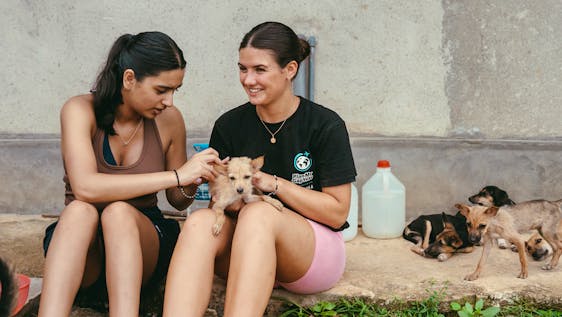
- Tasks: Triage, vaccinations (incl. rabies per plan), deworming, wound care/bandaging, spay/neuter assist, aftercare checks (pain, temp, intake), structured documentation.
- Impact: Measurable community benefits (bite prevention, reproductive control, zoonoses control).
- Hubs: Costa Rica, South Africa, India, Spain.
🦙 Livestock (herd health)
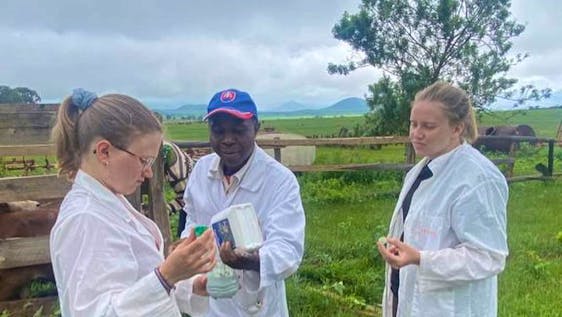
- Tasks: Body condition scoring, parasite/vaccine plans, feeding advice, herd records, workshops (zoonoses, welfare, economics).
- Impact: Direct leverage on income, food security, and public health.
- Hubs: Tanzania, France, some Peru.
🦥 Wildlife (rehab & release)
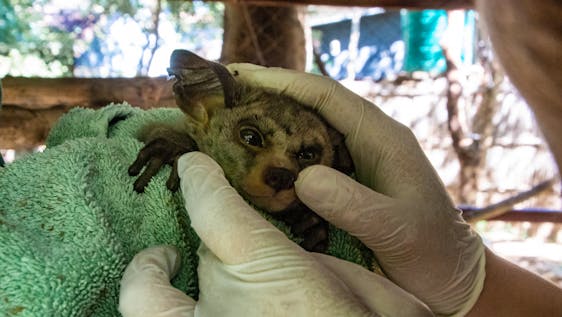
- Tasks: Rehab protocols, stress reduction (sound/light), meds, wound checks, enrichment, release documentation; no-contact where required.
- Impact: Conserving biodiversity & functioning ecosystems — visible in release rates and stability markers (weight/behavior).
- Hubs: Ecuador, Costa Rica, Australia.
🐴 Equine
- Tasks: Wound management, parasite control, assist with hoof/feeding plans, barn/pasture checks; riding depends on project & level.
- Impact: Continuous improvement of husbandry & health indicators (BCS, hooves, feed efficiency).
- Hubs: Peru, Spain, Portugal.
Quick-glance — small animals
Vaccinations Wound care Spay/neuter assist Aftercare monitoring Parasite control
🧩 Requirements & levels — honest self-assessment
| Level | You bring | Typical tasks | Evidence |
|---|---|---|---|
| Pre-vet | Motivation, willingness to learn, basic fitness | Observation, hygiene, documentation, pre/post-op support | Travel insurance, vaccination record, possible background check |
| Students | Clinic/anatomy basics, checklist routine | Vaccinations, wound care, surgical assist, basic lab | Enrollment letter, logbook (supervisor signature) |
| Graduates/professionals | Clinical routine, safe prioritization | Extended assist, mentoring, small quality improvements | License/registration (if relevant), CV |
Rule of thumb: 4–8 weeks enable continuity (same patients/herds, robust outcomes, documented learning).
🧮 Which programs fit your profile?
Map your level to regions, core tasks, and common documentation — you’ll find the right program faster.
| Profile | Recommended hubs | Core tasks | Docs (typ.) |
|---|---|---|---|
| Pre-vet | Spain, Portugal, Costa Rica | Hygiene/PPE, intake/triage, aftercare, basic documentation | Travel insurance, up-to-date tetanus, possible background check |
| Students (clinical phase) | South Africa, Thailand, Peru | Vaccines/deworming, wound care, spay/neuter assist, aftercare monitoring, SOAP notes | Enrollment letter, glove sizes, logbook (signature) |
| Graduates / professionals | Tanzania, Australia, Ecuador | Extended assist, mentoring, process/quality improvement, wildlife documentation for authorities | License/registration (if required), CV, references |
| Public-health focus | Tanzania, Peru, India | Community workshops (zoonoses), herd monitoring (cattle/goats/donkeys), data & outcome tracking | Basic epidemiology/One-Health (optional), presentation readiness |
| Wildlife rehab | Ecuador, Costa Rica, Australia. | Rehab protocols, meds, enrichment, behavior observation, pre-release | Acceptance of PPE rules, no-contact policy, possible rabies pre-exposure |
| Equine track | Peru, Spain, Portugal. | Wounds, parasites, hoof/feeding plans (assist), barn/ranch checks | Basic horse handling (ideal), helmet/boots (if not provided) |
Additional note for U.S. volunteers: If you’re pursuing DVM hours, ask your school whether international hours count toward your targets and what signatures/stamps they require from host supervisors.
🔎 Easy to scan: badges, notes & quick-glance
Badges (legend): Surgical assist Wildlife rehab Public health Equine Pre-vet friendly Credit possible
Example: South Africa (place under the hub map)
Surgical assist Public health Pre-vet friendly Credit possible
- Rotation: Triage → OR → Recovery
- Output/week: 25–40 spay/neuter assists (team)
- Skills: Asepsis, monitoring, SOAP documentation
🎒 Preparation & pack list (clinic-oriented)
- PPE & tools: washable scrubs/OR wear, closed shoes, goggles, mask; optional stethoscope, penlight, indelible marker (instrument/bag labels).
- Documents: travel insurance incl. evacuation, vaccination record, possible rabies pre-exposure, background/police check, emergency contacts (digital & print).
- Digital: Local SIM/eSIM, offline maps, translation app (medical basics), logbook template (PDF/Doc) for daily signatures.
Additional note for U.S. volunteers: Many travel-medical policies require add-on coverage for volunteer clinical work; confirm your policy explicitly covers animal-related activities and sharps exposure.
📈 Measuring impact — clean & transparent
- Outputs (weekly): counts of vaccinations, spay/neuters, wound treatments, rehab steps, education sessions (participants), checklist completion.
- Outcomes (quarterly): vaccine coverage, post-op infection rate, release rates, knowledge gain (pre/post), herd-health indicators.
- Quality & learning: Debriefs, “stop-the-line” culture, sterile-cycle error rate, mini-projects (new checklist, improved material flow).
🛡️ Ethics, data & consent
- Consent & data: Photo/video only with permission; no sensitive patient/client data online. Respect owners’ and teams’ privacy.
- Animal welfare: Do no harm — calm handling, adequate analgesia, stress reduction; for wildlife, observation before interaction.
- Respect & humility: You are a guest in systems that work without you. Added value = careful execution, willingness to learn, consistent hygiene — not “heroics.”
Additional note for U.S. volunteers: If you plan to bring meds/PPE from the U.S., check airline and customs rules. Controlled drugs should never be transported personally — hosts handle procurement.
❓ FAQ — Veterinary work abroad (SEO-friendly)
What does “veterinary work abroad” actually involve?
Intake/triage, vaccinations & deworming, wound care, assisting with spay/neuter, aftercare monitoring, and structured documentation. In wildlife centers: rehab/enrichment and pre-release checks. Responsibility scales with level (pre-vet → student → graduate/pro).
Which countries are especially suitable?
Popular hubs: Costa Rica, Peru, Ecuador, South Africa, Thailand, India, Spain, Portugal, France, Australia — choose by species, season, language, budget, and visa.
How long should I plan for (2–12+ weeks)?
2–3 weeks: onboarding/observation. 4–8 weeks: clinical depth & reliable outcomes. 12+ weeks: research/community plus small quality projects (under supervision). Longer stays improve continuity and learning curve.
What does it cost and what’s included?
Roughly €200–€1,200/week depending on hub/inclusions. Often included: accommodation, onboarding, supervision, basic materials, project donation. Optional: meals, language, airport transfer, workshops. Compare by country in the tables/profiles.
Do I need prior experience?
No for pre-vet tracks (hygiene, documentation, pre/post-op support). Students step into vaccines, wound care, and surgical assist. Graduates/pros take extended assist and process improvements. Wildlife prioritizes ethics/stress reduction and often no-contact.
Do hours count for credits, logs, or applications?
Often yes — when documented (logbook/signatures, confirmation). Align learning goals with your faculty in advance. Many hubs issue certificates of participation and sign off hours.
Which animals will I work with?
Small animals: dogs, cats (vaccines, wounds, spay/neuter, aftercare). Wildlife: sloths, primates, parrots, sea turtles, reptiles (rehab/enrichment, release). Equine: horses/donkeys (wounds/parasites, hoof/feeding — assist).
How “hands-on” is it?
Depends on level and hub: Pre-vet = more observation/prep/documentation; Students = vaccines, wounds, OR assist; Wildlife = rehab with no-contact zones. Always supervised and welfare-led.
Visas, vaccines, and insurance?
Vary by country. Common: travel-medical insurance (with evacuation), up-to-date tetanus & Hep A/B, sometimes rabies pre-exposure, background/police check. Start early.
Are there budget programs or ones with housing?
Yes, particularly in Latin America/Asia. Watch the “from” price, inclusions, season, and local costs. Many programs include/offer housing — see project profiles.
Can I combine two hubs?
Yes — e.g., 2 weeks Costa Rica (wildlife) + 2 weeks South Africa (clinic/community). Plan transfers/logistics, possible double intake, and visa/vaccines.
How do I safeguard quality, ethics and data?
Follow SOPs, hygiene/sharps rules, consent & photo policies; respect no-contact; use “stop-the-line” when standards are at risk. Document outputs and join debriefs.