
















































































Wildlife Conservation Volunteering
 Activities
 Animal
 Bird Conservation
 Monkey Conservation
 Sloth Sanctuary
 Americas
 Elephant Conservation
 Rhino Conservation
Three-toed Sloth
Rhino Conservation
Three-toed Sloth
 Central America
 Costa Rica
 Animal Sanctuary
 Parrot
 Leopardus Conservation
 Ocelot
 Macaw
Macaw
 Lion Conservation
 Hotspots
 Vegan
Vegan
 Africa
 Antelope Conservation
 Reptile Conservation
 Southern Africa
Two-toed Sloth
Southern Africa
Two-toed Sloth
 Planting Trees
 Southwest African Lion
 Anti Poaching
 South Africa
Black Rhino
South Africa
Black Rhino
 Giraffe Conservation
 Bear Conservation
 Howler Monkeys
 Families with small kids
 White Rhino
 Leopard Conservation
 African Leopard
Kinkajou
African Leopard
Kinkajou
 African Elephant
 Bush Elephant
 Crocodile
 Waste Reduction
 Capuchin Monkey
 Sea Turtle Conservation
Masai Giraffe
Sea Turtle Conservation
Masai Giraffe
 Kangaroo Conservation
 Asia
Asia
 South East Asia
 Cheetah Conservation
 Cockatoo
 Toucan
 South African Cheetah
 Zebra Conservation
Iguana
Zebra Conservation
Iguana
 Hyena Conservation
 Spotted Hyena
 Southern Giraffe
 Tiger Conservation
Bengal Tiger
Tiger Conservation
Bengal Tiger
 Mountain Zebra
 Kudu
Kudu
 Buffalo Conservation
 African Buffalo
 National Park
 Impala
 Thailand
 Horse
Horse
 Australia
 Australia and New Zealand
 Oceania
 Spider Monkey
 Asian Elephant
 Yoga
Yoga
 Green Sea Turtle
 Plastic Reduction
 Premium
 Kruger National Park
 Marmoset
 Bushbuck
 Wallaby
 Jaguar Conservation
 Leatherback Turtle
 Kangaroo
 Koala
Koala
 Koala Conservation
 Tapir Conservation
Tapir
Tapir Conservation
Tapir
 Wombat Conservation
 Wombat
Mexican Jaguar
Wombat
Mexican Jaguar
 Possum Conservation
Possum
Possum Conservation
Possum
 Macaque
 Safari
 Animal Shelter
Masai Lion
Animal Shelter
Masai Lion
 Eagle
West African Lion
Eagle
West African Lion
 Ocean Cleaning
 South America
 Indonesia
 Beach Cleaning
 Bali
Bali
 Caracal Conservation
 Intern Abroad
 Veterinary Training
 Eastern Africa
 Dog
Dog
 Squirrel Monkey
 Caracal
 Meerkat
 Meerkat Conservation
 Tamarin
Black Wildebeest
Tamarin
Black Wildebeest
 Zimbabwe
 Anteater Conservation
Horse Trekking
Anteater Conservation
Horse Trekking
 Namibia
 Tortoise Conservation
 Otter Conservation
Silky Anteater
Otter Conservation
Silky Anteater
 Limon
Limon
 Peru
Peru
 Bangkok
Horse Conservation
Bangkok
Horse Conservation
 Northwest African Cheetah
Sun Bear
Northwest African Cheetah
Sun Bear
 Baboon
 African Wild Dog Conservation
 North America
 Scouts
 Plains Zebra
Springbok
Plains Zebra
Springbok
 Canada
Cape Wild Dog
Canada
Cape Wild Dog
 Gibbon
 Civet
Civet Conservation
Civet
Civet Conservation
 Eurasian Otter
Asiatic Black Bear
Lorise
Eurasian Otter
Asiatic Black Bear
Lorise
 Cats
Natural Horsemanship
Cats
Natural Horsemanship
 Windhoek
 Owl
Owl
 Giant Tortoise
 Ecuador
 Europe
 Reforestation
Eland Antelope
Reforestation
Eland Antelope
 Warthog Conservation
Common Warthog
Warthog Conservation
Common Warthog
 Cusco
Cusco
 Elephant Research
 Jackal Conservation
Black-backed Jackal
Jackal Conservation
Black-backed Jackal
 Mongoose
 Mongoose Conservation
 Queensland
 Cambodia
 Amazon Rainforest
 Horse Sanctuary
 Indian Elephant
Galápagos Tortoise
Indian Elephant
Galápagos Tortoise
 Galapagos
 Wildcat Conservation
 Chameleon
 Southern Europe
 Grey Wolf
 Wolf Conservation
 Hippo Conservation
South African Hippo
Hippo Conservation
South African Hippo
 Port Elizabeth
Ostrich
Port Elizabeth
Ostrich
 Spain
Spain
 Malaga
Genet
Malaga
Genet
 Giant Otter
 Brazil
 Eastern Europe
 Hungary
Serval
Hungary
Serval
 British Columbia
 Manatee Conservation
Manatee
Manatee Conservation
Manatee
 Honey Badger
Badger Conservation
Honey Badger
Badger Conservation
 Insect Conservation
 Butterfly Conservation
Woolly Monkey
Butterfly Conservation
Woolly Monkey
 Sugar Glider Conservation
Sugar Glider
Sugar Glider Conservation
Sugar Glider
 Hawksbill Turtle
 Kenya
Kenya
 Iquitos
Brown Hyena
Bush Baby
Iquitos
Brown Hyena
Bush Baby
 Vervet Monkey
 Lemur
Lemur
 Madagascar
 Nosy Be
 Chiang Mai
 Plant Conservation
Mangrove
Desert Elephant
Sumatran Tiger
Plant Conservation
Mangrove
Desert Elephant
Sumatran Tiger
 Nyala
Nyala
 Duiker
 Blesbok
 Waterbuck
 Elusive Pangolin
Pangolin Conservation
Songbird
Elusive Pangolin
Pangolin Conservation
Songbird
 Bat
Bat Conservation
Peruvian Jaguar
Giant Anteater
Bat
Bat Conservation
Peruvian Jaguar
Giant Anteater
 Tasmanian Devil
 Conservation
Northern Giraffe
African Wildcat
Blue Wildebeest
East African Wild Dog
Tasmanian Devil
Tasmanian Devil Conservation
Northern Giraffe
African Wildcat
Blue Wildebeest
East African Wild Dog
 Laos
Laos
 Tasmania
Pantanal Jaguar
Brown Bear
Sea Otter
Tasmania
Pantanal Jaguar
Brown Bear
Sea Otter
 Eastern Asia
 Mongolia
North American River Otter
Mongolia
North American River Otter
 United States Of America
 Koh Samui
 Hawaii
Harnas
Hawaii
Harnas
 Orangutan
 Great Apes Conservation
 Borneo
 Falcon
 Tubulidentata Conservation
 Aardvark
 Italy
Italy
 Spanish Courses
 Language Course
Andean Bear
Language Course
Andean Bear
 Portugal
 Plettenberg Bay
 Southern Asia
 Bolivia
Flatback Turtle
Yellow Footed Amazon Tortoise
Bolivia
Flatback Turtle
Yellow Footed Amazon Tortoise
 Cairns
 Sri Lanka
 Cape Town
 Olive Ridley Turtle
 Loggerhead Turtle
 Tanzania
Asian Wildcat
Tanzania
Asian Wildcat
 Cougar Conservation
Striped Hyena
Northern South American Cougar
Cougar Conservation
Striped Hyena
Northern South American Cougar
 Nicaragua
Dusky Leaf Monkey
Nicaragua
Dusky Leaf Monkey
 Split
European Brown Bear
Split
European Brown Bear
 Croatia
 Indigenous cultures
 Tanzanian Cheetah
 Transvaal Lion
 Sri Lankan Elephant
 Oryx
Oryx
 San Jose
 Ecological Farming
Margay
Ecological Farming
Margay
 Guatemala
 Puerto Viejo
 Nepal
Indian Rhino
Nepal
Indian Rhino
 Sloth Bear
 Leopard Shark
 Shark Conservation
 Greece
 Machu Picchu
 Victoria Falls
 Northern Africa
 Egypt
Egypt
 Lisbon
 African Penguin
Penguin Conservation
African Penguin
Penguin Conservation
 Zanzibar
 Oaxaca
 Mexico
 Caiman
 Paraguay
Costa Rican Cougar
Paraguay
Costa Rican Cougar
 Florida
 Malawi
 Sumatra
Siamang
Sumatra
Siamang
 Dolphin Conservation
Amazon River Dolphin
Oncilla
Dolphin Conservation
Amazon River Dolphin
Oncilla
 Western Africa
 Ghana
Ghana
 Kumasi
Black-and-white Colobus
Mona Monkey
Kumasi
Black-and-white Colobus
Mona Monkey
 Günthers Dik-Dik
 Antigua
 Guyana
 Bee Conservation
Beehive
Bee Conservation
Beehive
 Horse Therapy
 Hiking
 Gambia
 Botswana
Humpback Dolphin
Leopard Cat
Indochinese Tiger
Alligator
Botswana
Humpback Dolphin
Leopard Cat
Indochinese Tiger
Alligator
 Deer Conservation
 Iceland
 Soccer
Water Buffalo
Soccer
Water Buffalo
 Lake Titicaca
 Northern Europe
 Cape Verde
 Reindeer
 Porto
Porto
 China
African Black Eagle
China
African Black Eagle
 Amur Tiger
 Golden Jackal
 Side-striped Jackal
 Husky
Husky
 Knysna
Flamingo
Knysna
Flamingo
 Bottlenose Dolphin
 Humpback Whale
Spinner Dolphin
Humpback Whale
Spinner Dolphin
 Whale Conservation
Deer
Whale Conservation
Deer
 Mozambique
Atlantic Spotted Dolphin
Mozambique
Atlantic Spotted Dolphin


















Wildlife Volunteer Opportunities
From quiet dawn patrols that protect tiny sea turtle hatchlings to telemetry drives tracking lions across the savannah, wildlife conservation volunteering turns your time into measurable impact. This 360° guide helps you compare short-term wildlife conservation trips (1–2 weeks) with longer internships, choose between affordable wildlife conservation programs and premium options, and find ethical sanctuaries (no riding, no cub-petting) across land and marine projects.
Whether you’re a first-timer, a family planning a meaningful break, a student building field skills, or an experienced professional, you’ll find clear pathways into vetted projects that support animals, habitats, and local communities. Compare options at a glance, then dive deeper into Africa, Asia, Latin America, Europe, and Australia & Oceania.
TL;DR — Wildlife Volunteering at a Glance
- Land vs. Marine: Land = elephants, big cats, primates; Marine = turtles, reefs, dolphins. Match to skills (e.g., marine conservation internships vs. ethical elephant sanctuary Thailand (no riding)).
- Who can join? Everyone — from family-friendly wildlife volunteering and 50+ wildlife volunteers to college students and wildlife veterinary internships.
- Costs: ~€150–€600/wk (Asia/LatAm) and €400–€1,200+/wk (Africa/Australia). See affordable wildlife conservation programs and check for off-peak discounts.
- Time: Short-term (1–2 weeks) works for turtles/sanctuaries (e.g., Costa Rica turtle conservation volunteer). Research-heavy roles prefer 6–12+ weeks.
- Ethics: No riding/cub-petting or performance behaviors; transparent data. Start with vetted ethical wildlife volunteering programs.
🌱 Why Wildlife Conservation Volunteering Matters
Wildlife conservation is more than a noble cause — it keeps ecosystems functional. When we conserve wildlife, we protect species and the habitats that provide clean air, water, food security and climate stability.
- Ecological balance: diverse, connected ecosystems are more resilient to shocks.
- Preventing extinctions: when species vanish, ecosystem services crumble — often hurting local communities first.
- Future generations: acting today safeguards a living planet for tomorrow. 🌍
✅ Ethical Wildlife Volunteering Checklist
- No riding/cub-petting or performance behaviors; minimal handling.
- Clear welfare protocols (diet, enrichment, vet access) and no breeding for entertainment.
- Community benefit: jobs, training, eco-education for locals.
- Science-based methods (camera traps, standardized surveys, transparent data reporting).
- Environmental safeguards: reef-safe sunscreen, biosecurity boot cleaning, responsible waste management.
- Safeguarding & safety: trained staff, 24/7 support, incident procedures, insured operations.
🔍 How We Vet Wildlife Programs
- Animal welfare audit: no riding/cub-petting or performance behaviors; minimal handling; species-appropriate enrichment; no commercial breeding.
- Community benefit: fair local employment, training pathways, and eco-education.
- Science & monitoring: standardized methods (camera traps, line/reef transects), transparent data logs, and conservation outcomes.
- Safeguarding & risk: trained staff, 24/7 support, incident procedures, compliant insurance.
- Annual re-review + spot checks: we re-assess partners yearly and can pause listings if standards slip.
Only a minority of applicants meet our bar. If a listed project fails a check, we delist it until issues are fixed.
🦏 Biggest Threats to Wildlife
Wildlife faces mounting pressures from human activity. Populations shrink due to slow reproduction, habitat loss and hunting driven by trade or conflict near human settlements. As we reshape landscapes, we also erode ecosystems through:
- 🌳 Deforestation
- 🛢️ Pollution
- ⛏️ Overexploitation of natural resources
- 🏙️ Urban expansion
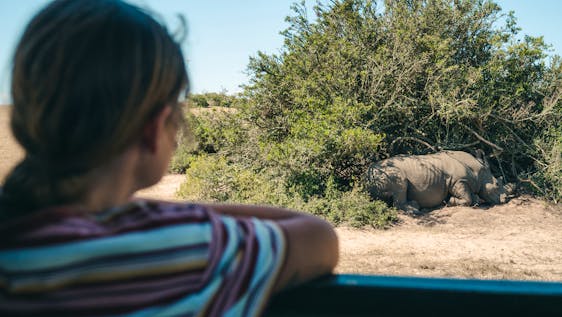
A heartbreaking example is the northern white rhino: the last known male (Sudan) died in 2018. Only two females survive under protection, while advanced reproductive science is being trialed to prevent total loss.
🧭 Before You Book: Key Questions & Red Flags
- Weekly task split (care vs. research vs. education) and a sample rota?
- How is impact measured? Last season’s summary available?
- Safeguarding & emergency protocols; 24/7 on-call contact?
- Community benefits (local jobs, training, eco-education)?
- Required skills/certifications (e.g., PADI)? On-site training?
🚩 Red Flags
- Any riding/cub-petting, staged encounters, or performance behaviors.
- Vague “conservation” claims without transparent data.
- Volunteers replacing core staff roles.
- Pressure for wildlife selfies or breaking distance rules.
🐘 How Can I Help? (Volunteer Roles)
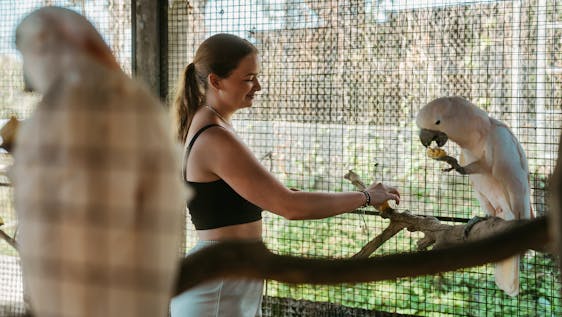
Wildlife conservation volunteering and internships are as diverse as nature itself. You can contribute hands-on in rescue centres and sanctuaries, or support research and habitat restoration. Raising awareness among visitors and local communities is a key part of lasting impact.
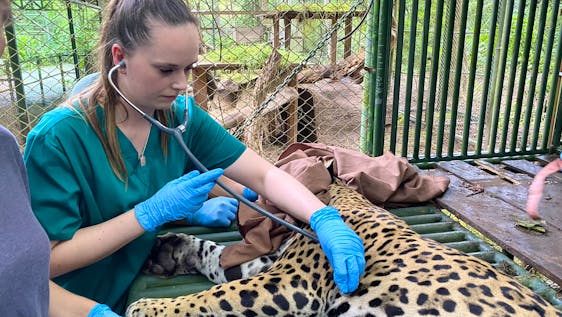
🔧 Typical tasks: clean & maintain enclosures 🧹, prepare food 🥕, animal care, behavioural observation & data collection 📊, community & visitor education 📣, habitat work (e.g., invasive plant removal) 🌿, support for veterinary care 🏥, and fundraising/education events 🤝.
🌍 Land vs. Marine Wildlife Volunteering
A rainforest station, a turtle beach, and a coral reef demand different routines and skills. Use this to choose confidently.
| Type | Flagship Wildlife | Core Volunteer Tasks | Skills Needed | Typical Cost / Week | Best Fit For | Explore |
|---|---|---|---|---|---|---|
| 🐘 Land | Elephants, lions, rhinos, gorillas, sloths, jaguars | Feeding & enrichment, camera-trap surveys, spoor tracking, anti-poaching support, reforestation | Basic fitness; specialist tracks for vet/ecology | €150–€1,000+ | Beginners, families, students, 50+, researchers | ethical elephant volunteering Thailand (no riding) • big cat monitoring South Africa • wildlife rehabilitation volunteer opportunities |
| 🌊 Marine | Turtles, dolphins, whales, sharks, coral reefs | Reef/fish transects, BRUVs, hatchling night patrols, ghost-net & plastic reduction cleanups | PADI/Open Water for dive surveys; none for turtle beaches | €200–€1,200+ | Divers, students, eco-travelers | marine conservation internship Great Barrier Reef (PADI) • GBR reef surveys • sea turtle night patrol volunteer Greece |
🧭 Exotic & Specialist Wildlife Opportunities
Looking for something rarer than the headline species? These tracks need careful handling, extra prep, and strong ethics.
| Species / Focus | Where | What You’ll Actually Do | Skill Level | Best Window | Explore |
|---|---|---|---|---|---|
| African Wild Dog | Southern Africa | Telemetry, pack ID, den-site monitoring, conflict-mitigation briefings | Intermediate | Dry season | wild dog conservation |
| Bonobo | Central Africa | Sanctuary support, enrichment design, food prep, behavior logs | Intermediate; welfare-first | Year-round | bonobo projects |
| Lowland Gorillas | Central Africa | Remote camera grids, nest counts, vegetation plots, ranger support | Advanced (fitness) | Dry months | lowland gorillas |
| Lemurs (incl. Aye-aye) | Madagascar | Habitat restoration, transects, invasive plant removal, outreach | Beginner → Intermediate | May–Oct | lemur conservation • Madagascar |
| Tasmanian Devil | Tasmania | Captive care support, release-site prep, monitoring bait stations | Beginner → Intermediate | Mar–Sep | Tasmanian devil projects |
| Manatee | Caribbean/Central America | Boat-based observation, seagrass checks, visitor education | Beginner; swim comfort | Warm months | manatee conservation |
| Manta Ray | Indonesia / Pacific | Photo-ID catalogs, plankton tows, cleaning-station etiquette | Divers (PADI) | Dry/shoulder season | manta ray projects |
| Whale Shark | Mexico / Indo-Pacific | Photo-ID, plankton mapping, ecotourism impact surveys | Snorkel/Dive | Regional peaks | whale shark photo-ID volunteer Mexico/Indo-Pacific |
| Penguins | Southern Africa / Austral regions | Rehab husbandry, oiling response training, colony counts | Beginner → Intermediate | Cooler months | penguin rehabilitation volunteer South Africa |
| Sharks (survey & tagging) | GBR, South Africa, Mediterranean | BRUVs, fin-ID, acoustic receivers, staff-led tagging | Divers for surveys | Fair-weather seas | shark research & tagging volunteer programs • hammerhead surveys • great white conservation South Africa |
Related: Marine Big 5.
🏙️ Urban & Peri-Urban Gateways (Short Trips Near Cities)
Conservation isn’t only remote. These gateways enable urban wildlife conservation volunteering near major hubs — ideal for short-term trips.
| City Base | Wildlife Focus | Typical Tasks | Best For | Explore |
|---|---|---|---|---|
| Athens / Crete | Mediterranean turtles, coastal birds | Night patrols, hatchery work, beach cleanups | Families, 1–2 week trips | sea turtle Greece • beach cleaning • plastic reduction |
| Barcelona / Valencia | Wetlands & urban biodiversity | Bird counts, habitat restoration, citizen science | Beginners, students | marine life Europe • conservation Spain/Med |
| Lisbon / Porto | Atlantic coast, dolphins | Boat-based surveys, stranding support (staff-led) | Short stays, 50+ | whale & dolphin • seal rescue |
| Reykjavik | Cold-water marine mammals | Photo-ID, pattern matching, outreach | Adventure travelers | Iceland • North Atlantic surveys |
| Johannesburg | Rescue & rehab, peri-urban carnivores | Animal care, enrichment, camera traps | Beginners, gap years | animal projects Johannesburg • street animals |
🌍 Where to Volunteer: Regions & Species
🦒 Africa — Safeguarding Iconic Species
Many people first think of African wildlife — a safari in South Africa or Kenya 🦓 is on countless bucket lists. The biodiversity across savannahs, plains, mountains and rainforests is immense, yet many populations are declining and need protection.
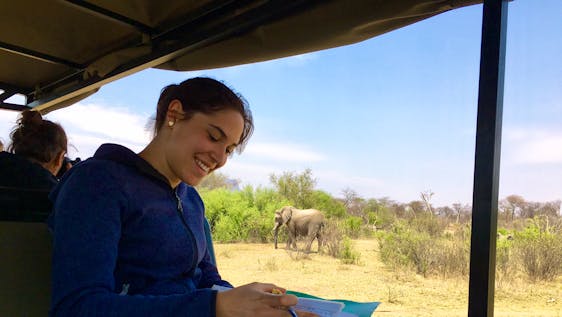
- 🐘🦏🦁🐆🐃 Big Five
- 🐒 Mountain gorillas (Uganda/Rwanda)
- 🐘 Elephant conservation
- 🦏 Rhino conservation
- 🐆 Cheetah conservation
- 🐆 Leopard conservation
- 🦒 Giraffe conservation
- 🐒 Primate conservation
🐘 Asia — Elephants, Orangutans & Sea Turtles
Asia is home to 🐘 Asian elephants, 🦍 orangutans, 🐅 tigers and 🐢 sea turtles — many threatened by habitat loss, poaching and unsustainable tourism.
- 🐘 Asian elephant conservation
- 🦍 Orangutan conservation
- 🐅 Tiger conservation
- 🐢 Sea turtle conservation
🐒 Latin America — Rainforests & Rewilding
The Amazon rainforest 🌳 hosts astonishing biodiversity. Projects span rescue & rehabilitation, anti-poaching support, and community education.
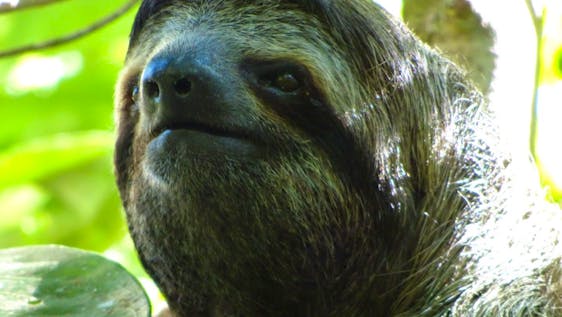
- 🦥 Sloth rescue & care
- 🐒 Primate projects
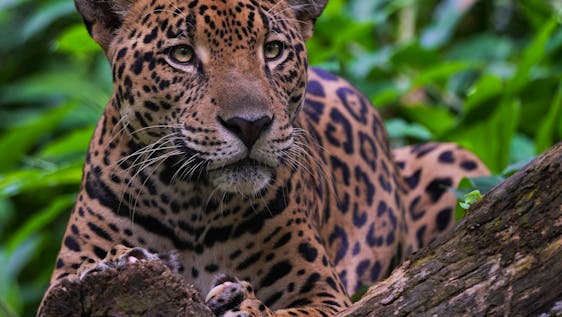
- 🐆 Jaguars & pumas • 🦜 Parrots & tropical birds
- 🐢 Sea turtle nesting protection
🐨 Australia — Unique Species, Unique Challenges
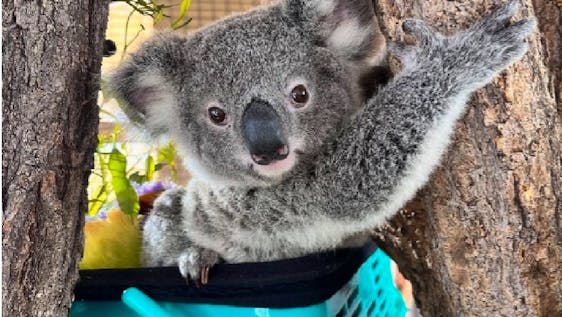
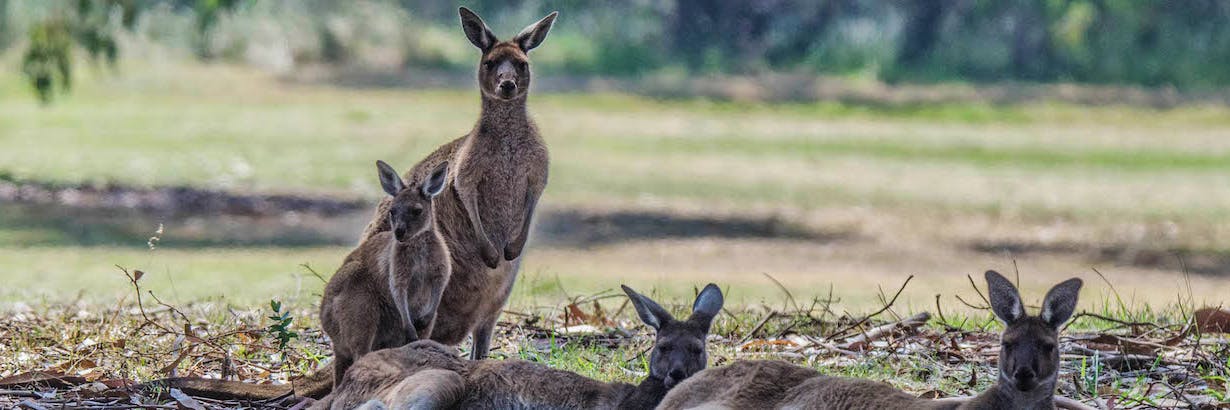
Australia is home to 🐨 koalas and 🦘 kangaroos, with threats including fire mismanagement, invasive predators and climate impacts. Threatened species are listed under the Environment Protection and Biodiversity Conservation (EPBC) Act 1999.
- 🔥 Fire management & habitat restoration
- 🐈 Ferals (foxes, cats) mitigation support
- 🏥 Wildlife rehabilitation & education
🐺 Europe — Wolves, Bears & Habitats
Europe offers meaningful opportunities too — from wolf support in Portugal to bear conservation in Croatia, plus wetlands, pollinators and rewilding projects across the continent.
🗺️ Wildlife Volunteering by Region (Deep Dive)
| Region | Flagship Species | Volunteer Roles (examples) | Skill Level | Cost Range | Best Fit For | Unique Experience | Explore |
|---|---|---|---|---|---|---|---|
| Africa | Big Five, gorillas, cheetahs, rhinos | Anti-poaching patrols, camera traps, spoor tracking, waterhole/fenceline maintenance | Moderate; advanced for patrols | €500–€1,200/wk | Students, adventure travelers, specialists | Safari-scale ecology; ranger skills | big cat monitoring volunteer South Africa • mountain gorilla conservation Uganda/Rwanda • rhino conservation volunteer programs |
| Asia | Elephants, orangutans, tigers, sea turtles | Sanctuary care, jungle transects, turtle nest patrols, visitor education | Beginner → intermediate | €150–€600/wk | Beginners, families, cultural explorers | Hands-on sanctuary work; temple/rainforest immersion | ethical elephant sanctuary Thailand • orangutan volunteering Borneo (ethical) • sea turtle conservation Asia |
| Latin America | Sloths, jaguars, monkeys, parrots, turtles | Rescue & rehab, jaguar camera grids, reforestation, eco-workshops | Beginner → advanced | €200–€700/wk | Gap years, students, eco-tourists | Amazon expeditions; turtle beaches | family-friendly wildlife volunteering Costa Rica • rainforest conservation volunteer Amazon/Peru • sea turtle conservation Costa Rica |
| Australia & Oceania | Koalas, kangaroos, whales, reef corals | Bushfire recovery, koala husbandry, reef transects, marine mammal monitoring | Beginner → advanced (PADI) | €400–€1,200/wk | Divers, students, structured family trips | Land + marine mix; Great Barrier Reef | koala conservation • GBR projects • New Zealand wildlife |
| Europe | Wolves, bears, lynx, seals, whales, pollinators | Rewilding, wolf tracking, marine mammal surveys, wetland restoration | Beginner-friendly (adv. for whales) | €100–€400/wk | Short-term, budget options | Low-cost access; culture + conservation | wolf conservation volunteer Europe • bear monitoring • seal rescue |
📅 Seasonality: When to Go (By Region)
Windows vary by habitat and coastline. Confirm exact dates on each listing.
Africa
| Focus | Good | Better | Best | Notes | Explore |
|---|---|---|---|---|---|
| Big cats & savannah research | Apr–May | Jun–Jul | Aug–Oct | Dry months = higher visibility | lions • rhinos |
| Elephant sanctuaries | Year-round | — | — | Peak tourism may raise costs | South Africa • Africa |
Asia
| Focus | Good | Better | Best | Notes | Explore |
|---|---|---|---|---|---|
| Elephants (ethical sanctuaries) | Nov–Feb | Mar–Apr | — | Cooler/drier = more comfortable | Thailand • Sri Lanka |
| Sea turtles (by beach) | Apr–Jun | Jul–Sep | Oct–Nov | Varies by coast/country | Asia turtles |
| Orangutans & rainforest | May–Jun | Jul–Aug | Sep | Muddy trails; superb biodiversity | orangutan projects • Borneo |
Latin America
| Focus | Good | Better | Best | Notes | Explore |
|---|---|---|---|---|---|
| Sea turtles (Caribbean) | Jun | Jul–Aug | Sep | Caribbean vs. Pacific differs | Costa Rica turtles |
| Jaguar & rainforest research | May–Jun | Jul–Aug | Sep–Oct | Rainfall affects access | jaguar projects • Amazon |
| Rescue & rehabilitation | Year-round | — | — | Intakes fluctuate | sloth care • Costa Rica |
Australia & Oceania
| Focus | Good | Better | Best | Notes | Explore |
|---|---|---|---|---|---|
| Great Barrier Reef surveys | May–Jun | Jul–Sep | Oct | Calmer seas; stinger season varies | GBR • marine internships |
| Koalas & bushfire recovery | Mar–May | Jun–Aug | Sep | Heat/fire risk varies by state | koala conservation • Australia |
Europe
| Focus | Good | Better | Best | Notes | Explore |
|---|---|---|---|---|---|
| Wolf/bear monitoring | Apr–May | Jun–Jul | Sep–Oct | Rewilding peaks in summer/fall | wolves • bears |
| Sea turtles (Mediterranean) | Jun | Jul–Aug | Sep | Night patrols, day education | Greece turtles • marine life Europe |
🗓️ Sample Itinerary Recipes (1–2 Weeks)
Sea Turtles (Costa Rica)
Days 1–2: Orientation, beach mapping, hatchery setup • Days 3–5: Night patrols + dawn checks • Days 6–7: Education workshops & hatchling release • Optional week 2: Community outreach + advanced patrol leadership.
Explore: Costa Rica turtles
Big Cat Monitoring (South Africa)
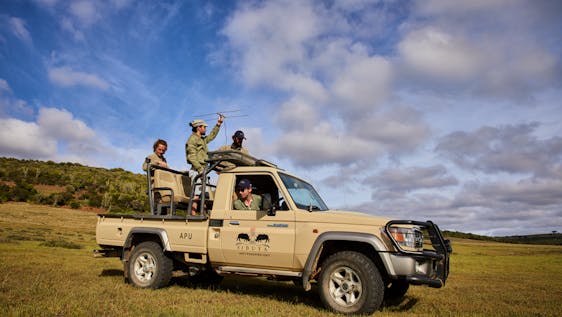
Days 1–2: Ranger safety, telemetry basics • Days 3–5: Camera-trap service runs, spoor ID • Days 6–7: Waterhole maintenance & data day • Optional week 2: Expanded grid checks & coexistence workshop.
Explore: lion projects • rhino projects
Reef Surveys (Great Barrier Reef)
Days 1–2: Dive refresh/PADI referral, fish ID • Days 3–5: Transect dives + debris logging • Days 6–7: Data upload & marine biology talks • Optional week 2: Advanced survey methods or BRUVs.
Explore: Great Barrier Reef • marine internships
👥 Who Can Volunteer?
| Profile | Entry Barriers | Example Tasks | Best Locations | Value for the Volunteer | Explore |
|---|---|---|---|---|---|
| 🙋 Beginners | No prior experience required | Feeding animals, cleaning enclosures, assisting staff | Borneo sanctuaries, Tanzania shelters | Hands-on learning, cultural immersion | animal shelters |
| 👨👩👧 Families | Safe & child-friendly projects | Turtle releases, eco-workshops, light habitat work | Costa Rica, Sri Lanka | Bonding + education | family volunteering • family in Costa Rica |
| 🎓 Students | Sometimes study background | Field surveys, data collection, GIS mapping | South Africa, Peru, Australia | Credits, career skills | student programs • internships |
| 👵 50+ Volunteers | Prefer structure & comfort | Community outreach, guided care, eco-education | Africa reserves, Asia sanctuaries | Purposeful travel | 50+ volunteering • adults |
| 🩺 Specialists | Relevant degree/training | Medical care, tagging, leading research | South Africa vet tracks, Indonesia primates | Publications, career advancement | vet training • primate research |
💰 Costs & Funding Options
| Program Type | Includes | Experience Level | Tips | Explore |
|---|---|---|---|---|
| Standard | Accommodation, meals, in-country support | Beginner → Intermediate | Compare value & reviews | best programs |
| Low-cost | Basic homestays, shared facilities | Beginners, students | Choose community-led projects | free & cheap |
| Premium | Private housing, excursions, extras | Families & pros | Comfort + impact | premium |
| Specialist Internships | Training, certifications (diving/vet) | Advanced | Prioritize mentorship | marine internships • veterinary programs |
Looking for affordable wildlife conservation programs? Combine low program fees with realistic on-site costs, off-peak travel, and occasional fee waivers from hosts.
🧾 Your True Trip Cost (Quick Worksheet)
| Line Item | Typical Range | Notes |
|---|---|---|
| Program fee | €150–€1,200/wk | Varies by region & inclusions |
| Flights | €250–€1,200 | Book early; shoulder season |
| Visa & entry | €0–€120 | Country dependent |
| Vaccines/meds | €50–€400 | Travel clinic 6–8 weeks ahead |
| Insurance | €30–€120 | Medical + trip cover |
| Weekend spending | €40–€150 | Local costs & tours |
⏱️ Duration vs. Outcomes
| Length | What You’ll Achieve | Best For | Explore |
|---|---|---|---|
| 1–2 weeks | Support hatcheries, rehab routines, complete micro-project (e.g., 5 km camera-trap service) | Families, beginners, busy professionals | turtle night patrols • rehab support |
| 3–5 weeks | Rotate across methods; contribute to seasonal datasets | Students, gap years | jaguar camera grids • koala husbandry |
| 6–12+ weeks | Lead patrols (supervised), analyze data, co-author internal reports | Interns, specialists | wildlife veterinary internship in South Africa • PADI divemaster conservation internship Indonesia |
🕐 What Does a Day Look Like?
🐢 Sea Turtle Conservation
- 🌅 Dawn beach checks; protect nests.
- ☀️ Hatchery maintenance; visitor/school eco-talks.
- 🌙 Night patrols; hatchling release; nesting data.
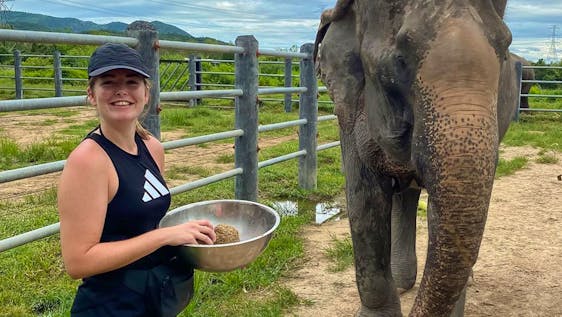
🐘 Elephant Sanctuaries
- 🌅 Harvest/deliver feed.
- ☀️ Enrichment (mud, puzzles), cleaning, visitor education.
- 🌙 Behavior observations; research logs.
🦁 Big Cat & Savannah Projects
- 🌅 Ranger drives with telemetry & spoor tracking.
- ☀️ Camera-trap maintenance, waterhole/fenceline work, data input.
- 🌙 Coexistence workshops & anti-poaching awareness (staff-led).
🦍 Primate & Rainforest
- 🌅 Follows & diet notes.
- ☀️ Reforestation; invasive removal; platform repairs.
- 🌙 Data entry & team brief.
🌊 Marine & Reefs
- 🌅 Dive/snorkel transects; ID work.
- ☀️ Ghost-net removal; beach cleanups; logs.
- 🌙 Marine bio talks; gear prep.
🦥 Rescue & Rehabilitation
- 🌅 Diet prep for sloths/parrots/etc.
- ☀️ Cleaning, health checks, physio support.
- 🌙 Release support / eco-events (staff-led).
📚 Methods Glossary (Plain English)
- Camera Trap Grid
- Network of motion cameras to map activity and estimate populations.
- Spoor Tracking
- Reading tracks, scat, and signs to identify species/routes.
- Line Transect
- Walking a set route and recording standardized observations.
- BRUV
- Baited Remote Underwater Video for non-intrusive fish/shark surveys.
- Photo-ID Catalog
- Matching unique markings (e.g., whale shark spots) to track individuals.
- Mark–Recapture
- Estimating population size by re-sighting marked individuals.
🚫 What You Won’t Do (Ethical Standards)
Sea Turtle Projects
- No handling for photos.
- No artificial light on beaches.
- No off-protocol nest moves.
Elephant Sanctuaries
- No riding/bathing/performances.
- No direct feeding unless staff-directed welfare care.
- No hooks/chains.
Big Cats & Savannah
- No cub-petting or staged encounters.
- No walking with lions.
- No off-route tracking without ranger.
Primate & Rainforest
- No feeding/baiting.
- No close approach to unhabituated groups.
- No trail cutting outside transects.
Marine & Reefs
- No touching corals/chasing wildlife.
- No non-reef-safe sunscreen in water.
- No dives beyond your cert/conditions.
Rescue & Rehabilitation
- No handling beyond protocols.
- No stressful public interactions.
- No unauthorized releases.
💡 Insider Pro Tips (From the Field)
🛡️ Safety at a Glance
| Project Type | Risk | Main Hazards | Controls | Prerequisites | Who It Suits |
|---|---|---|---|---|---|
| Sea turtle beaches | Low | Night fatigue, uneven sand | Team patrols, headlamps, tide checks | Basic fitness | Families, beginners |
| Elephant sanctuaries | Low–Med | Heavy feed; large animals | Buffer zones, staff-led routines | Basic fitness | Families, 50+ |
| Big cat monitoring | Medium | Wildlife proximity (vehicles) | Ranger-led drives, radio check-ins | Moderate fitness | Students, fit adults |
| Rainforest transects | Medium | Humidity, slips, insects | Guide ratios, PPE, weather cut-offs | Moderate–good fitness | Students, adventurous beginners |
| Reef surveys (diving) | Medium | Currents, boats, gear issues | PADI, buddy system, boat briefings | Dive cert (or on-site) | Divers, marine interns |
| Marine mammals (boats) | Low–Med | Sun, seasickness | Lifejackets, shade, hydration | Basic fitness | Beginners, families |
| Rescue & rehab | Low | Scratches, allergens | PPE, handling protocols | None | Beginners, 50+ |
All projects include on-arrival safety briefings. Always follow staff instructions and local regulations.
🎒 How to Pack for Wildlife Volunteering (By Project Style)
Pack light, durable, and ethically. Always check your program’s pre-departure list.
🐘 Savannah Patrols (Africa)
- Neutral, quick-dry layers; warm night layer
- Sturdy boots; hat; dust buff
- Headlamp (red mode); hydration pack
- Med kit; high-SPF reef-safe sunscreen
- Binoculars; small field notebook
- Explore: South Africa • Africa reserves
🌿 Rainforest Stations (Amazon, Borneo)
- Light insect-proof layers; rain jacket/poncho
- Leech socks; trail shoes
- Dry bags; silica gel
- Electrolytes; blister care
- Biodegradable toiletries
- Explore: Amazon • Borneo primates
🐢 Turtle Beaches (Costa Rica, Med)
- Dark clothes for night patrols
- Headlamp with red filter + spares
- Sand-friendly shoes
- Reusable bottle; electrolytes
- Reef-safe sunscreen
- Explore: Costa Rica turtles • Greece turtles
🌊 Reef Diving / Marine Surveys (GBR, Indonesia, Greece)
- PADI card/logbook; trusted mask
- Rash guard / 3–5mm wetsuit
- Dry bag; motion-sickness remedies
- Dive computer (optional); save-a-dive kit
- Waterproof notebook/pen
- Explore: GBR • Indonesia marine • Greece marine
🦥 Rescue & Rehabilitation Centers
- Washable work clothes; closed shoes
- Reusable gloves (optional); sanitizer
- Feeding/med log notebook
- Quick-dry towel; eco detergent sheets
- Small thank-you gifts (optional)
- Explore: sloth care • animal shelters
❄️ Cold-Water Marine Mammals (Iceland, British Columbia)
- Thermal base layers; waterproof shell
- Insulated gloves; wool hat
- Waterproof boots with grip
- Dry bags; spare power bank
- Anti-slip deck soles
- Explore: Iceland • British Columbia • whale & dolphin projects
🧰 Readiness Checklist
- Fitness: match tasks to your activity level.
- Health: vaccines/meds — travel clinic 6–8 weeks prior.
- Insurance: medical + trip coverage.
- Certs: PADI for dive surveys; first aid is a plus.
- Expectations: wildlife is not a petting zoo — observation first.
🔎 Not Sure Where to Start? (Fast Pathways)
- Family, 2–3 weeks: Costa Rica turtles or Sri Lanka elephants.
- Student, career track: marine conservation internships, rainforest research internships, primate research internships.
- 50+, structured comfort: koala care or premium wildlife programs.
- Budget first: free & cheap options.
🎁 Benefits of Wildlife Conservation Volunteering
- 💖 Meaning: contribute to something bigger and see real-world impact.
- 📣 Awareness: educate others and amplify conservation messages.
- 🤝 Community: meet like-minded people from around the world.
- 🌏 Culture: live like a local and broaden your perspective.
- 🚀 Career: gain experience in ecology, animal care & field methods — great on a CV.
☝🏽 How to Start Your Wildlife Conservation Volunteering 🧳
- ✔️ Review project requirements and check the fit.
- 📍 Choose your destination.
- 💬 Contact the organisation via Volunteer World to align expectations & dates.
Then sort your travel insurance 🛡️, passport & visa 🛂, and required documents 📝 — and you’re ready for your adventure 🐾.
🧐 Who Can Volunteer?
🔞 Minimum Age
Projects working with dangerous wildlife typically accept volunteers 18+. Sanctuaries and projects with less-dangerous species may accept under-18s (check each listing).
⏱️ Duration & Start Dates
Common stays are 2–12 weeks; some accept 1–2 weeks, others prefer 8+ weeks for continuity. Start dates are usually flexible year-round.
📅 Best Time to Volunteer (Quick Guide)
• Africa: often dry season ☀️ (e.g., Jun–Oct) — wildlife more visible for monitoring.
• Asia: varies by country & species — e.g., turtle season 🐢 in Sri Lanka (often Apr–Sep).
• Latin America: nesting seasons in Costa Rica 🇨🇷 (varies by coast, e.g., Jul–Dec); rainforest projects year-round 🌧️.
• Australia: seasonal — consider heat & bushfire risk 🔥; many rehab centres operate year-round.
📑 Evidence & Claims: How We Keep This Page Accurate
- Methodology: task lists and safety controls are compiled from partner SOPs and on-site manuals, then reviewed by specialists.
- Outcome language: we avoid inflated claims; program pages publish methods (e.g., camera-trap protocols, BRUVs), not just anecdotes.
- Annual review: ethics/welfare checks and impact summaries prompt re-scoring or delisting if standards slip.
🎓 Academic Credit & Career Pathways
Need credits or a career bridge? Pair fieldwork with supervision:
- University sign-off + learning objectives (pre-arrival).
- Weekly supervision notes & dataset contributions.
- Capstone/report option for internships 6–12+ weeks.
Explore internships, student programs, wildlife veterinary training.
🧯 Safeguarding & Risk Management (Our Standards)
- Formal risk assessments per project type; daily briefings.
- Incident reporting, first-aid coverage, emergency transport plans.
- Child & vulnerable adult safeguarding where relevant (families/schools).
♿ Accessibility & Inclusion
Many projects can adapt tasks (data entry, visitor education, hatchery work). Tell hosts early about mobility, neurodiversity, or dietary needs. We highlight accessible housing and task options on program pages.
📖 Volunteer Snapshots
Maria, 19 (Peru): set up jaguar camera traps and logged parrot counts — theory turned into field skills.
The Müller family (Sri Lanka): night patrols & hatchling releases — safe, meaningful, unforgettable.
David, 62 (South Africa): lion monitoring and eco-education — impact has no age limit.









































❓ Wildlife Volunteering — Extended FAQ
Can I volunteer with wildlife if I have no experience?
Yes — many entry roles train you on arrival (e.g., sloth care or animal shelters). Start with beginner-friendly sanctuaries and short-term wildlife conservation trips.
What projects work well for families with children?
Sea turtle patrols in Costa Rica and elephant sanctuaries in Sri Lanka are popular, well-structured options. See family volunteer programs for more choices.
Land vs. marine — key differences?
Land = sanctuaries & savannah/rainforest research. Marine = reef surveys, turtle nesting, and marine mammals. Pick based on skills, season, and preferred habitats.
How much does it cost?
Typical ranges: ~€150–€600/week (Asia/Latin America) and €400–€1,200+/week (Africa/Australia). For budget planning, look at low-cost options and travel off-peak where possible.
How long should I go?
1–2 weeks works well for turtle hatcheries and sanctuaries; 6–12+ weeks is ideal for research-heavy internships and advanced field methods.
Is this ethical?
Choose vetted options; avoid riding/cub-petting; look for transparent data and community benefit. Start with vetted programs.
Which regions suit beginners vs. advanced?
Beginners/families: Asia sanctuaries and turtle beaches. Advanced: South Africa cats, jaguar research, advanced marine conservation.
Do I need languages?
English is common across projects; Spanish is a plus in Latin America for community education and field coordination.
What fitness level is required?
Sanctuaries = light–moderate activity; beach patrols, rainforest transects, and dive surveys require higher fitness and, for diving, appropriate certification.
What gear should I pack?
See Packing by project style and pre-departure travel for a detailed checklist (e.g., red-light headlamp for turtle patrols, leech socks for rainforest transects, PADI logbook for reef surveys).
Can I go for just 1–2 weeks?
Yes — especially for turtles and sanctuaries with flexible starts. Research roles prefer longer stays for training and data continuity.
Are there accessible programs?
Many hosts can adapt tasks (e.g., hatchery work, data entry, visitor education). Share accessibility needs early so the team can prepare housing and duty rotations.
Are there affordable wildlife conservation programs?
Yes. Prioritize community-led projects with shared housing, off-peak dates, long-stay discounts, and simple meal plans. Explore affordable wildlife volunteering.
Can I join a short-term wildlife conservation trip (1–2 weeks)?
Absolutely — turtle hatcheries and sanctuaries are designed for short stays. See sea turtle night patrols in Greece and sloth rehabilitation in Costa Rica.
Is there an ethical elephant sanctuary in Thailand (no riding)?
Yes. Choose no-riding, no-performance sanctuaries focused on welfare and habitat-based enrichment. Compare ethical elephant volunteering Thailand.
Where can I find marine conservation internships with PADI training?
The Great Barrier Reef and Marine Conservation projects in Indonesia offer structured pathways from Open Water to survey diver and Divemaster with reef monitoring modules.
Do you offer wildlife veterinary internships?
Yes — especially in Southern Africa. See wildlife veterinary internships in South Africa and also veterinary training programs.
Can I volunteer in wolf conservation in Europe?
Yes — projects include tracking transects, scat DNA sampling, and camera-trap maintenance with rewilding teams. Explore wolf conservation volunteer Europe.